


Whether you're a warehouse manager stocking heavy components, a business owner fitting out a new storeroom or a homeowner organising a garage, one question matters more than any other: how much weight can your shelving actually hold? Get it wrong and you risk collapsed shelves, damaged stock and serious safety hazards. Get it right and every level earns its keep. This guide breaks down load ratings in plain terms so you can choose the right shelving or longspan shelving for the job and load it with confidence.
What Is UDL in Shelving?
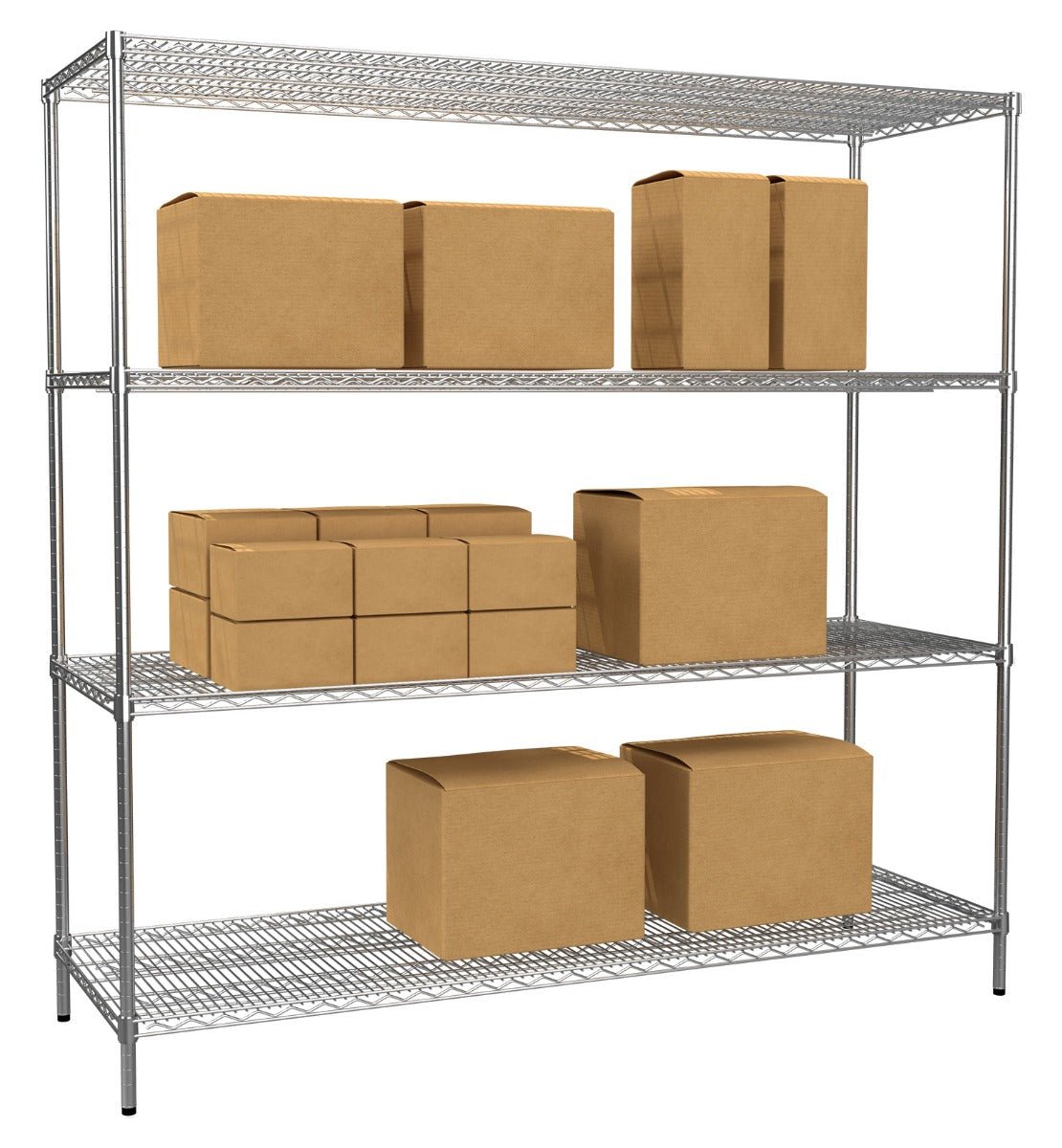
UDL stands for Uniformly Distributed Load. It's the maximum weight a single shelf level can safely bear when that weight spreads evenly across the entire surface. You'll see it quoted in kilograms on virtually every shelving product spec sheet, and it's the single most important number to check before you buy.
The key word here is 'uniformly'. A UDL of 250 kg doesn't mean you can stack 250 kg in one corner. It means the shelf handles 250 kg when the load sits evenly from front to back and side to side. Concentrate that same weight in one spot and you'll exceed the shelf's design limits, even though the total weight hasn't changed.
UDL ratings assume the shelf is correctly assembled, level and anchored where required. A shelf that's missing a clip, sitting on uneven ground or overhanging its supports won't perform to its stated rating. Always follow the manufacturer's assembly instructions to the letter.
Shelf Load, Bay Load and Point Load in Comparison
Three terms come up repeatedly in shelving specifications: shelf load, bay load and point load. Each one measures something different, and confusing them is one of the most common mistakes buyers make.
Shelf load
is the maximum weight a single shelf level can carry. This is your UDL figure. If a product lists a shelf load of 300 kg UDL, each individual level supports up to 300 kg spread evenly.
Bay load
is the maximum total weight the entire shelving unit can hold across all levels combined. A five-level unit with a 300 kg shelf load doesn't automatically give you a 1,500 kg bay load. The uprights, base plates and floor fixings all have their own limits. Always check the bay load separately: it's often lower than the sum of all shelf loads.
Point load
is the weight concentrated on a single small area of the shelf. This is where problems start. Heavy items like machinery parts, safes or dense boxes of fixings focus their weight on a very small footprint. That concentrated force can buckle a shelf deck long before you reach the stated UDL. If you're storing heavy, compact items, consider shelving with a solid steel deck that helps distribute the force more effectively.
Here's a practical way to think about it: shelf load tells you what each level handles, bay load tells you what the whole unit handles and point load tells you whether a single heavy item could cause localised damage. Check all three before you load up.
Beam Capacities for Longspan Shelving
Longspan shelving bridges wider spans than standard boltless units, making it ideal for bulky, hand-loaded items like boxes, containers and irregularly shaped stock. Beam capacity is the critical spec here: it tells you the maximum weight each pair of beams can support at a given span width.
Beam capacity drops as span width increases. The longer the unsupported distance, the greater the bending force on the beam. Always match the beam capacity to the actual span width you're using, not just the highest figure in the product listing. You'll find the correct capacity for each span width in the manufacturer's load tables.
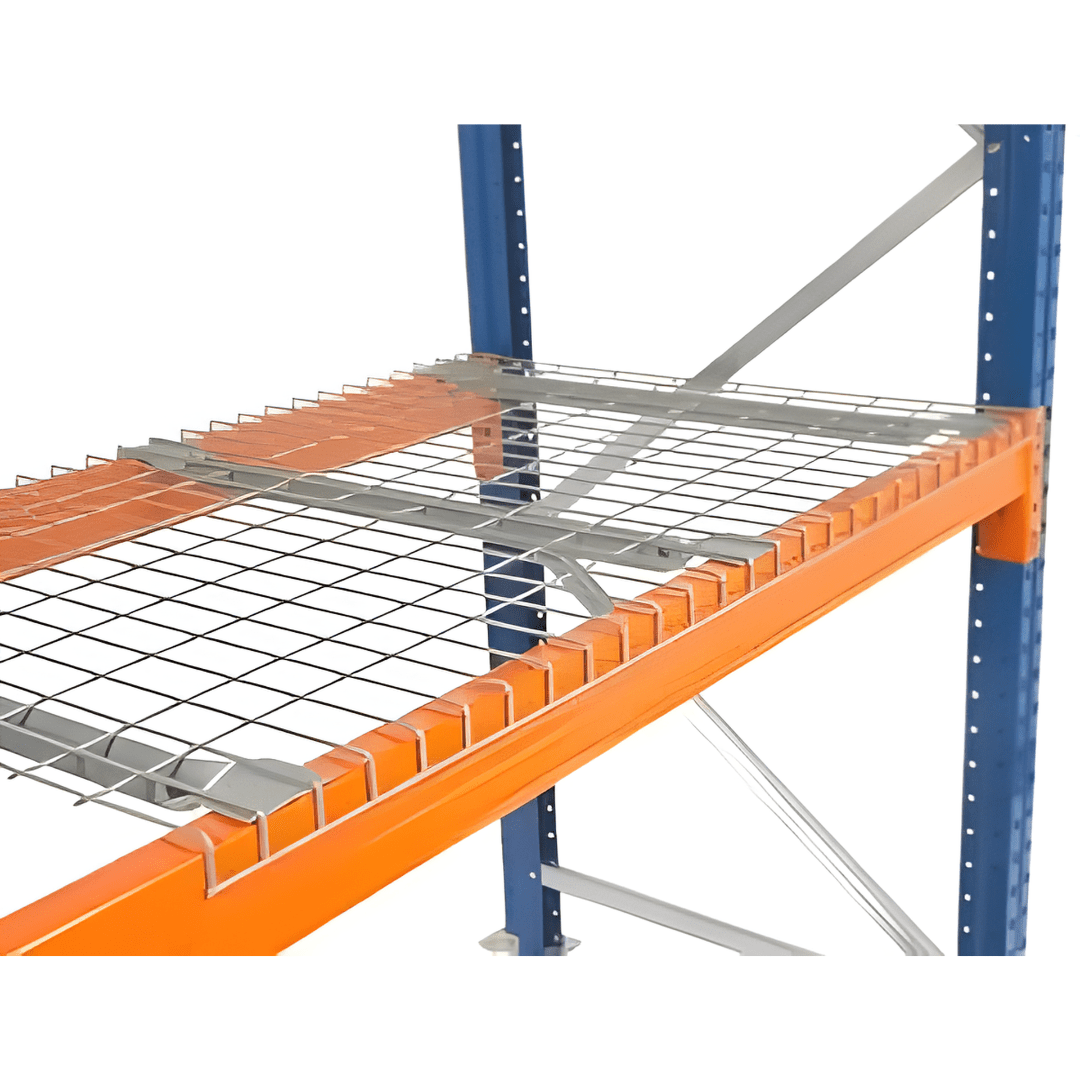
Deck type matters too. Chipboard, steel panels and wire mesh decks each distribute load differently. Chipboard offers a flat, continuous surface that spreads weight well across the beams. Steel panel decks handle heavier concentrated loads. Wire mesh decks allow air circulation and sprinkler penetration but focus load on the mesh contact points. Choose the deck type that matches your load profile.
For heavy or dense stock, consider adding intermediate supports or stepping down to a narrower span. It's often more cost-effective to use two narrower bays than to over-spec a single wide bay.
Applying Safety Factors Correctly
A safety factor is the margin between a shelf's tested failure point and its stated working load. Manufacturers test shelving beyond its working load, then apply safety factors to arrive at the published UDL. That built-in margin accounts for minor load imbalances, vibration, accidental impacts and material fatigue over time.
This doesn't mean you have hidden spare capacity to exploit. The safety factor exists to keep the shelving performing safely under real-world conditions, not laboratory conditions. Loading a shelf to its stated UDL is loading it to its safe working limit. Going beyond that eats into the margin designed to protect you.
EN 15512, the European standard for adjustable pallet racking design, and EN 15635, which covers application and maintenance, both set out requirements for how load ratings should be calculated, displayed and maintained. EN 15635 specifically requires that load notices are displayed at each bay so operatives can see the safe working limits at a glance. For commercial warehousing in Ireland, the HSA is the relevant regulatory body for workplace racking safety.
A few practical rules to follow:
- never exceed the stated UDL on any level
- never exceed the bay load across the whole unit
- inspect shelving regularly for damage that could reduce capacity
- replace any bent or cracked components immediately (a damaged upright or beam fundamentally changes the load-bearing performance of the entire bay)
Quick Calculation Steps
You don't need an engineering degree to work out whether your shelving can handle the load. Follow these five steps.
Weigh your heaviest item or pallet.
Use a floor scale, a pallet scale or the weight listed on the packaging. Don't estimate.
Calculate total weight per shelf level.
Multiply the individual item weight by the number of items you plan to store on that level. Add the weight of any containers, bins or pallets the items sit on.
Check the UDL rating.
Compare your total weight per level against the shelf's UDL. If the total exceeds the UDL, reduce the number of items on that level or upgrade to a higher-rated shelf.
Add up all levels and compare to bay load.
Total the weight across every shelf level in the unit. This combined figure must stay within the bay load limit.
Assess load distribution.
If any single item is particularly heavy relative to the shelf load and sits on a small footprint, spread the weight more evenly or use timber or steel decking to help distribute concentrated loads across a wider area.
Run through these steps every time you change what you're storing, not just when you first set up. Stock profiles change, and a shelving layout that worked for light packaging won't necessarily cope with heavier components.
Need help choosing the right shelving for your load requirements? Our team talks through load ratings, shelf specs and product options every day. Call us on 090 9673261 or browse the full shelving range and longspan shelving range on rackzone.ie. We're 100% Irish-owned, rated Excellent on Trustpilot and we deliver next business day nationwide on orders placed before 3pm.


