

 Value Shelving
  Chrome Shelving
 Warehouse Shelving
 Industrial Shelving
 Garage Shelving
 Metal Shelving
  Plastic Shelving
 HORECA
 Galvanised Shelving
 Industrial Workbench
  Value Workbench
  Modular Workstations
 Matting
  Metal Lockers & Benches
 Office
  Slatwall
  Cabinets
 Plastic Lockers
 Lean Products
 Mobile Steps
 Wall-Zone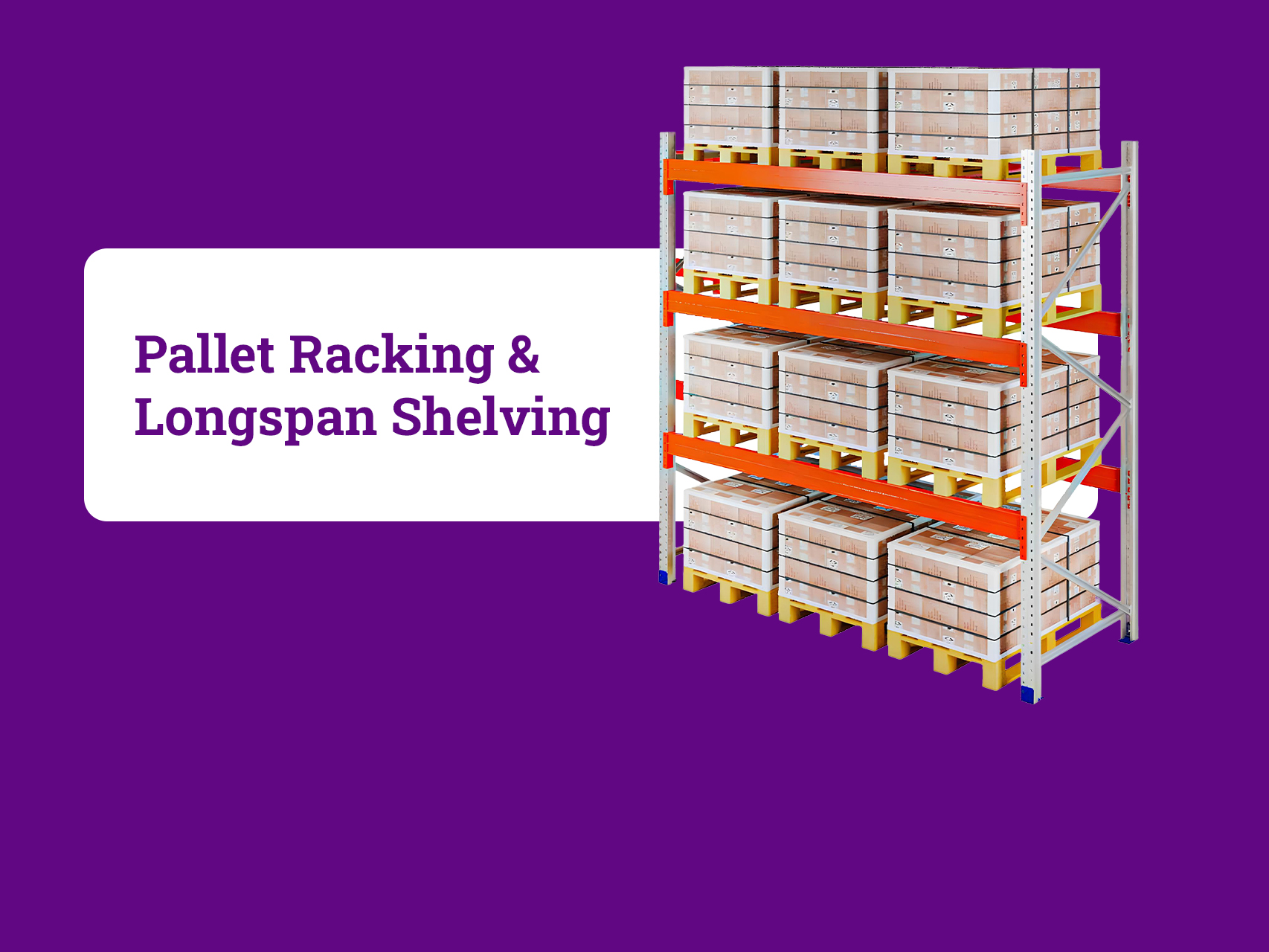
 Longspan Racking
  Cantilever Racking
 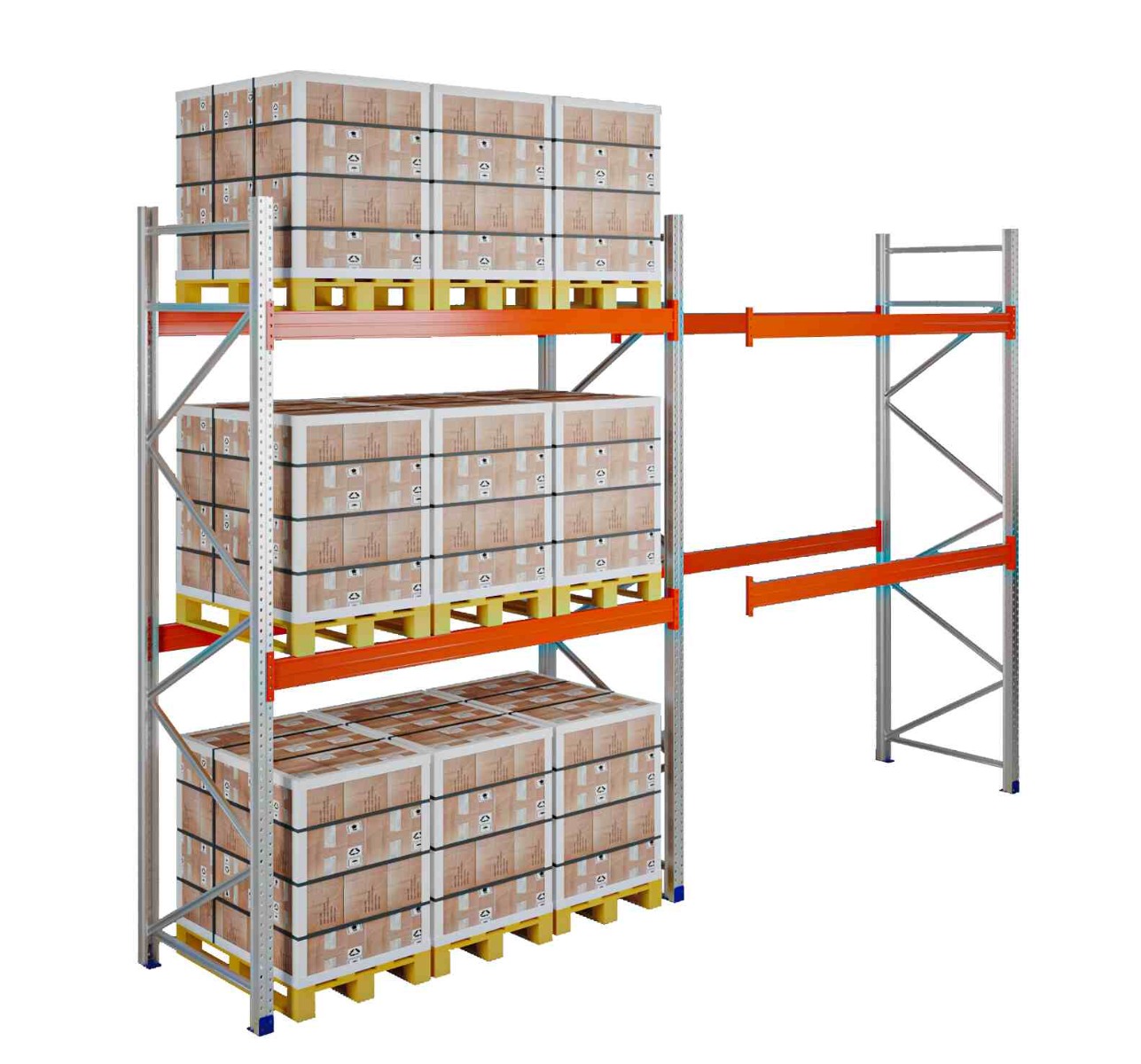 Industrial Pallet Racking
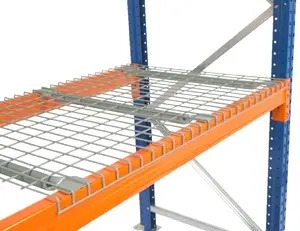 Wire Mesh Decking
 Tyre Racking
 Vertical Storage
 Racking Accessories
 Up & Over Gates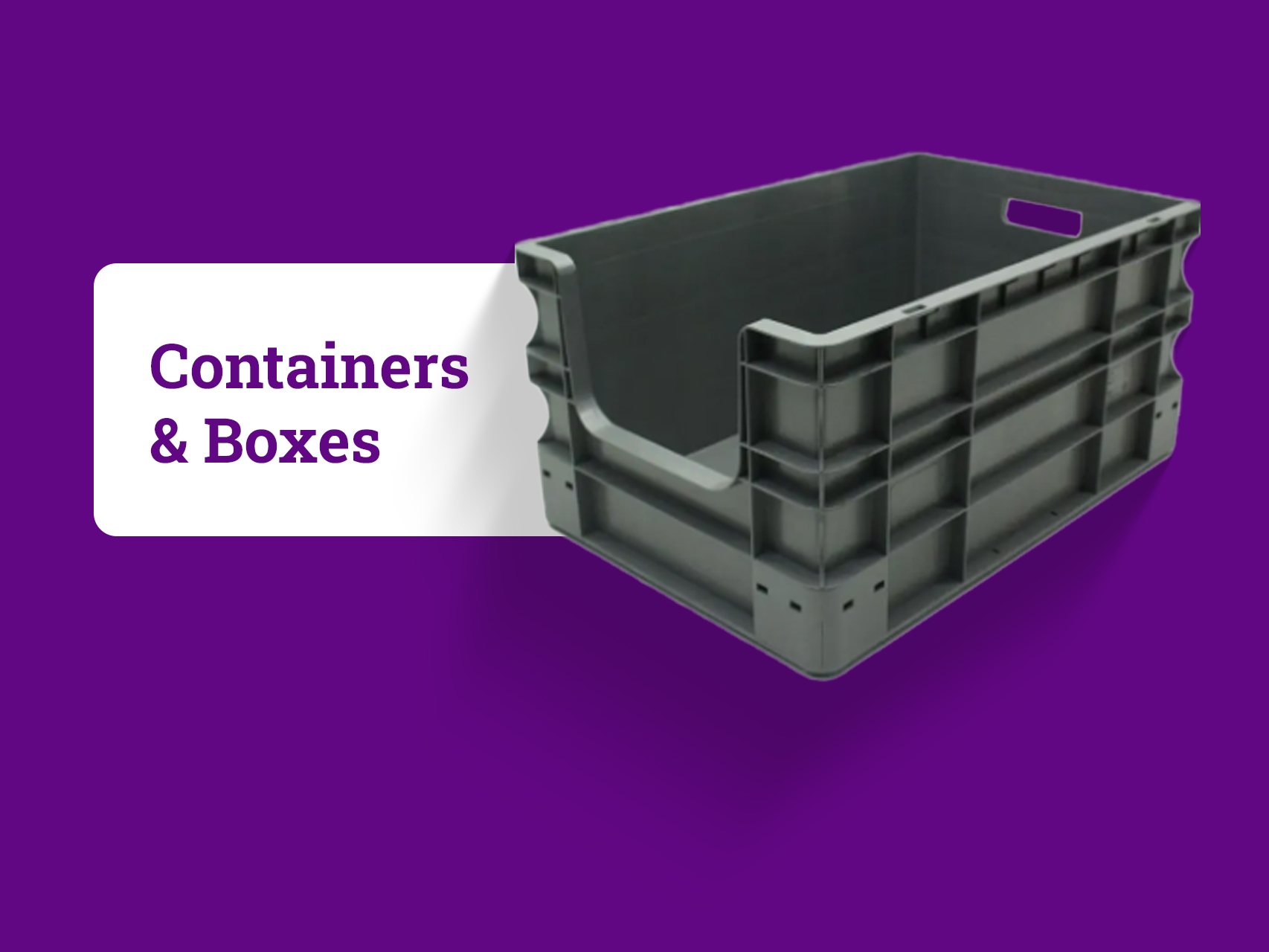
 Containers & Boxes
  Louvre Panels
 Crystal Box Systems
 Parts Bins
  Euro Containers
 Visible Storage Boxes
  Foldable Crates

 Shelf Bin
 Tool Organiser

 Waste Management
 Cabinets
 Chemical & CoSHH Cabinets
  Hex Lighting
 Packaging
 Platform Trolleys
  Hand Trucks
  Pallet Trucks
 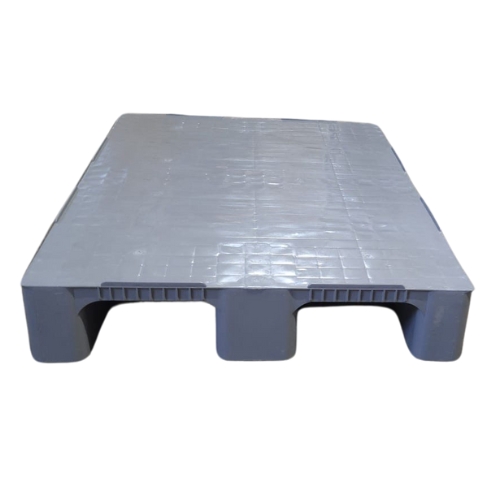 Plastic Pallets

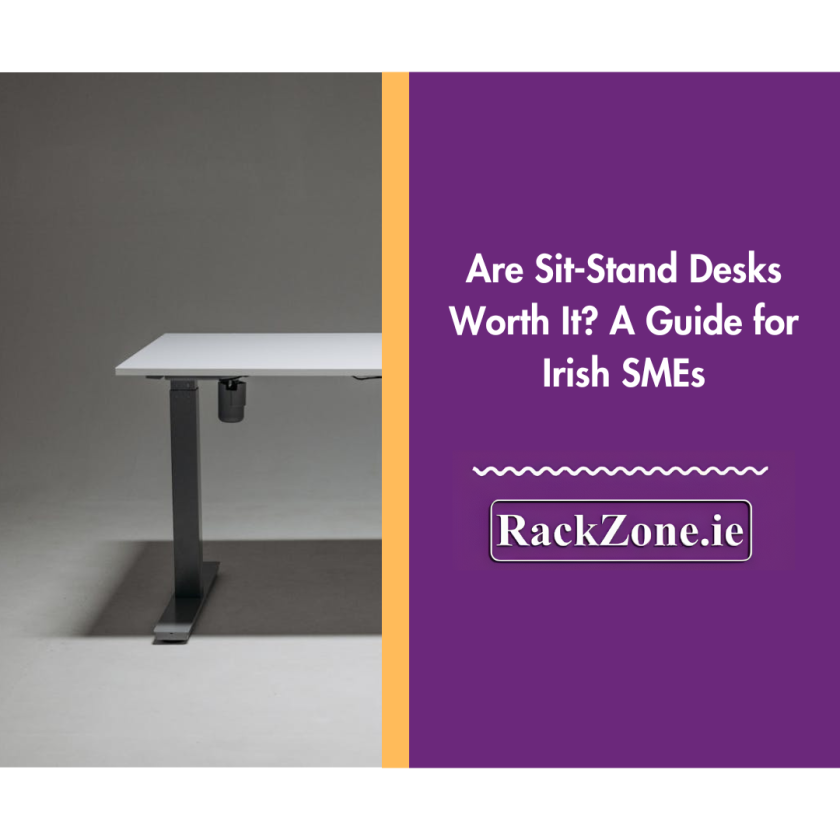
Are Sit-Stand Desks Worth It? A Guide for Irish SMEs
Estimated reading time: 7 minutes
Key Takeaways
- Sit-stand desks address workplace health concerns by enabling movement and posture variation throughout the workday.
- Investment returns depend on multiple factors including reduced absenteeism, productivity improvements and employee satisfaction.
- Strategic implementation requires careful planning, workspace assessment and phased deployment approaches.
- Irish SMEs must navigate specific regulatory requirements, space constraints and budget considerations.
- Pilot programmes and gradual adoption strategies help organisations validate benefits before full commitment.
Understanding the Sit-Stand Desk Revolution in Irish Workplaces
Sit-stand desks address workplace health concerns by enabling movement and posture variation throughout the workday. Extended sitting has become recognised as a significant workplace health issue. Research consistently links prolonged seated positions with musculoskeletal disorders, particularly lower back pain and neck strain.
The evolution towards height-adjustable workstations reflects growing awareness of workplace ergonomics. Modern sit-stand desks incorporate sophisticated engineering: electric motors for smooth adjustment, programmable height settings and integrated cable management systems. These features solve practical challenges that previously limited adoption.
For Irish SMEs operating in competitive markets, workspace decisions affect multiple business dimensions. Employee wellbeing connects directly to retention rates. Productivity links to physical comfort. And your office environment shapes company culture and recruitment appeal.
Financial Analysis: ROI and Cost Considerations for SMEs
Investment returns depend on multiple factors including reduced absenteeism, productivity improvements and employee satisfaction. Building a business case requires examining both quantifiable metrics and qualitative benefits.
Potential Cost Savings Include:
- Reduced sick leave related to musculoskeletal complaints.
- Lower workplace injury compensation claims.
- Decreased spending on ergonomic assessments and interventions.
- Extended furniture lifecycle through higher build quality.
Productivity Considerations:
- Improved energy levels, particularly during afternoon periods.
- Enhanced collaboration through informal standing discussions.
- Faster meeting completion when participants stand.
- Reduced fatigue from position variation.
Irish SMEs should explore available financial supports. Capital allowances apply to office equipment purchases. Various workplace wellness grants exist through Enterprise Ireland and local enterprise offices. Documentation of ergonomic investments strengthens these applications.
Consider total cost of ownership rather than initial purchase price. Quality sit-stand desks often outlast cheaper traditional alternatives. Factor in potential health-related cost savings and productivity gains when evaluating investment returns.
Implementation Strategies: From Planning to Execution
Strategic implementation requires careful planning, workspace assessment and phased deployment approaches. Successful adoption depends on methodical execution rather than wholesale furniture replacement.
Phase 1: Comprehensive Workspace Analysis
Begin by evaluating your current environment. Document existing desk configurations, electrical infrastructure and floor load capacities. Many Irish offices, particularly in converted period buildings, present unique structural considerations.
Engage facilities management to assess power distribution requirements. Sit-stand desks need accessible power points for height adjustment mechanisms. Cable management becomes crucial when desks move vertically. Address these infrastructure elements before procurement.
Phase 2: Controlled Pilot Programme
Implement limited trials with volunteer participants across different roles. Six to eight week pilot periods generate meaningful usage data. Track adjustment frequency, preferred heights and reported comfort levels.
Document both positive outcomes and challenges. Common issues include cable length limitations, monitor positioning at different heights and storage accessibility. Identifying these early prevents widespread problems.
Phase 3: Phased Deployment Strategy
Develop rollout plans based on pilot insights. Priority criteria might include:
- Employees with existing ergonomic concerns.
- High-value teams where productivity gains justify investment.
- Departments with space and infrastructure ready.
- Areas with strong pilot programme advocacy.
This graduated approach manages capital expenditure and allows continuous refinement.
Phase 4: Training and Support Systems
Create comprehensive usage guidance covering:
- Proper height settings for sitting and standing positions.
- Recommended transition frequencies.
- Complementary ergonomic practices.
- Troubleshooting common adjustment issues.
Partner with occupational health professionals for workshop delivery. External expertise adds credibility and ensures accurate health guidance.
Navigating Irish Workplace Regulations and Compliance
Irish SMEs must navigate specific regulatory requirements, space constraints and budget considerations. The Safety, Health and Welfare at Work Act 2005 establishes employer obligations regarding workplace ergonomics. EU workplace directives further define minimum standards for office environments.
Regulatory Alignment: Height-adjustable workstations help address regulatory requirements for accommodating diverse employee needs. The HSA provides guidance on workplace ergonomics that recognises the benefits of adjustable furniture. Demonstrating proactive ergonomic improvements may positively influence insurance assessments.
Space Optimisation Challenges: Irish commercial property commands premium rates, particularly in urban centres. Sit-stand desks require clearance for adjustment mechanisms and standing positions. However, modern designs often occupy smaller footprints than traditional executive desks.
Consider shared workspace strategies. Hot-desking arrangements with programmable height settings accommodate multiple users efficiently. This approach maximises expensive floor space.
Sustainability Considerations: Quality sit-stand desks align with environmental responsibility goals. Durable construction reduces replacement frequency. Many manufacturers now emphasise sustainable materials and production methods. Document these considerations for corporate responsibility reporting.
Overcoming Adoption Barriers: Change Management Excellence
Pilot programmes and gradual adoption strategies help organisations validate benefits before full commitment. Workplace change generates natural resistance. Understanding and addressing concerns facilitates smoother transitions.
Common Employee Concerns:
"Standing seems tiring." Effective use involves alternating positions, not continuous standing. Most ergonomic guidance suggests standing for portions of the day, with regular position changes. Users control their own sit-stand patterns.
"These changes never stick." Long-term adoption depends on proper implementation and ongoing support. Organisations that provide training, address concerns and maintain equipment see continued usage. Success requires commitment beyond initial installation.
"My work needs concentration." Position variation can support focus rather than disrupting it. Many knowledge workers report improved afternoon concentration when incorporating standing periods. Individual preferences vary, but flexibility allows personal optimisation.
Building Organisational Support: Create visible success stories through pilot participants. Establish standing meeting areas that normalise position variation. Encourage informal feedback and address concerns promptly.
Irish workplace culture values consultation. Use this collaborative approach to build consensus around workplace improvements. Employee input during planning phases increases adoption likelihood.
Selecting the Right Solutions for Your Organisation
Effective selection requires evaluating organisational needs, operational constraints and employee preferences. Consider multiple criteria beyond price.
Technical Specifications:
- Height range accommodating your workforce diversity.
- Weight capacity for equipment and personal items.
- Adjustment speed and noise levels.
- Stability at maximum height.
- Cable management integration.
Operational Requirements:
- Compatibility with existing furniture systems.
- Maintenance and warranty provisions.
- Supplier support and replacement part availability.
- Delivery and installation services.
At RackZone, we understand Irish SME requirements. We're Ireland's trusted partner for workspace solutions and storage organisation. Our sit-stand desks represent carefully selected solutions balancing quality, functionality and value.
Multidimensional Evaluation Framework
Organisational Readiness Assessment:
- Current workspace utilisation patterns.
- Employee demographic considerations.
- Technology integration requirements.
- Budget allocation possibilities.
- Change management capacity.
Implementation Success Factors:
- Leadership commitment and visible adoption.
- Clear communication of benefits and expectations.
- Adequate training and support resources.
- Continuous monitoring and adjustment.
- Integration with broader wellness initiatives.
The decision to implement sit-stand desks extends beyond furniture procurement. It encompasses employee wellbeing, operational efficiency and organisational culture. For Irish SMEs navigating evolving workplace expectations, these solutions offer pathways towards enhanced employee satisfaction and potential performance improvements. Success depends on thoughtful implementation, proper support systems and realistic expectations.
Contact RackZone to explore how our ergonomic office solutions can support your workplace transformation. Order before 3pm for next-day delivery throughout Ireland