

 Value Shelving
  Chrome Shelving
 Warehouse Shelving
 Industrial Shelving
 Garage Shelving
 Metal Shelving
  Plastic Shelving
 HORECA
 Galvanised Shelving
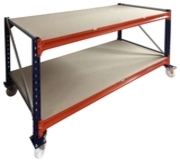 Industrial Workbench
  Value Workbench
 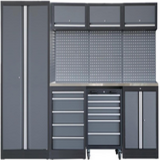 Modular Workstations
 Matting
  Metal Lockers & Benches
 Office
  Slatwall
  Cabinets
 Plastic Lockers
 Lean Products
 Mobile Steps
 Wall-Zone
 Longspan Racking
  Cantilever Racking
  Industrial Pallet Racking
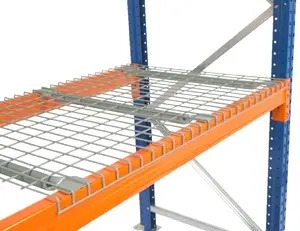 Wire Mesh Decking
 Tyre Racking
 Vertical Storage
 Racking Accessories
 Up & Over Gates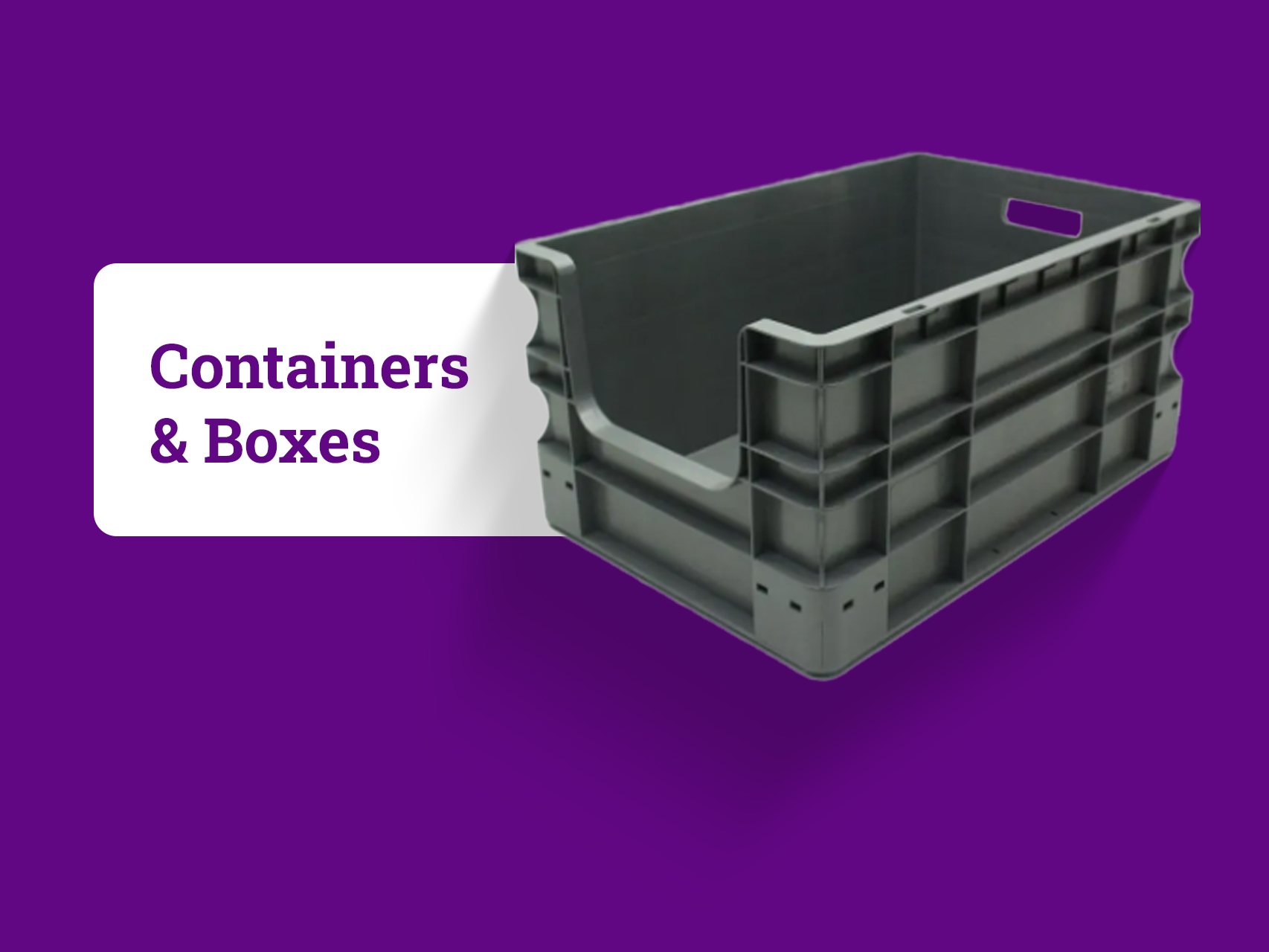
 Containers & Boxes
  Louvre Panels
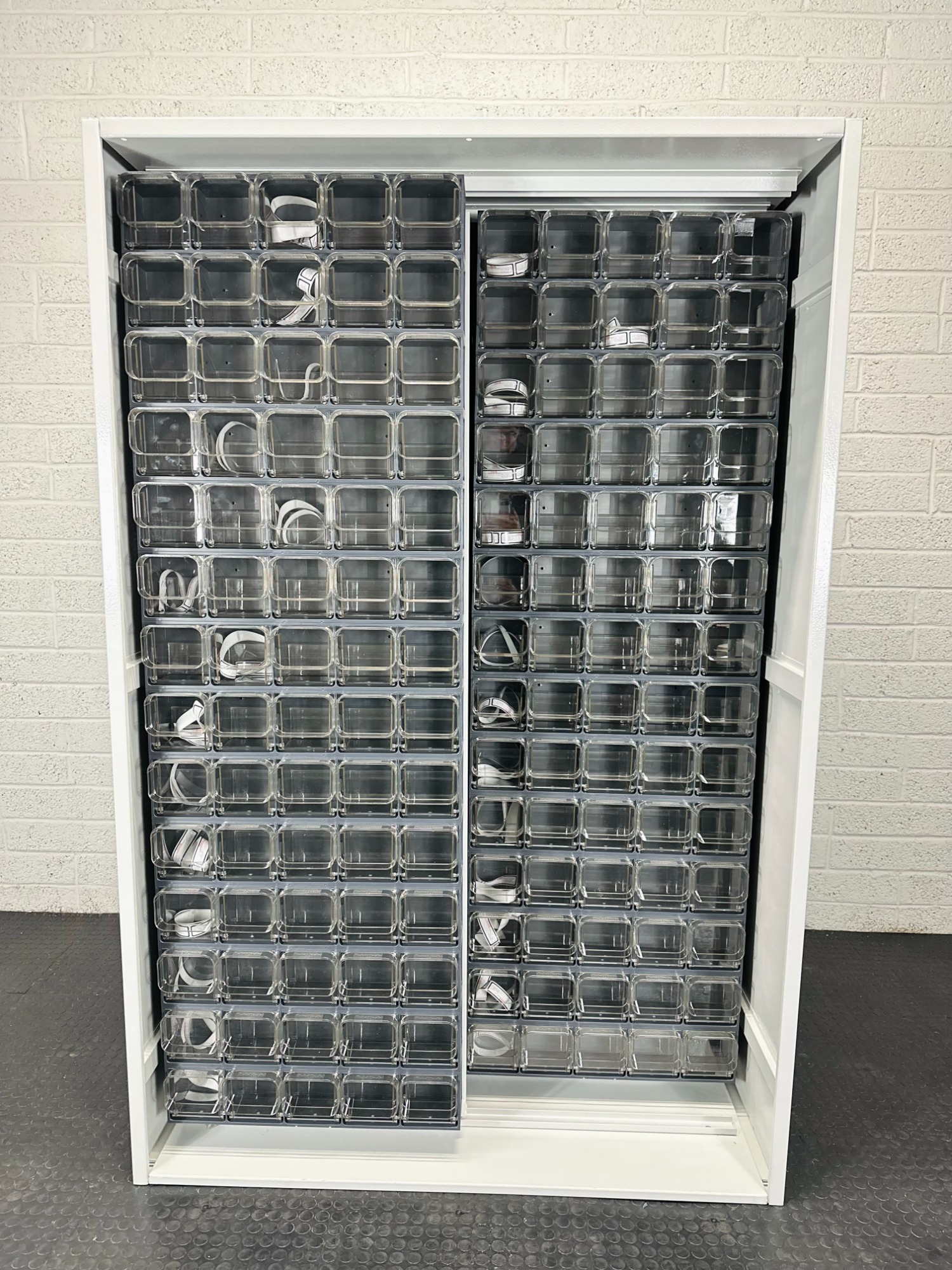 Crystal Box Systems
 Parts Bins
 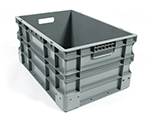 Euro Containers
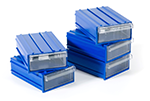 Visible Storage Boxes
 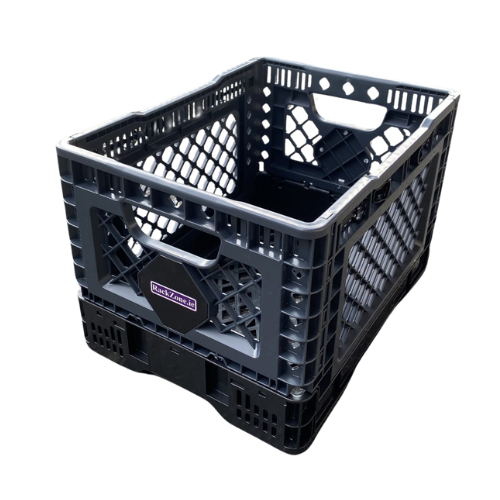 Foldable Crates
 Shelf Bin
 Tool Organiser

 Waste Management
 Cabinets
 Chemical & CoSHH Cabinets
  Hex Lighting
 Packaging
 Platform Trolleys
  Hand Trucks
  Pallet Trucks
  Plastic Pallets

Best Practices for Warehouse and Organisation Bin Storage Systems
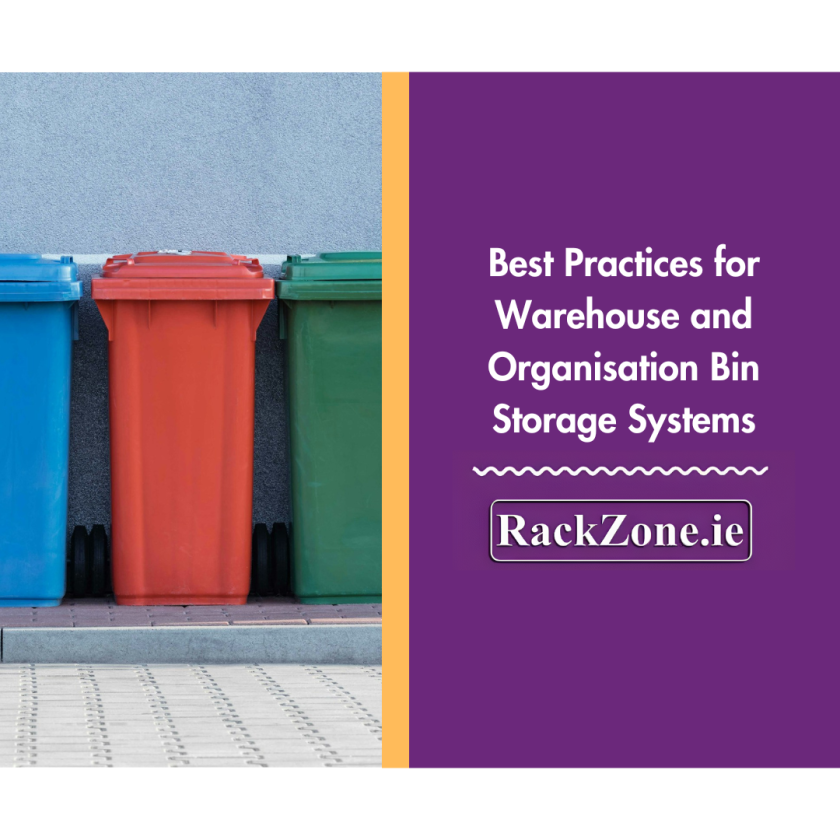
Effective bin storage systems form the backbone of successful warehouse operations. You need structured approaches that boost productivity, reduce retrieval times and create safer working environments. Modern facilities require intelligent storage solutions that adapt to changing inventory demands and operational pressures.
Strategic Bin Placement and Accessibility
Position your most frequently accessed bins at waist height and within easy reach of main walkways. Heavy items belong on lower shelves, reducing lifting strain and injury risk. Create clear sight lines throughout your facility so staff can quickly locate required items without obstruction.
Group related items together to minimise travel time between collections. Place complementary products in adjacent bins to streamline picking processes. Consider the flow patterns of your workers and arrange bins to support natural movement throughout the warehouse.
Size Selection and Capacity Planning
Match bin sizes to your inventory requirements rather than choosing uniform containers. Wheelie bins ranging from 100 to 1100 litres serve different purposes in warehouse environments. Large 770-litre and 1100-litre bins work well for bulk storage areas, providing substantial capacity for high-volume items.
Smaller 35-litre eco waste bins excel in picking areas where workers need quick access to small parts. Medium-sized options like 120-litre and 240-litre wheelie bins bridge the gap between compact storage and bulk capacity.
Colour Coding Systems for Efficiency
Implement colour-coded bin systems to eliminate confusion and accelerate identification processes. Yellow bins traditionally indicate caution areas or specific product categories. Green bins often designate recyclable materials or environmentally friendly products. Blue bins commonly mark standard inventory items or specific departments.
Create consistent colour schemes across your entire facility. Train staff thoroughly on your colour coding system and post reference charts at key locations. This visual organisation method reduces picking errors and speeds up warehouse operations significantly.
Mobility and Handling Considerations
Choose bins with appropriate mobility features for your specific applications. Wheelie bins provide excellent manoeuvrability for frequent repositioning tasks. Pedal kits and ring accessories enhance functionality for hands-free operation in busy environments.
Consider the weight of fully loaded bins when selecting mobility options. Lighter 80-litre bins offer good capacity without excessive weight, making them suitable for regular movement around the warehouse.
Maintenance and Durability Requirements
Select bins manufactured from high-quality materials that withstand industrial environments. Robust construction prevents cracking, warping and premature wear that disrupts operations. Regular cleaning schedules keep bins hygienic and maintain professional appearance standards.
Inspect bins regularly for damage or wear signs. Replace damaged units promptly to prevent safety hazards and operational disruptions. Quality bins from established suppliers provide better long-term value through extended service life and reliable performance.
Integration with Existing Systems
- Align your bin storage systems with current warehouse management software and picking technologies.
- Ensure bins accommodate barcode labels or RFID tags without interference.
- Design storage layouts that support automated inventory tracking systems.
- Consider future expansion needs when implementing bin storage solutions. Modular systems allow easy reconfiguration as business requirements change. Standardised bin sizes simplify inventory management and reduce complexity in procurement processes.
Safety and Ergonomic Factors
- Position bins to minimise bending, stretching and awkward lifting motions.
- Create adequate clearance around bins for safe access and emergency egress.
- Install proper lighting in all bin storage areas to prevent accidents and improve visibility.
- Secure bins properly to prevent tipping or shifting during operations.
- Use appropriate handling equipment for heavy or awkward items.
- Provide clear signage indicating weight limits and handling procedures for different bin types.
Why Choose RackZone for Bin Storage Systems
RackZone delivers quality bin storage solutions across Ireland with next-day delivery to major cities including Dublin, Belfast, Cork and Galway. Our trained team provides expert guidance on selecting appropriate bin sizes and configurations for your specific requirements.
We stock comprehensive ranges of wheelie bins, waste bins and accessories to meet diverse warehouse needs. Orders placed before 3pm reach you the following business day, minimising disruption to your operations. Our competitive pricing and exceptional service make us the preferred choice for businesses throughout the Republic of Ireland and Northern Ireland.
Frequently Asked Questions (FAQs)
What size bins work best for small parts storage?
Use 25-35 litre bins for small parts as they provide easy access and prevent over-stocking individual locations.
How often should I replace warehouse bins?
Replace bins when cracks appear, wheels become damaged or lids no longer seal properly. Quality bins typically last 5-10 years with proper care.
Can I use different coloured bins in the same area?
Yes, but establish clear guidelines for each colour to prevent confusion. Consistent colour coding improves efficiency and reduces errors.
What accessories improve bin functionality?
Pedal kits enable hands-free operation, ring kits secure bin liners and identification labels speed up item location.
How do I calculate the right number of bins needed?
Assess your inventory volume, turnover rates and space constraints. Allow 20% extra capacity for growth and operational flexibility.