

 Value Shelving
  Chrome Shelving
 Warehouse Shelving
 Industrial Shelving
 Garage Shelving
 Metal Shelving
  Plastic Shelving
 HORECA
 Galvanised Shelving
 Industrial Workbench
  Value Workbench
  Modular Workstations
 Matting
  Metal Lockers & Benches
 Office
  Slatwall
  Cabinets
 Plastic Lockers
 Lean Products
 Mobile Steps
 Wall-Zone
 Longspan Racking
  Cantilever Racking
 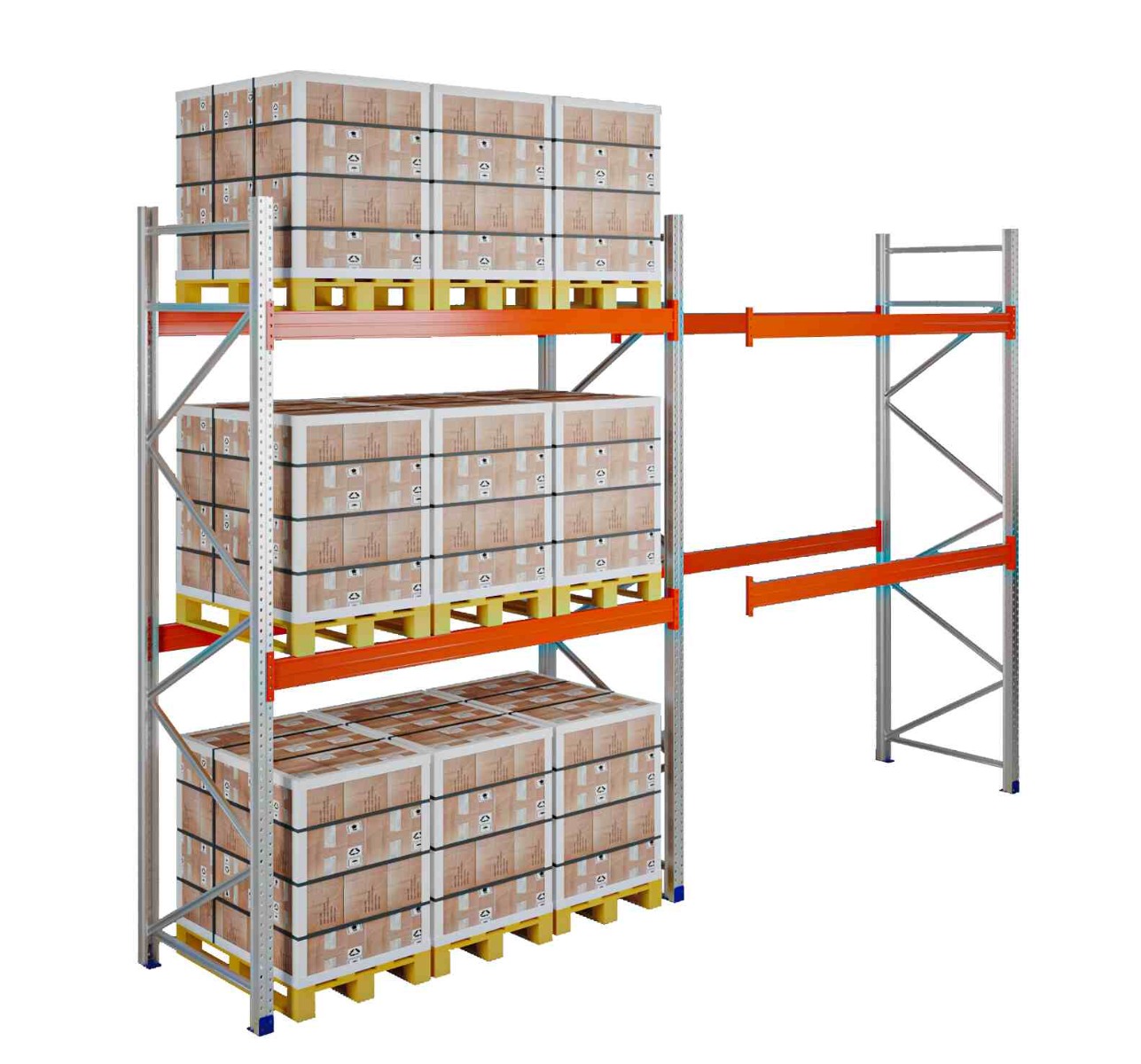 Industrial Pallet Racking
 Wire Mesh Decking
 Tyre Racking
 Vertical Storage
 Racking Accessories
 Up & Over Gates
 Containers & Boxes
  Louvre Panels
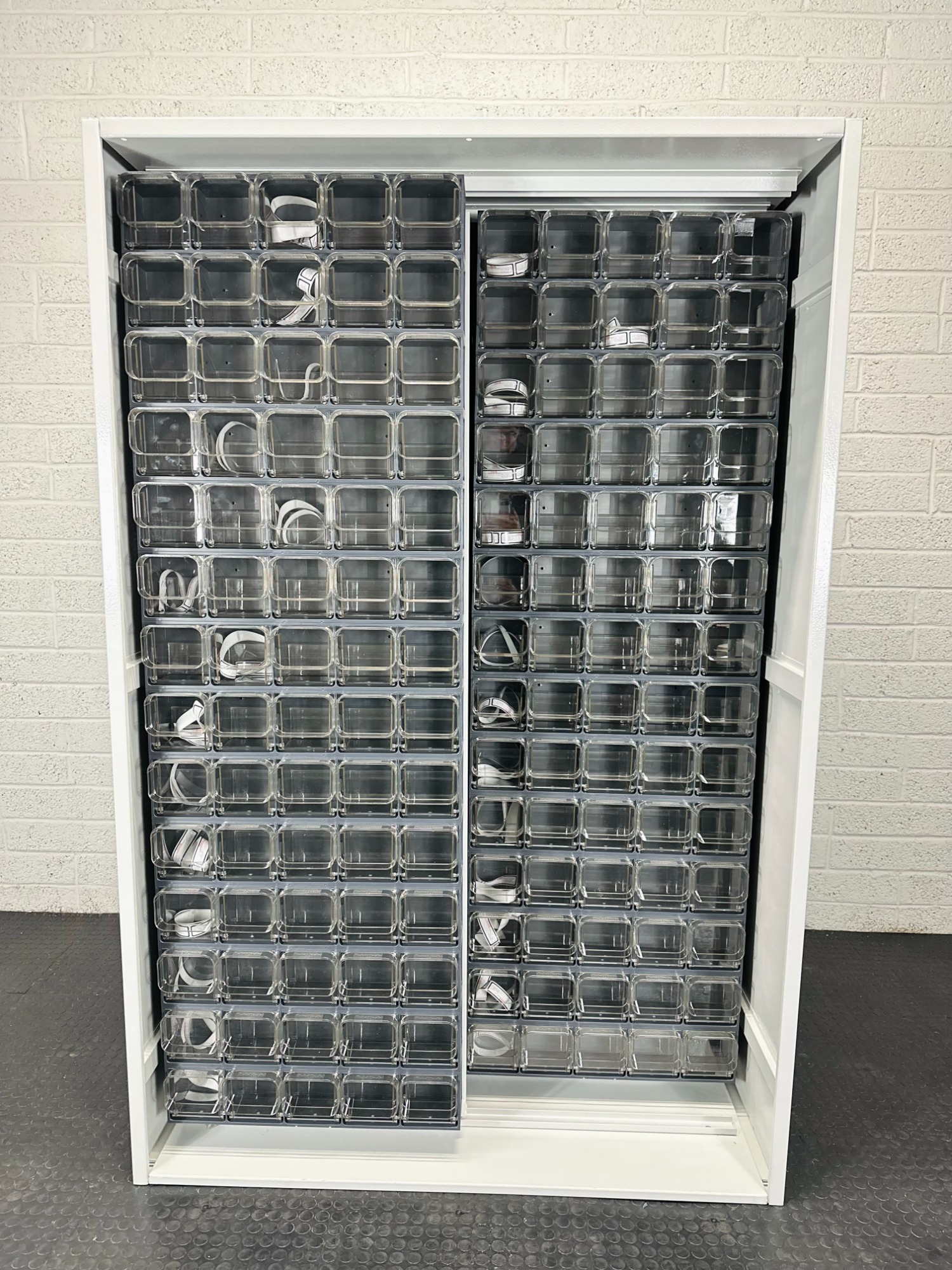 Crystal Box Systems
 Parts Bins
  Euro Containers
 Visible Storage Boxes
  Foldable Crates
 Shelf Bin
 Tool Organiser

 Waste Management
 Cabinets
 Chemical & CoSHH Cabinets
  Hex Lighting
 Packaging
 Platform Trolleys
  Hand Trucks
  Pallet Trucks
  Plastic Pallets

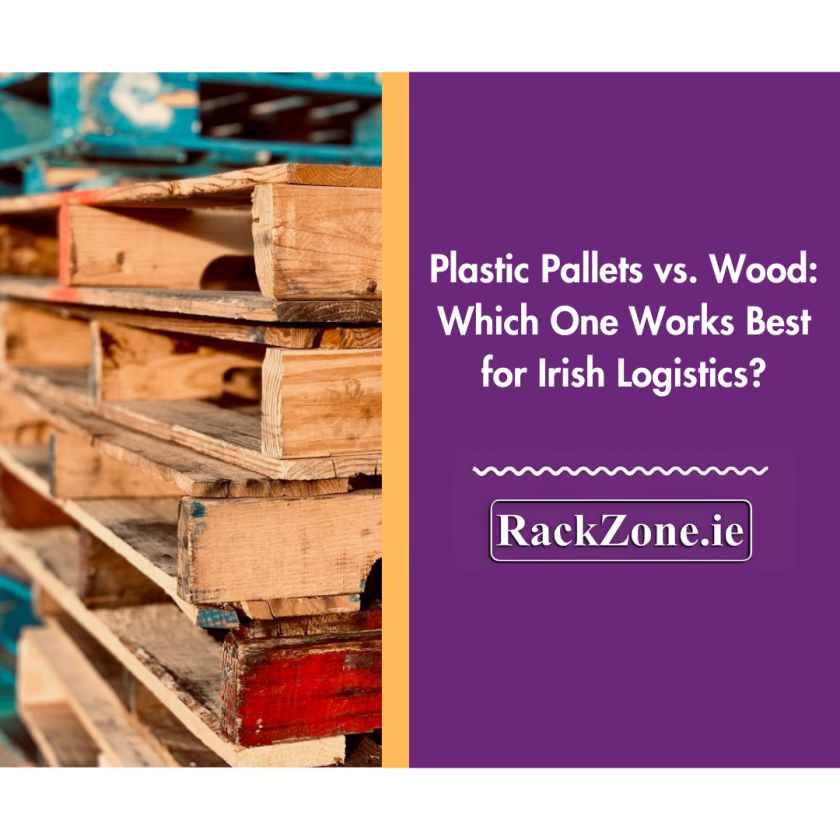
Plastic Pallets vs. Wood: Which One Works Best for Irish Logistics?
Estimated reading time: 7 minutes
Key Takeaways:
- Plastic pallets offer superior durability and weather resistance for Ireland's climate.
- Initial investment differs significantly between materials.
- Hygiene standards and regulations favour plastic pallets for regulated sectors.
- Environmental considerations involve trade-offs between recyclability and longevity.
- Weight differences affect handling efficiency and transportation costs.
- International shipping standards influence pallet selection for exporters.
- Total cost of ownership extends beyond initial purchase price.
Strategic Material Handling Framework for Irish Supply Chains
The selection of pallet materials represents a fundamental operational decision affecting warehouse efficiency, transportation costs and regulatory compliance. For Irish businesses managing complex supply chains from local distribution to international exports, the choice between plastic pallets and wooden alternatives requires systematic evaluation of multiple operational factors.
Ireland's position as an island nation and European logistics hub creates distinct material handling requirements. This analysis examines the operational, economic and regulatory dimensions essential for informed pallet procurement decisions within the Irish logistics landscape.
Durability Assessment: Performance Under Irish Environmental Conditions
Environmental Resistance Characteristics
Ireland's maritime climate presents specific challenges for pallet materials. Persistent moisture, temperature fluctuations and coastal salt exposure affect material performance differently. Plastic pallets demonstrate resistance to these environmental factors through their non-porous composition.
Wooden pallets absorb moisture, which can lead to:
- Increased weight when saturated.
- Potential for fungal and bacterial growth.
- Structural changes including warping and splintering.
- Compliance challenges for regulated industries.
Plastic pallets maintain dimensional stability regardless of environmental exposure. This consistency proves valuable for operations using automated handling systems where predictable pallet dimensions reduce system errors.
Service Life Expectations
Industry experience suggests general lifespan patterns:
- Plastic pallets typically last multiple years of regular use.
- Wooden pallets generally require replacement more frequently.
- Usage intensity and handling conditions significantly affect longevity.
- Repair requirements vary considerably between materials.
These durability differences translate into replacement cycles that affect operational planning and budgeting. High-velocity supply chains characteristic of retail and e-commerce sectors particularly benefit from extended pallet lifespans.
Economic Analysis: Comprehensive Cost Considerations
Capital Investment Patterns
Initial acquisition costs show significant variation between materials. Wooden pallets typically require lower upfront investment compared to plastic alternatives. However, total cost evaluation must consider multiple factors beyond purchase price.
Illustrative Cost Scenario
For a hypothetical mid-sized logistics operation, initial investments might compare as:
- Wooden pallet fleet: Lower initial capital requirement.
- Plastic pallet fleet: Higher initial investment.
- Multi-year replacement cycles affect total expenditure.
- Operational costs extend beyond purchase considerations.
Note: Actual costs vary based on supplier, quality specifications and volume requirements.
Operational Cost Factors
Several indirect costs influence the economic equation:
- Product protection during transport and storage.
- Handling efficiency and labour requirements.
- Storage density when pallets aren't in use.
- Cleaning and maintenance requirements.
- Transportation weight affecting fuel consumption.
Each factor contributes to total operational expenditure. Organisations should conduct facility-specific analysis to determine actual cost implications.
Regulatory Compliance and Industry Standards
Pharmaceutical and Food Sector Requirements
Ireland's pharmaceutical and food processing industries operate under stringent hygiene regulations. These sectors require materials that support comprehensive sanitisation protocols and prevent contamination risks.
Plastic pallets support compliance through:
- Complete washability at elevated temperatures.
- Chemical resistance for sanitisation procedures.
- Smooth surfaces preventing bacterial harbourage.
- Potential for RFID integration enabling traceability.
- Colour-coding options for zone management.
HACCP (Hazard Analysis and Critical Control Points) systems particularly benefit from plastic pallets' cleanability characteristics.
International Phytosanitary Standards
ISPM-15 (International Standards for Phytosanitary Measures No. 15) regulations govern international movement of solid wood packaging materials. These requirements mandate heat treatment or fumigation for wooden pallets crossing international borders. Plastic pallets exempt from ISPM-15 eliminate this compliance requirement.
This consideration proves significant for Irish exporters managing international supply chains. Brexit-related changes have added complexity to UK-Ireland trade, making ISPM-15 compliance increasingly relevant.
Environmental Impact Evaluation
Sustainability Frameworks
Environmental assessment reveals complex trade-offs.
Wooden Pallet Characteristics:
- Renewable raw material source.
- Carbon storage during the tree growth phase.
- Biodegradability at end-of-life.
- Variable energy requirements for treatment.
Plastic Pallet Characteristics:
- Extended operational lifespan reducing replacement frequency.
- Recyclability into new products.
- No chemical treatment requirements.
- Consistent material properties throughout lifecycle.
Ireland's environmental policies increasingly emphasise circular economy principles. Both materials present advantages and challenges within sustainability frameworks.
Waste Management Considerations
End-of-life management differs between materials. Damaged wooden pallets may enter general waste streams if repair isn't economical. Plastic pallets typically retain recycling value even when structurally compromised. Irish waste management infrastructure continues developing capacity for both material streams.
Operational Performance Metrics
Manual Handling Implications
Weight differences between materials affect handling operations:
- Standard wooden pallets vary in weight based on wood type and moisture content.
- Equivalent plastic pallets typically weigh less than wooden counterparts.
- Weight reduction benefits manual handling operations.
- Lighter pallets contribute to transportation efficiency.
These differences influence worker safety, productivity and compliance with manual handling regulations.
Automated System Integration
Modern warehouse automation requires consistent pallet dimensions and properties. Plastic pallets' dimensional stability supports automated handling systems through:
- Predictable dimensions reducing system errors.
- Consistent surface properties.
- Absence of protruding fasteners.
- Compatibility with RFID and sensing technologies.
Facilities implementing automation report operational improvements when using dimensionally consistent pallets, though specific gains vary by system design.
Irish Market Considerations
Trade Dynamics
Post-Brexit trading arrangements affect pallet selection for businesses maintaining UK market presence. Documentation requirements and phytosanitary controls add complexity to wooden pallet movements across borders. These considerations particularly affect Northern Ireland operations navigating dual regulatory frameworks.
Seasonal Demand Patterns
Ireland's agricultural and retail sectors experience seasonal demand fluctuations. Pallet durability affects inventory management during peak periods. Extended lifespan pallets reduce emergency procurement requirements during high-demand seasons.
Decision Framework Development
Optimal pallet selection requires evaluation of:
- Industry-specific regulatory requirements.
- Export market composition and requirements.
- Automation and technology adoption plans.
- Environmental and sustainability commitments.
- Total cost of ownership projections.
- Workforce safety and handling considerations.
- Storage and transportation infrastructure.
Different sectors reach different conclusions based on operational priorities. Pharmaceutical and food processors often prioritise hygiene compliance. Construction materials distributors may emphasise cost efficiency. Export-focused businesses consider international standards compliance.
Implementing Strategic Material Handling Solutions
Ready to evaluate your pallet strategy? We provide comprehensive material handling solutions tailored to Irish logistics requirements. Our team offers guidance on transitioning to optimised pallet systems that enhance supply chain performance. Contact us to explore how strategic pallet selection can improve your operational efficiency and support long-term business objectives.