


 Value Shelving
  Chrome Shelving
 Warehouse Shelving
 Industrial Shelving
 Garage Shelving
 Metal Shelving
  Plastic Shelving
 HORECA
 Galvanised Shelving
 Industrial Workbench
  Value Workbench
 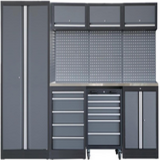 Modular Workstations
 Matting
  Metal Lockers & Benches
 Office
  Slatwall
  Cabinets
 Plastic Lockers
 Lean Products
 Mobile Steps
 Wall-Zone
 Longspan Racking
  Cantilever Racking
 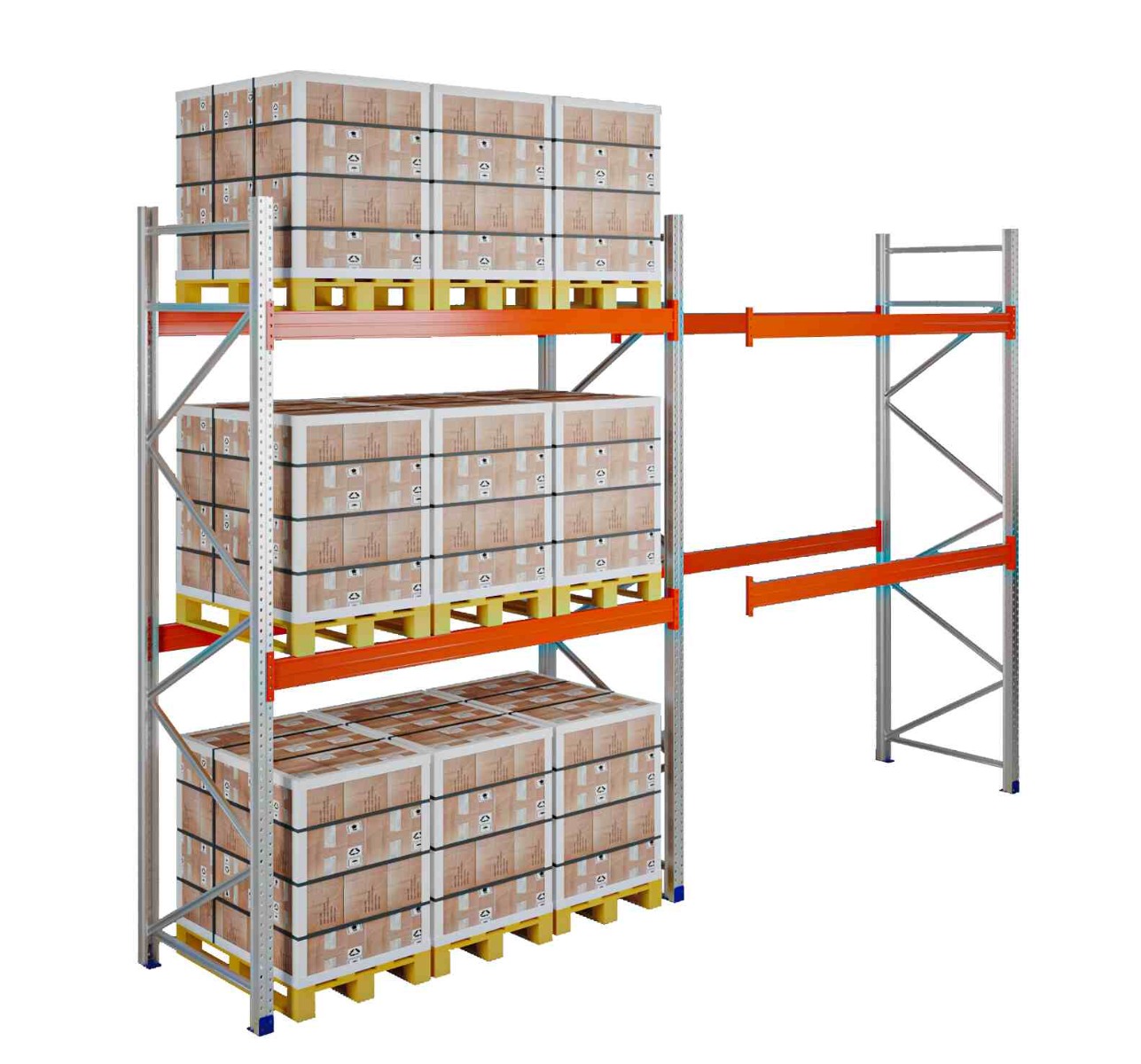 Industrial Pallet Racking
 Wire Mesh Decking
 Tyre Racking
 Vertical Storage
 Racking Accessories
 Up & Over Gates
 Containers & Boxes
  Louvre Panels
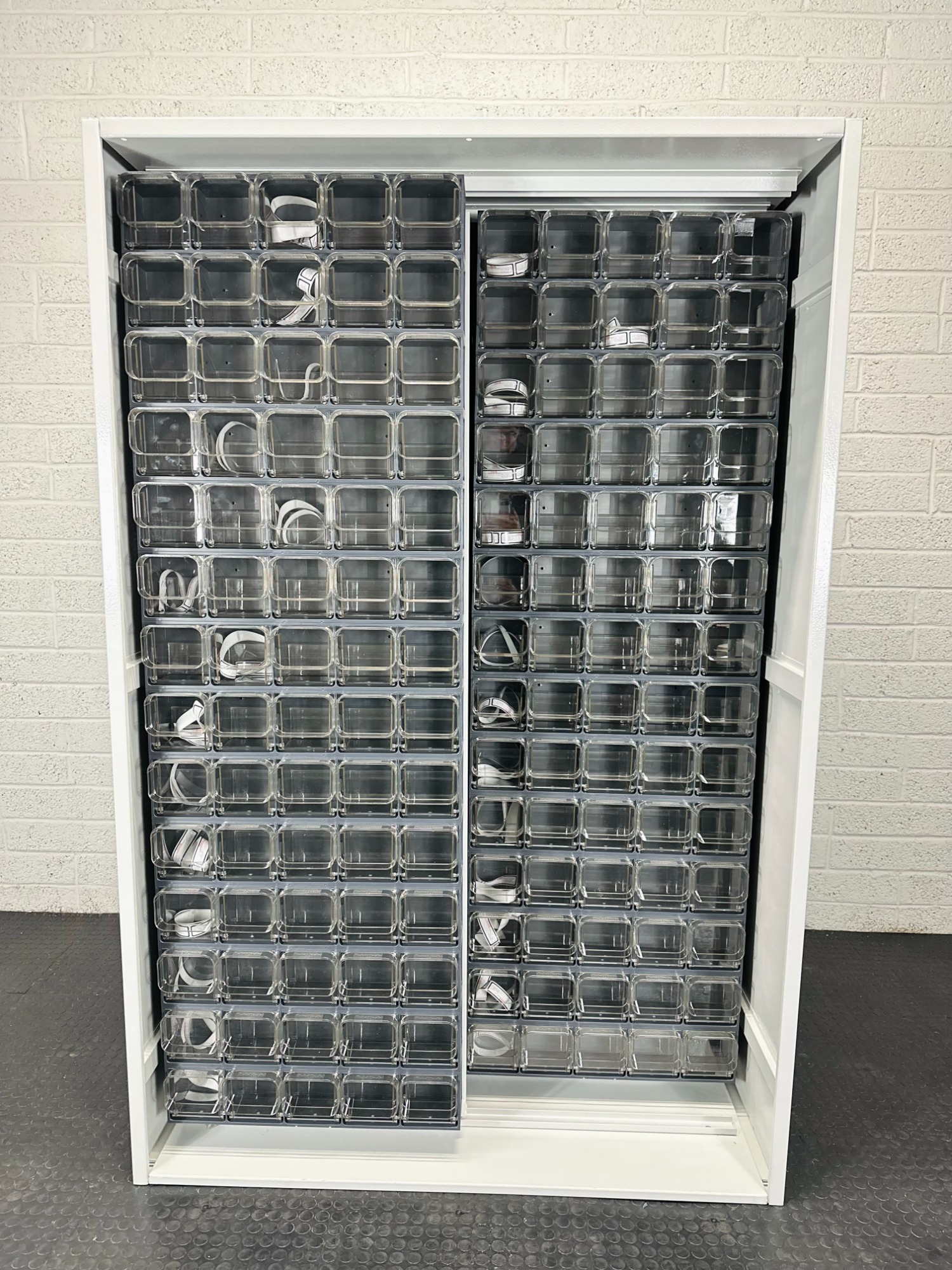 Crystal Box Systems
 Parts Bins
  Euro Containers
 Visible Storage Boxes
  Foldable Crates
 Shelf Bin
 Tool Organiser

 Waste Management
 Cabinets
 Chemical & CoSHH Cabinets
  Hex Lighting
 Packaging
 Platform Trolleys
  Hand Trucks
  Pallet Trucks
  Plastic Pallets

Waste Management Regulations in Ireland in 2025
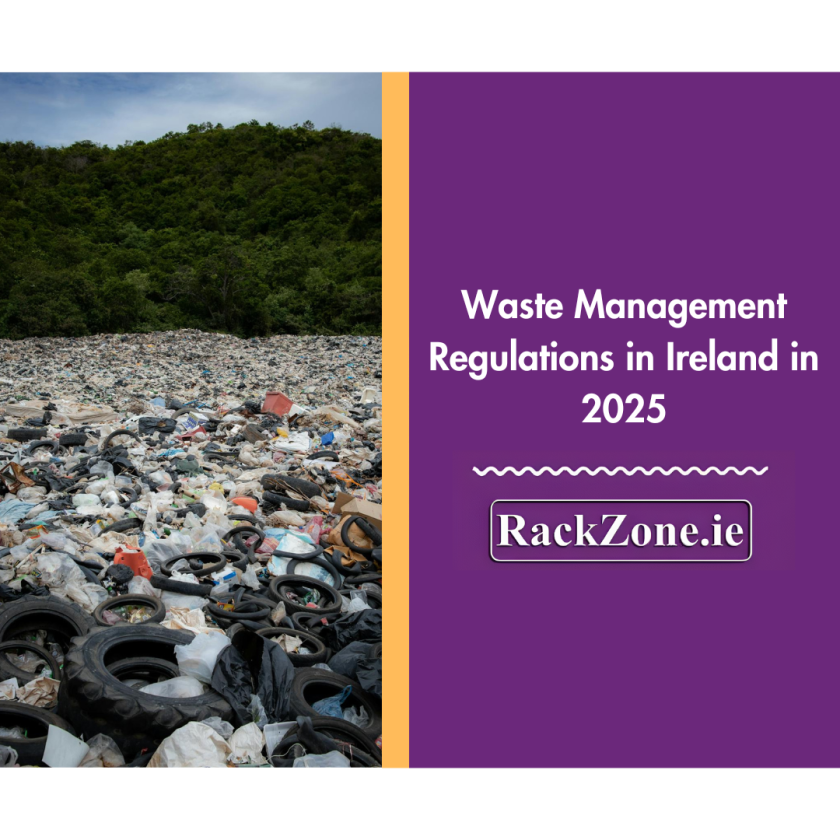
Ireland faces substantial challenges in meeting EU waste management targets as we move through 2025. The country must achieve recycling rates of 60% by 2030 and 65% by 2035 for municipal solid waste under the EU Waste Framework Directive.
The regulatory framework governing waste management in Ireland operates through multiple layers of legislation. The Waste Management Acts provide for a general duty on everyone not to hold, transport, recover or dispose of waste in a manner that causes or is likely to cause environmental pollution. This fundamental principle underpins all waste management activities across the country.
Enhanced Commercial Waste Regulations 2025
The most significant regulatory change affecting businesses concerns the Enhanced Commercial Waste Regulations that took effect in July 2023. All waste collection companies must provide residual, mixed dry recyclable and biowaste bins to all their commercial customers. This mandatory three-bin system represents a fundamental shift in commercial waste management practices.
Under these regulations, waste collection companies must ensure all business customers receive pricing plans where recyclable and bio-waste collection costs less than municipal waste disposal. A study published by the Environmental Protection Agency (EPA) in 2018 found that 70% of the contents of the average commercial waste bin could be diverted to recycling, highlighting the enormous potential for improvement.
The regulations mandate that all collected waste be weighed, and detailed weight information must be communicated to customers. This transparency enables businesses to monitor their waste generation patterns and identify opportunities for reduction.
Recycling Targets and Compliance Requirements
Turning waste into resources is key to transitioning to a cleaner, climate-neutral and circular economy. Ireland's ambitious recycling targets reflect this principle, though achievement requires sustained effort across all sectors.
The Government of Ireland's Department of the Environment, Climate and Communications states that ‘amendments to the Waste Framework Directive require that recycling rates of 55%, 60% and 65% of municipal waste (by weight) must be achieved by 2025, 2030 and 2035 respectively’. This measure serves as ‘a tool to help drive behavioural change in households and commercial enterprises by encouraging higher value waste management practices by moving material management up the waste hierarchy away from waste disposal and recovery to more recycling and re-use’.
Waste Recovery Levy Implementation
Clare County Council's National Waste Policy document indicates significant cost implications for waste management. They state they ‘will introduce a Waste Recovery Levy of €5 per tonne’ which ‘will apply to recovery operations at Municipal Solid Waste (MSW) Landfills, Waste to Energy Plants and Co-Incineration Plants and the Export of MSW’.
This levy creates financial incentives for proper waste segregation and recycling while generating revenue for environmental initiatives.
Enforcement and Compliance Measures
Any households or businesses found dumping waste illegally or failing to comply with the waste management regulations risk hefty fines and legal prosecution. The enforcement framework operates through multiple agencies, with the Environmental Protection Agency taking the lead role for certain categories of waste.
The EPA has various responsibilities regarding implementing the WEEE, Batteries and Tyres Regulations in Ireland – principally, a lead role in enforcement in this area. Local authorities enforce household and commercial waste collection regulations.
Storage Solutions and Equipment Requirements
Effective compliance with waste management regulations requires appropriate storage infrastructure. Businesses need reliable containment systems that facilitate proper segregation and maintain hygiene standards and operational efficiency.
RackZone provides waste management storage solutions designed to support regulatory compliance. Our range includes various bin sizes to accommodate different business requirements:
- 80-litre yellow bins for smaller commercial operations
- 660-litre yellow bins for larger volume requirements
- 35-litre blue eco bins for recyclable materials
- 25-litre yellow eco bins for specific waste streams
- 240-litre yellow bins for medium-scale operations
These storage solutions enable businesses to implement the three-bin system required under current regulations while maintaining operational efficiency.
Business Benefits of Regulatory Compliance
Proper waste segregation delivers measurable financial benefits. Proper material segregation will lower waste management costs for businesses in Ireland and substantially increase the amount of recyclable material that can be collected. Companies implementing effective waste management systems typically see reduced collection costs as recyclable materials command lower disposal fees than general waste.
Additionally, regulatory compliance protects businesses from enforcement action whilst supporting Ireland's environmental objectives. Introducing incentivised waste collection in the residential sector has proven very successful, indicating similar potential for commercial adoption.
Next Steps for Businesses
You should assess your current waste management practices against regulatory requirements and implement necessary changes promptly. This includes establishing three-bin segregation systems, training staff on proper waste categorisation and sourcing appropriate storage equipment.
RackZone supports businesses throughout Ireland with delivery to all major cities and towns, including Dublin, Belfast, Limerick, Galway and Cork. Orders placed before 3pm receive next business day delivery, enabling rapid implementation of compliance measures.
Our trained team provides telephone support to help you select appropriate storage solutions for your requirements. Whether you need individual bins or complete waste management systems, we offer competitive pricing with exceptional service standards.