


Most storage spaces aren't designed. They accumulate. A shelf goes here, a pallet there and within weeks you can't reach half your stock without shifting everything else first. That's not a storage room. It's a very expensive obstacle course. Good storage room planning changes that from day one.
This guide gives you a practical framework, one that treats your storage room the way an engineer treats a production floor: every square metre has a job, every route has a purpose and every product has a reason to be exactly where it is. Whether you're fitting out a commercial warehouse or finally sorting a home utility room, what follows will save you time, space and more than a few headaches.
What should be in a storage room?
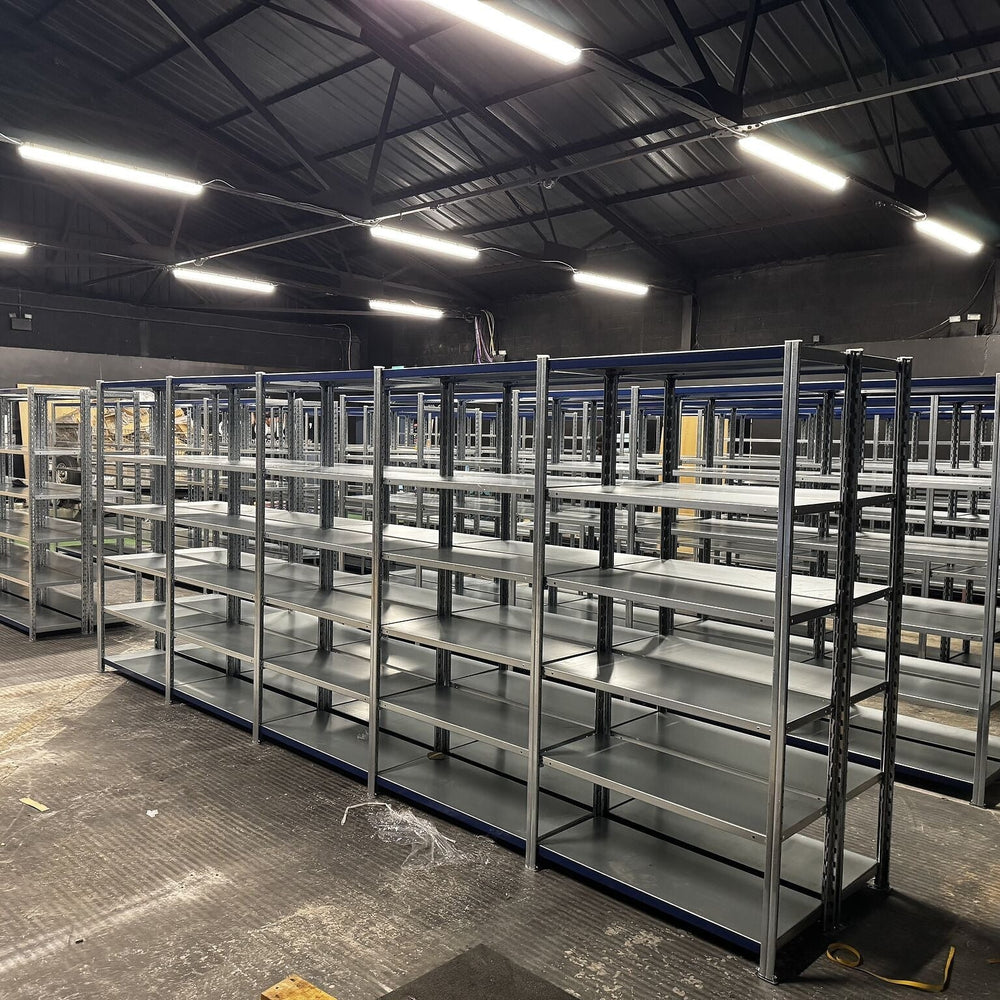
How to take a storage inventory before you plan
Before anything goes on a shelf, you need to know what you're storing. That sounds obvious. It isn't practised nearly enough. Most people buy shelving first and work out the details later, then wonder why nothing sits right and half the space ends up unusable.
Write it down. List every category of item that needs to go in. For each one, note the size, the weight, how often you'll need to access it and whether it has any special requirements. Chemical containment, temperature sensitivity and restricted access are all factors that shape your product choices long before you start measuring walls.
Matching storage products to what you actually store
Once you've got your inventory, you can match the right product to each need. Here's a practical framework to get you started.
| Storage need | Recommended product | Why it works |
|---|---|---|
| Regularly accessed, varied stock | Adjustable industrial shelving | Shelf heights match your actual product sizes |
| Small parts and consumables | Tilt bins, parts bins, Euro containers | Items stay visible and retrievable at a glance |
| Heavy or palletised goods | Pallet racking | Uses your full floor-to-ceiling height safely |
| Chemicals and hazardous materials | COSHH cabinets, corrosive storage cabinets | Supports compliance with Irish chemical storage requirements and protects your team |
| Anything secured or dust sensitive | Steel storage cabinets | Locks contents away, resists daily wear |
| Moving stock around the room | Pallet trucks, hand trucks, platform trolleys | Reduces manual handling risk significantly |
The logic behind effective storage room planning always starts here. Knowing precisely what you're storing determines your layout, your product choices and your access routes. Everything flows from that initial list.
How to create a storage room?
Taking accurate measurements before you spend anything
You've got your inventory. Now you need your dimensions. Floor area, ceiling height, door widths and every fixed obstacle in between. Columns, drainage runs, electrical panels, low beams. All of it goes on paper before you commit to any product.
A shelving bay that's a centimetre too wide to pass through the door is useless. It sounds like a small thing until it happens to you. Measure everything and measure it twice.
How to zone a storage room layout
Here's where store room planning most often goes wrong. People focus on choosing shelves rather than deciding how the space will actually function. Zoning solves that.
Before you select a single product, divide the room into areas by function. A receiving zone near the entrance. A bulk storage area at the back. A picking zone in between. A dedicated area for hazardous or secured materials if your operation needs one. This kind of clear, intentional zoning is one of the key storage planning strategies that separates a professional fit-out from a layout that was improvised on the day.
It also gives you a natural brief for product selection. Once your zones are defined, you know what each area needs to do. What you need to buy follows directly from that.
Shelving and racking options for every storage type
RackZone's range is broad enough to cover every scenario you're likely to face:
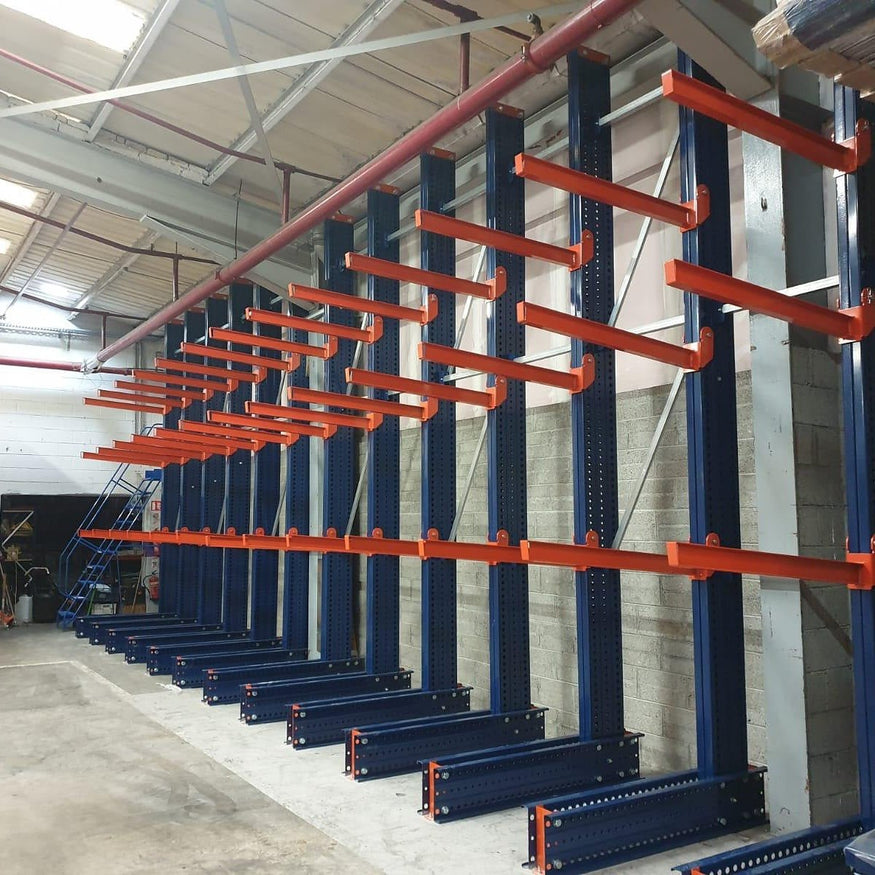
Longspan shelving for heavy, hand-loaded items across wide baysIndustrial shelving for medium-weight goods at adjustable heightsRivet shelving for lighter stock and home or office settingsPallet racking for palletised goods, using your full vertical heightCantilever racking for long or awkward items that don't suit standard baysBin storage and tilt bins for small parts, consumables and anything you access frequently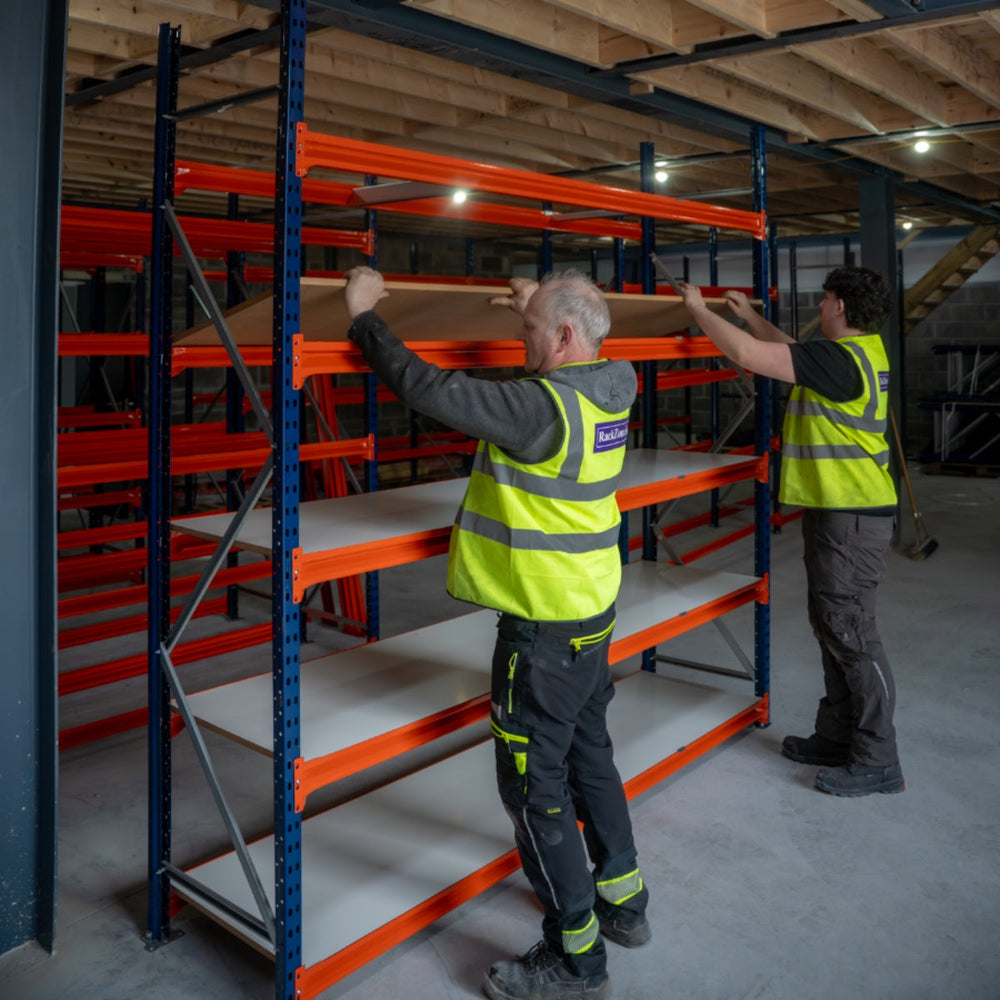
The rule is simple: match the product to the load. Don't put heavy goods on shelving rated for lighter weights. Don't overspend on pallet racking for a utility room that needs two adjustable bays.
Modular storage systems make the whole process more forgiving. You can reconfigure them as your operation changes, add bays as your stock grows and adjust shelf heights without starting over. That kind of flexibility is particularly valuable in commercial settings, where storage requirements rarely stay the same from one year to the next.
How do you plan a storage room layout?
The goal of any good layout is a space-efficient storage room. One where every zone is reachable, every route is clear and no square metre is left doing nothing.
How wide should storage room walkways be?
Put your walkways first. Most people plan their shelving and leave the walkways as whatever's left over. That's backwards, and it produces layouts that feel permanently cramped.
Decide on your main access routes before a single shelf goes up, then build your racking around them. For a standard storage room where stock is carried by hand, an aisle of around 1.2 metres is a widely used guideline for pedestrian comfort. If you're moving stock with a hand pallet truck or platform trolley, a minimum of around 2.0 to 2.5 metres is generally recommended to allow safe manoeuvring, with the exact figure depending on the width of your equipment and the loads being carried.
The HSA's guidance on workplace transport safety addresses the need to separate pedestrians from moving equipment and to ensure routes are wide enough for safe operation. The appropriate width for your operation will depend on a risk assessment that takes your specific equipment and traffic patterns into account.
How to use vertical space in a storage room
Floor space is always the limiting factor. The ceiling is almost always underused. Vertical storage is how you multiply capacity without expanding your footprint, and it's one of the most consistently overlooked opportunities in storage space planning.


RackZone's pallet racking systems reach several metres in height and can be fitted with wire mesh decking for improved safety and visibility of stored stock. The combination of height and decking means you can stack confidently, knowing each level is stable and accessible without extra effort.
The golden zone: which items go on which shelf?
Not all shelf heights are equal. Items you pick most often should sit between knee and shoulder height. That's your golden zone. Reserve upper shelves for rarely accessed stock, and use lower levels for heavy items that are safer to lift from ground level.
This single principle reduces physical strain and speeds up picking more than almost any other adjustment you can make to your layout. It's also one of the most overlooked storage room planning tips in day-to-day practice, particularly in busy warehouse and stockroom environments.
Should you mark walkways on the floor?
Yes. Floor marking tape or painted zones cost very little and pay back immediately. Everyone using the space knows where the routes run, where the racking ends and where hazards begin. It takes an hour to do properly and prevents weeks of confusion, especially when new team members join.
For utility room planning in domestic settings, the same logic applies on a smaller scale. Measure carefully, prioritise access to everyday items and use adjustable shelving so the layout can adapt as your needs change.
Storage room planning tips
Planning for future growth
Your storage requirements will grow. That's the reality of any active business or household. Modular storage systems from RackZone can be expanded bay by bay as your needs increase, so starting with a layout that has room to grow costs you nothing now and avoids a full refit later.
Plan for the storage room you'll need in two years, not just the one you need today.
Labelling: the step that makes the whole system work
A shelving system is only as useful as the labelling that goes with it. Use bin labels, shelf tags or a simple location numbering system from day one. Anyone using the space should be able to find an item and return it to the right place without asking anyone else. When that breaks down, the layout follows shortly after.
Design for retrieval, not just storage capacity
It's tempting to focus on how much you can fit in. But a room where items are difficult to retrieve isn't really a storage room. It's a place where things go to be lost. Front open tilt bins, clear Euro containers and adjustable shelf heights all make retrieval faster and more reliable in practice.
Getting weight ratings right
Heavier items always belong on lower shelves. RackZone's shelving products carry load ratings on their product pages, so you can match shelf capacity to actual load weight before you buy. Getting this wrong damages shelving and creates a safety risk.
Keeping access routes permanently clear
A walkway that's clear on day one but blocked by overflow a month later isn't a walkway. Build surplus capacity into your layout so your routes stay open as stock levels fluctuate. This is one of those tips for storage room organisation that sounds straightforward but requires consistent discipline to maintain.
Using wall space properly
Slatwall panels from RackZone turn blank walls into flexible, reconfigurable storage surfaces without taking up any floor space at all. Combine them with tilt bins, hooks and shelving brackets to create a productive wall zone that works alongside your racking. It's a genuinely underused dimension in most storage rooms.
For more guidance on product selection, our Shelving and Racking Buying Guide covers the full range in detail.
What is an efficient way to organise a storage room?
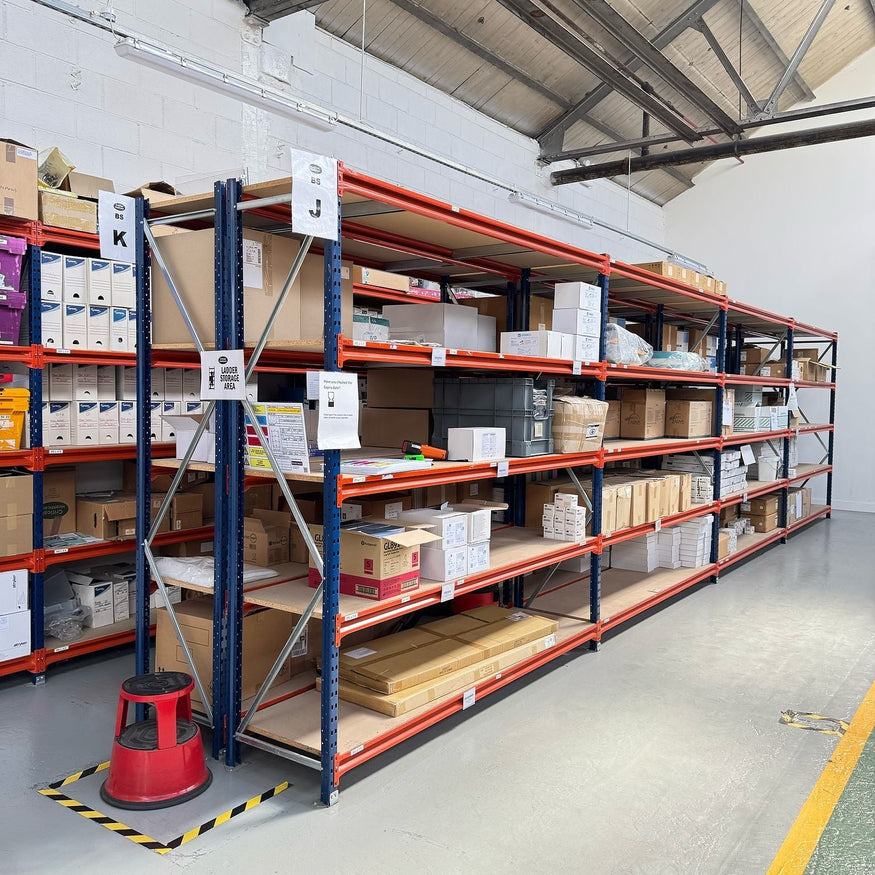
Efficient organisation comes down to one principle. Everything has a place and everything returns to it after every use. Simple in theory. Harder in practice. The right storage solution systems make it far easier to maintain over time.
Matching containers to the items they hold
Loose items on open shelves create clutter that builds fast. Parts bins, tilt bins, visible storage boxes and shelf bins give every small item a defined home. The space stays organised under daily use because the system does the work, not individual effort.
Stock rotation in a storage room
For anything with a shelf life or a rotation requirement, load from the back and pick from the front. Older stock gets used first; new deliveries go behind it. This matters in retail, food service and healthcare settings, but it's a sound habit in any storage environment where stock doesn't sit indefinitely.
How often should you review a storage room layout?
Quarterly is a reasonable minimum for most commercial operations. A layout that works for your current stock won't necessarily work in six months, particularly if your product mix or team size changes. Check that your shelving positions, zones and walkways still match how you're actually using the space, not how you planned to use it at the start.
Involving the people who use the space
The person who picks stock every day knows exactly where the pinch points are. If you're planning a reorganisation, ask the team first. Their input will produce a better result than any desk-based plan alone, and it builds buy-in to the new layout from the start.
Standardise where you can
Think carefully about maximising storage types. A room built around standardised, compatible products is much easier to manage than one with a mix of shelf sizes, box formats and racking systems that don't quite fit together. Pick a product family that works across your whole operation and stay with it.
RackZone's range is designed with compatibility in mind. Our adjustable industrial shelving, longspan systems and bin storage products are built to work together, so you can build a coherent storage environment rather than a patchwork of mismatched components.
How to make a storage plan?
A step-by-step approach to storage space planning
A storage plan is a written record of your layout, your product choices and your access routes, produced before anything goes on a shelf. It means you order the right products the first time, avoid expensive mistakes and give your installation team a clear, actionable brief.
Here's how to build one.
Step 1: Draw your floor plan. Mark all dimensions, access points, doors and fixed obstacles. Note the ceiling height separately. Use squared paper or a simple drawing tool, whatever gets it on paper accurately.
Step 2: Define your zones. Label areas by function. Receiving, bulk storage, picking, hazardous materials storage and any other functions specific to your operation. Colour coding each zone makes the plan easier to communicate to your team and your installer.
Step 3: Select your storage products. Use your zone plan to match the right product to each area. Pallet racking for bulk palletised storage, longspan shelving for hand-loaded goods, bin storage for small parts and consumables, cabinets for anything secured or chemical.
Step 4: Plan your walkways. Mark them on the floor plan. Confirm they're wide enough for your access equipment, your stock and the people using the space, taking any specific HSA requirements for your operation type into account.
Step 5: Walk through it on paper before you order anything. Can you receive a delivery, put it away, locate it again and retrieve it without blocking any route or disturbing other stock? If the answer is no at any point, revise the plan before a penny is spent.
Step 6: Order and install. We hold all stock locally in Ireland. Order before 3pm and we'll deliver anywhere in the Republic of Ireland or Northern Ireland the next business day. Once your plan is in place, your fit-out can move quickly.
For larger or more complex projects, our warehouse layout and design service removes the guesswork entirely. We work with your floor plan and your operational requirements to produce a storage plan built around how you actually work, not a generic template.
Good storage room planning doesn't need to be complicated. It needs to be deliberate. Know what you're storing, design your access routes first and choose products that can grow alongside your operation.
RackZone is 100% Irish owned, rated Excellent on Trustpilot and holds all stock locally in Ireland for next business day delivery nationwide.


