


 Value Shelving
  Chrome Shelving
 Warehouse Shelving
 Industrial Shelving
 Garage Shelving
 Metal Shelving
  Plastic Shelving
 HORECA
 Galvanised Shelving
 Industrial Workbench
  Value Workbench
  Modular Workstations
 Matting
  Metal Lockers & Benches
 Office
  Slatwall
  Cabinets
 Plastic Lockers
 Lean Products
 Mobile Steps
 Wall-Zone
 Longspan Racking
  Cantilever Racking
  Industrial Pallet Racking
 Wire Mesh Decking
 Tyre Racking
 Vertical Storage
 Racking Accessories
 Up & Over Gates
 Containers & Boxes
  Louvre Panels
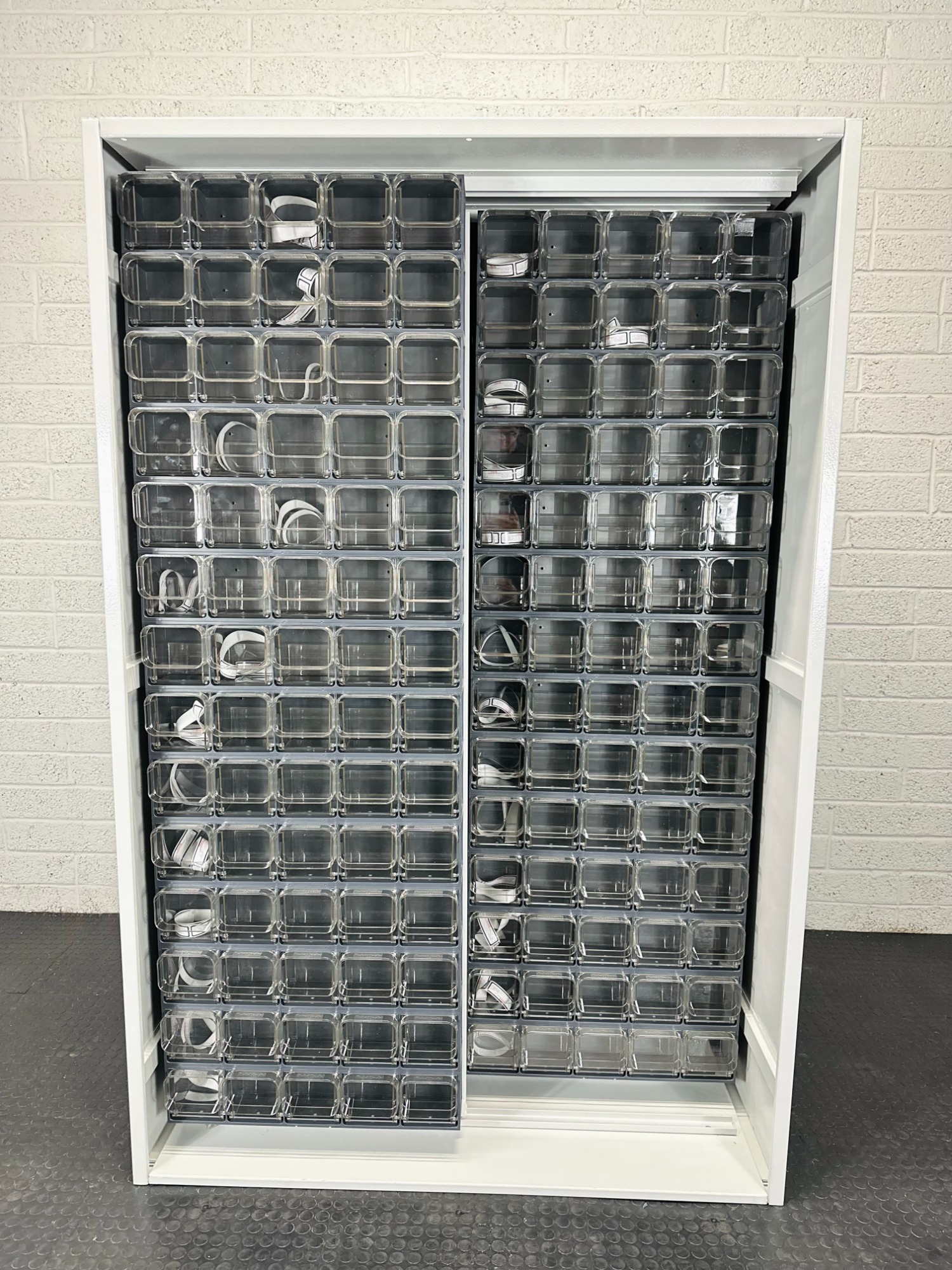 Crystal Box Systems
 Parts Bins
  Euro Containers
 Visible Storage Boxes
  Foldable Crates
 Shelf Bin
 Tool Organiser

 Waste Management
 Cabinets
 Chemical & CoSHH Cabinets
  Hex Lighting
 Packaging
 Platform Trolleys
  Hand Trucks
  Pallet Trucks
 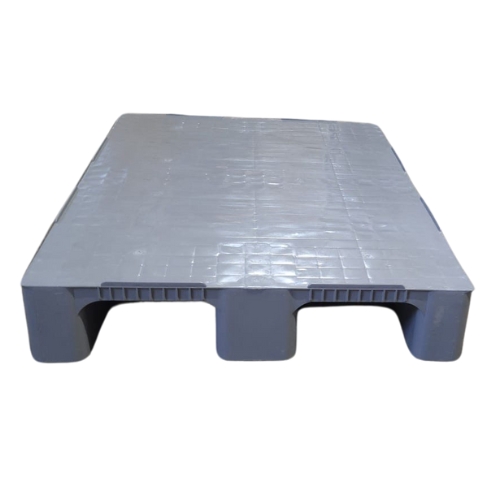 Plastic Pallets

Essential Warehouse Fit Out Guide
When planning a warehouse fit out, every decision shapes your operation's efficiency for years to come. You need to balance space optimisation with workflow demands, safety requirements with budget constraints and current needs with future growth plans.
What factors determine your warehouse layout design?
Your warehouse layout directly impacts productivity, safety and operational costs. You must consider your inventory types, picking methods and equipment requirements. Storage density versus accessibility becomes a critical balance - high-density systems like drive-in racking maximise space but may slow retrieval times.
Traffic flow patterns matter enormously. You want straight-line movements wherever possible, with minimal crossing paths between goods-in, storage, picking and despatch areas. Wide aisles support faster movement but reduce storage capacity, so you'll need to find the sweet spot for your operation.
Temperature zones and environmental controls add another layer of complexity. If you handle mixed product lines requiring different storage conditions, your layout must accommodate these variations without compromising efficiency.
How do you choose the right storage systems?
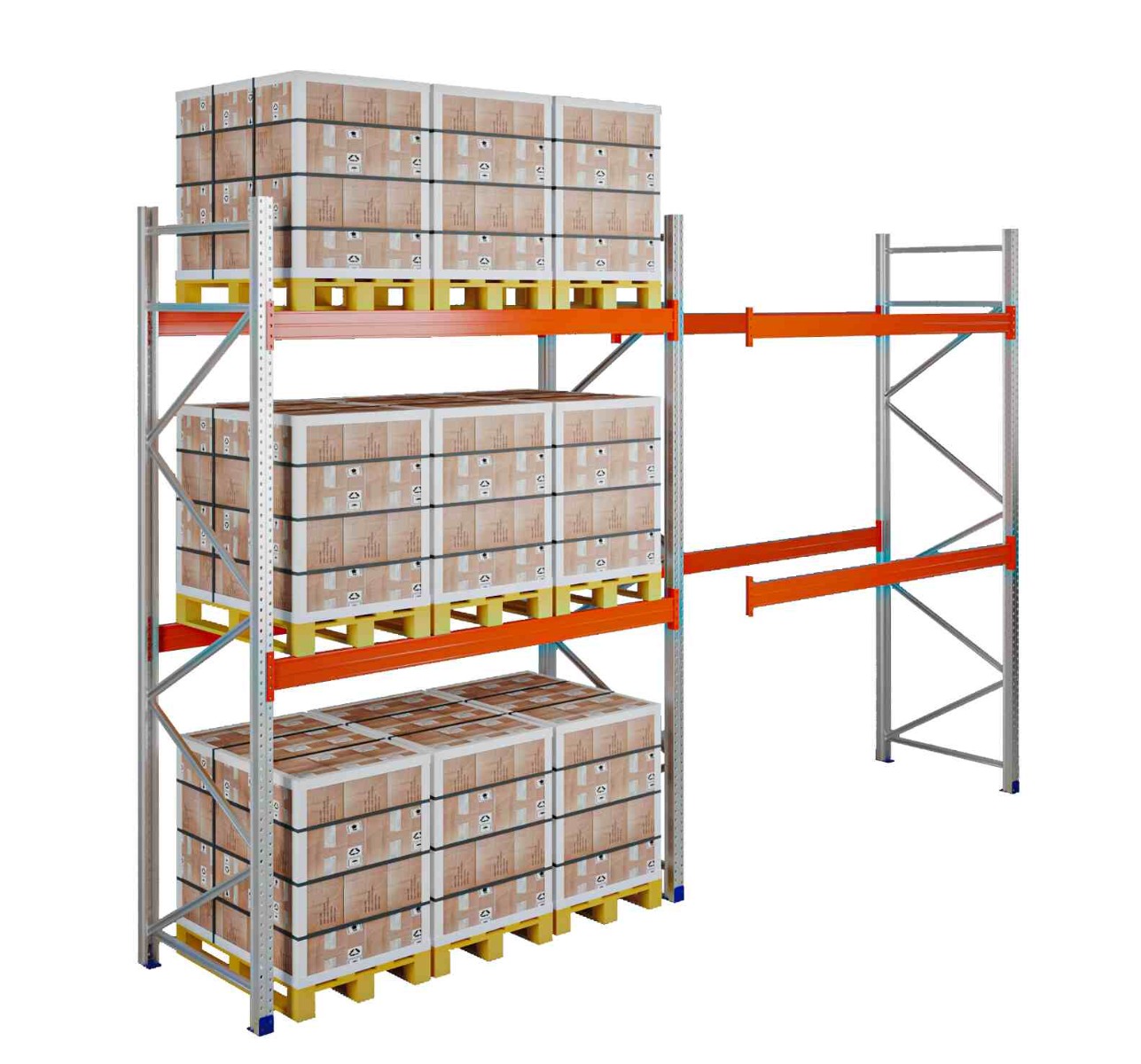
Pallet racking is the backbone of most warehouse operations, but selecting the right type depends on your needs. Selective racking offers excellent accessibility for diverse product ranges, making it suitable for operations with frequent stock rotation.
For higher storage density, drive-in or drive-through racking works well with fewer SKUs and longer storage periods. These systems reduce aisle space requirements but limit picking flexibility.
Automated storage and retrieval systems (ASRS) deliver exceptional space efficiency and accuracy but require significant capital investment. You'll typically see ROI in high-volume operations with consistent product dimensions.
Mezzanine floors can double your usable space without extending your building footprint. They're particularly effective for creating separate areas for different activities - order processing upstairs and bulk storage below.
What role does technology play in modern warehouse design?
Warehouse Management Systems (WMS) integration influences your physical layout design. You need adequate space for scanning stations, charging points for mobile devices and clear sight lines for barcode reading.
LED lighting systems with motion sensors reduce energy costs while improving working conditions. Strategic placement affects safety and picking accuracy, particularly in high-bay storage areas.
Conveyor systems and sortation equipment require careful planning for installation and maintenance access. You'll need to consider weight loads on floor slabs and integration points with existing racking systems.
Voice picking and pick-to-light technologies change space requirements at pick faces. Compared to traditional paper-based picking, these systems may require different aisle widths and storage configurations.
How do you plan for future expansion?
Modular racking systems offer flexibility for future reconfiguration. You can start with basic selective racking and upgrade to higher-density systems as volumes grow, without completely redesigning your layout.
Building design should anticipate vertical expansion possibilities. Higher clear heights accommodate taller racking systems, while adequate floor loading capacity supports heavier storage densities.
Utility infrastructure - electrical supply, compressed air and data cabling - should exceed current requirements. Retrofitting these services around established racking systems proves expensive and disruptive.
Access points for future automation deserve early consideration. Automated guided vehicles (AGVs) and robotic systems need specific floor surfaces, charging stations and navigation infrastructure.
What safety considerations affect your fit out design?
Fire safety regulations significantly impact racking layout and aisle widths. Sprinkler system coverage, evacuation routes and emergency vehicle access influence your design parameters.
Load capacity calculations must account for dynamic forces, not just static weights. Forklift impacts, seismic considerations and uneven loading patterns affect structural requirements.
Personal protective equipment storage and emergency eyewash stations need strategic placement throughout the warehouse. Safety barriers protect equipment and personnel at transition zones between different operational areas.
Regular safety audits during the fit-out process catch potential issues before they become expensive problems. Independent structural engineers should verify that all racking installations meet current standards in Ireland.
How do environmental factors influence your warehouse design?
Insulation and ventilation systems affect both energy costs and product quality. Poor environmental control can damage stock and create uncomfortable working conditions that reduce productivity.
Condensation control becomes critical in facilities handling temperature-sensitive products. Vapour barriers and humidity management systems require integration with your storage layout.
Sustainable design elements - LED lighting, solar panels, rainwater harvesting - often qualify for grants and reduce long-term operating costs. These systems need consideration during initial planning phases.
Waste management areas require adequate space and accessibility for collection vehicles. Recycling requirements for packaging materials may dictate specific storage and handling areas.
Why choose professional warehouse fit out services?
Professional fit out specialists bring experience across multiple industries and operation types. They understand regulatory requirements, safety standards and best practices that may not be obvious to first-time warehouse operators.
Project management expertise ensures the coordinated installation of different systems. Racking, flooring, lighting and technology integration must happen in the correct sequence to avoid delays and additional costs.
Post-installation support includes maintenance schedules, safety inspections and modification services as your needs change. This ongoing relationship proves valuable as your operation grows and evolves.
RackZone's warehouse solutions combine decades of experience with current industry knowledge, ensuring your fit out meets both immediate needs and long-term objectives.
Your warehouse fit-out investment affects operational efficiency for many years. Proper planning, considering all factors, and working with experienced professionals ensures maximum value from your investment while creating a safe, efficient working environment.