







 Value Shelving
  Chrome Shelving
 Warehouse Shelving
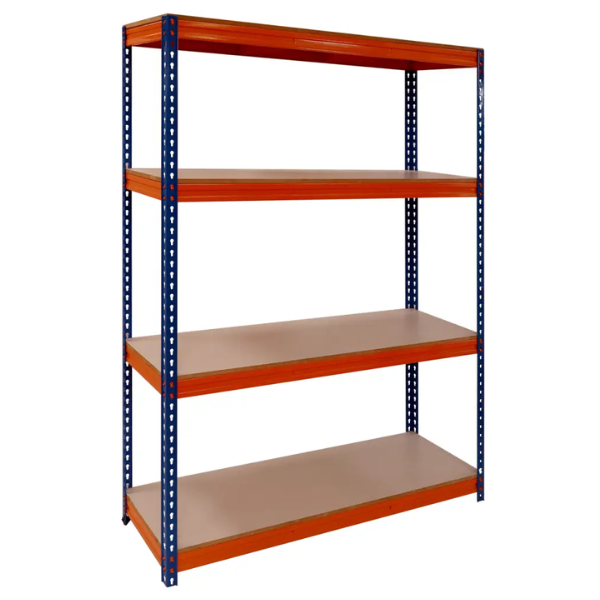 Industrial Shelving
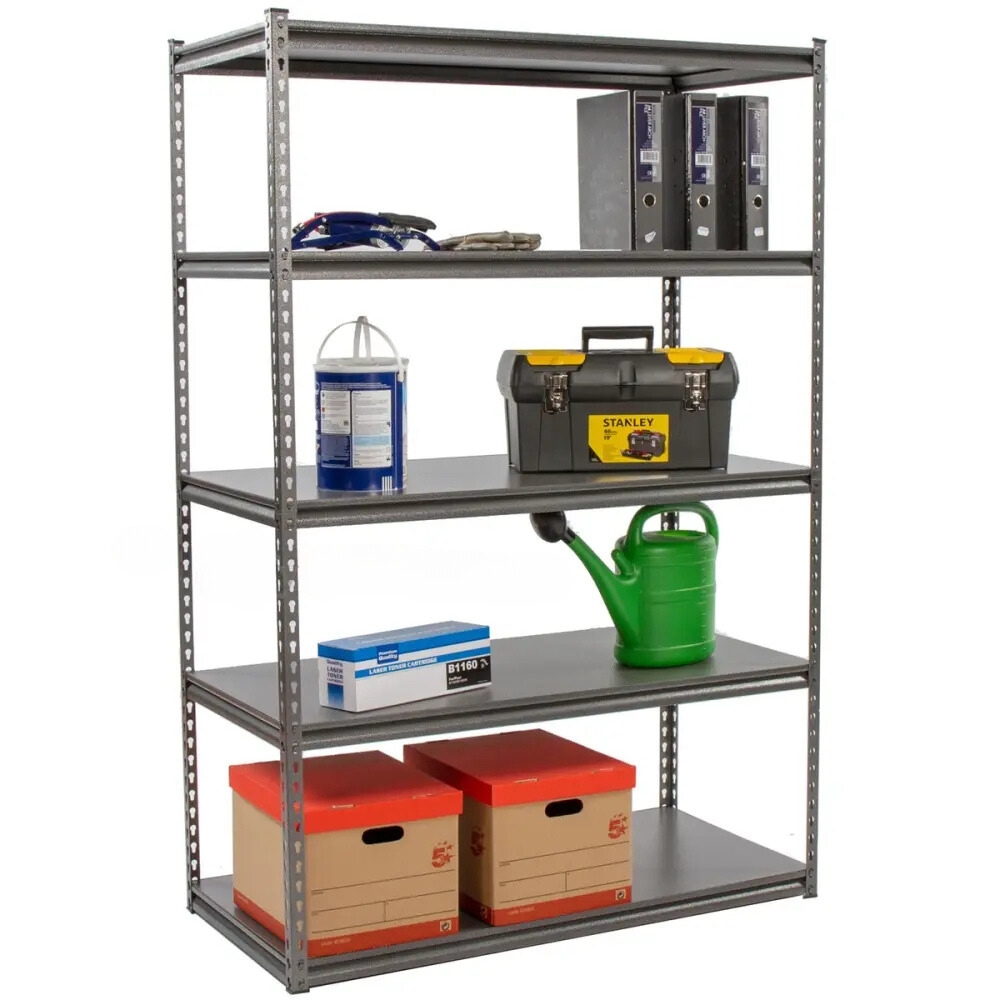 Garage Shelving
 Metal Shelving
  Plastic Shelving
 HORECA
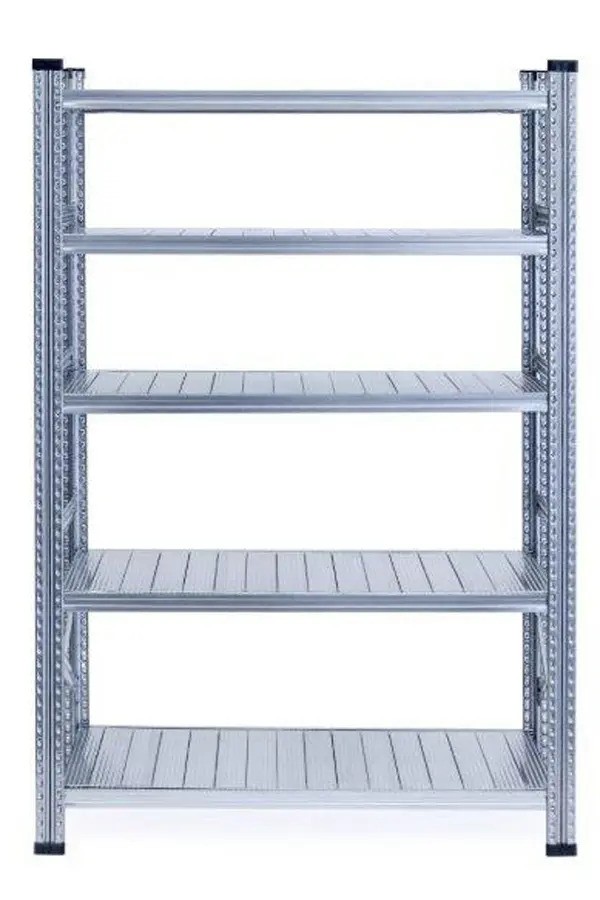 Galvanised Shelving
 Industrial Workbench
  Value Workbench
  Modular Workstations
 Matting
  Metal Lockers & Benches
 Office
  Slatwall
  Cabinets
 Plastic Lockers
 Lean Products
 Mobile Steps
 Wall-Zone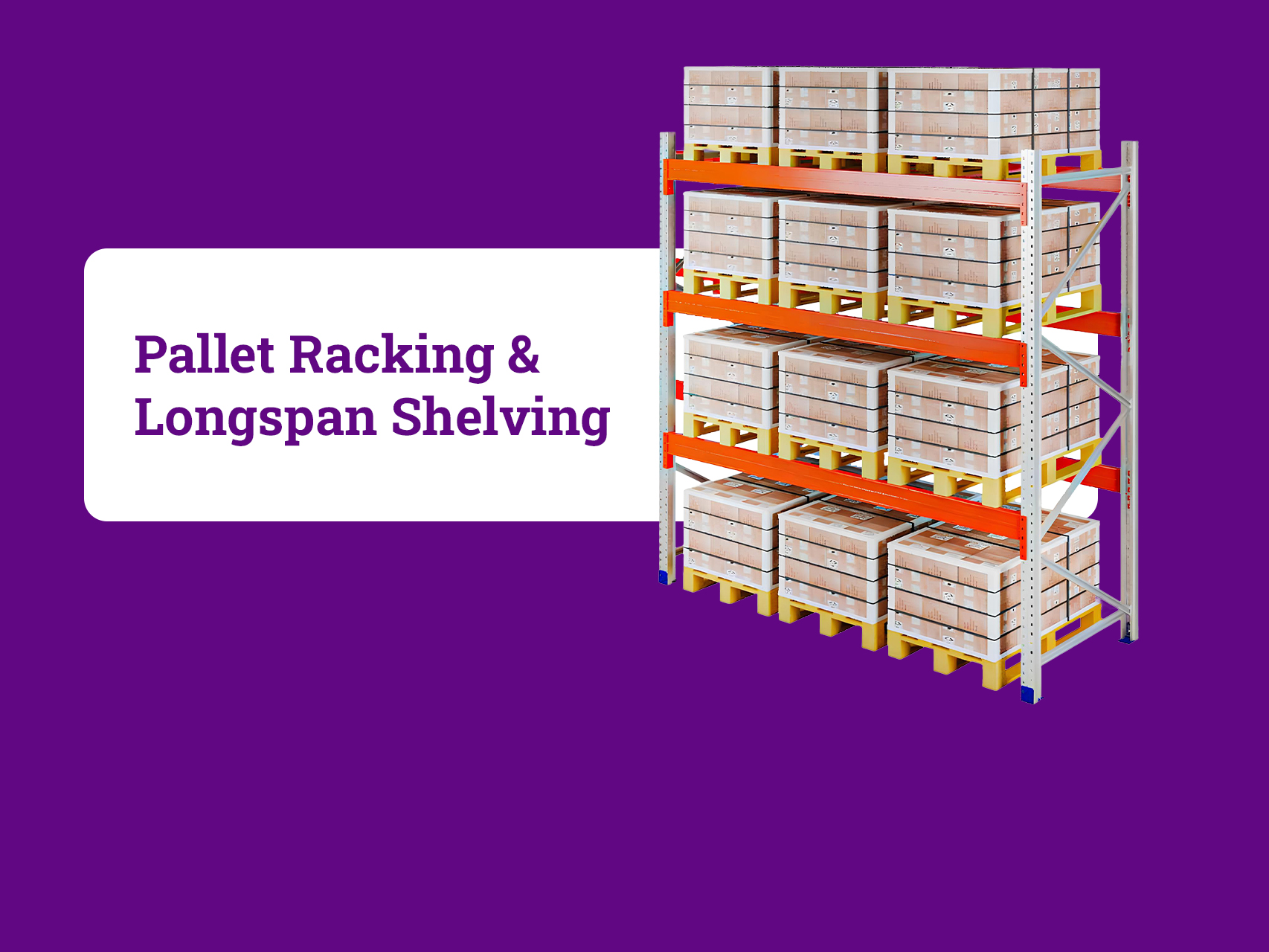
 Longspan Racking
  Cantilever Racking
 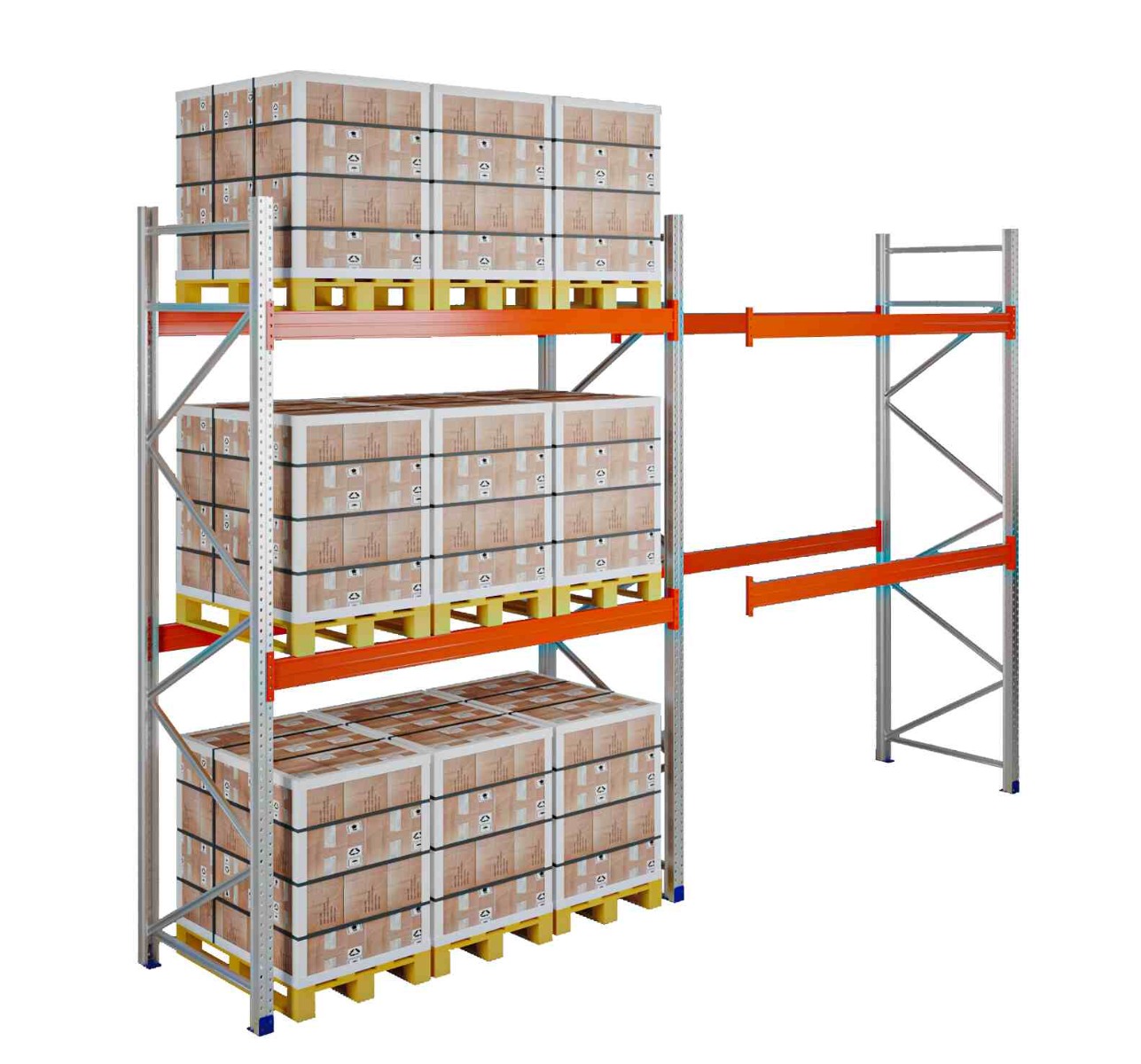 Industrial Pallet Racking
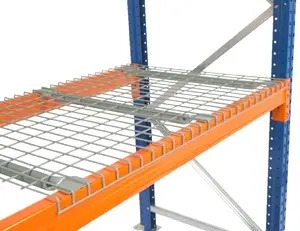 Wire Mesh Decking
 Tyre Racking
 Vertical Storage
 Racking Accessories
 Up & Over Gates
 Containers & Boxes
  Louvre Panels
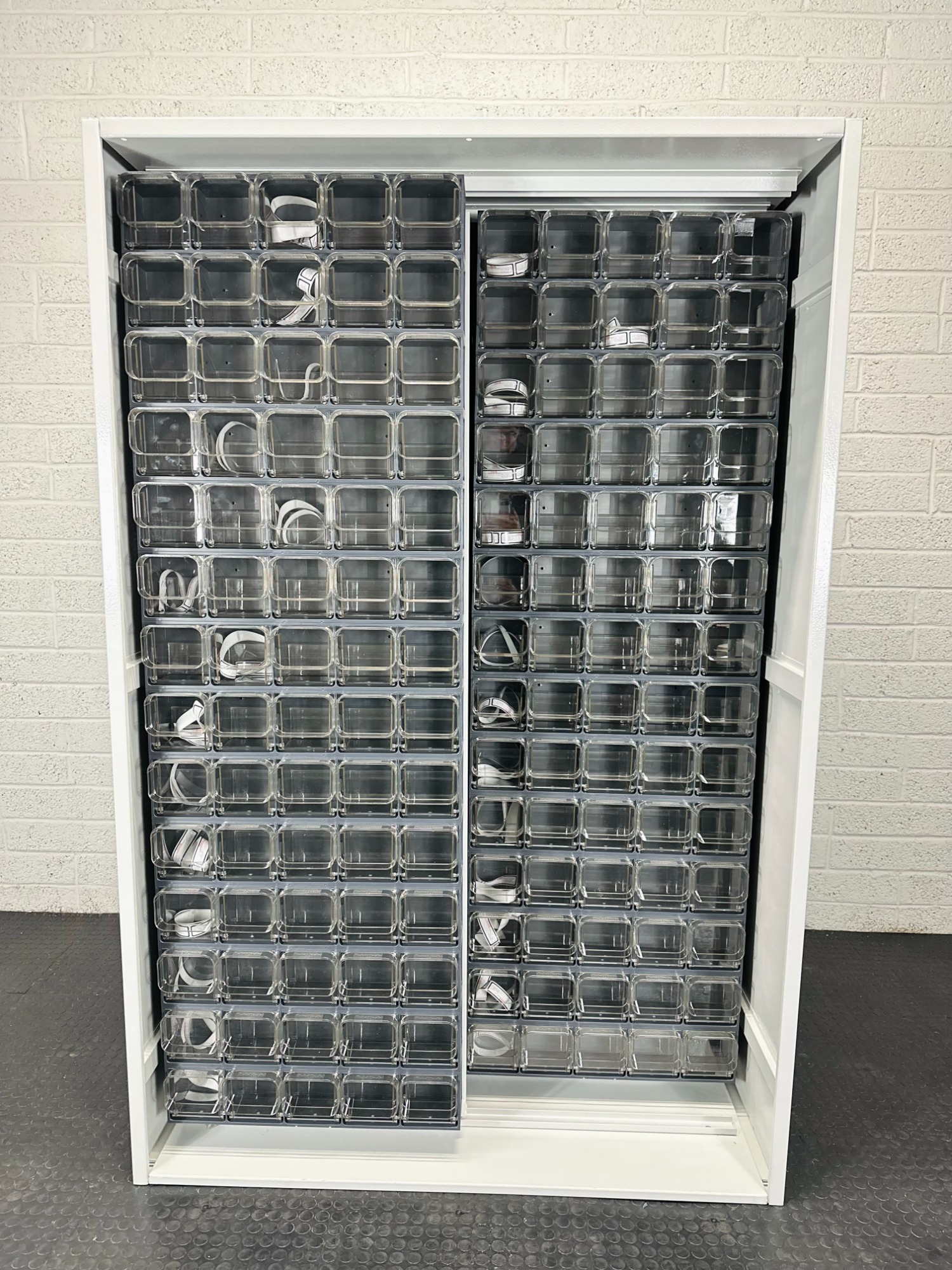 Crystal Box Systems
 Parts Bins
  Euro Containers
 Visible Storage Boxes
 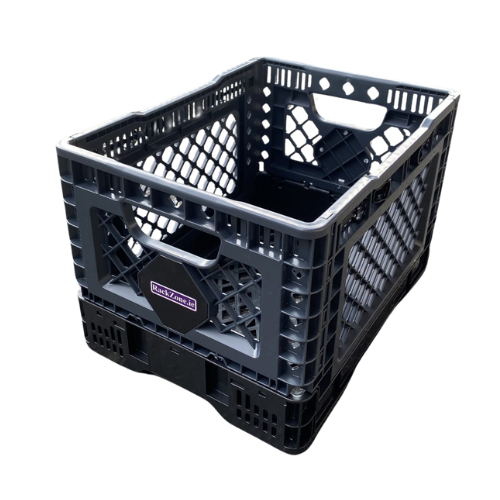 Foldable Crates

 Shelf Bin
 Tool Organiser


 Waste Management
 Cabinets
 Chemical & CoSHH Cabinets
  Hex Lighting
 Packaging
 Platform Trolleys
  Hand Trucks
  Pallet Trucks
  Plastic Pallets

The Role of Signage in Effective Workplace Communication
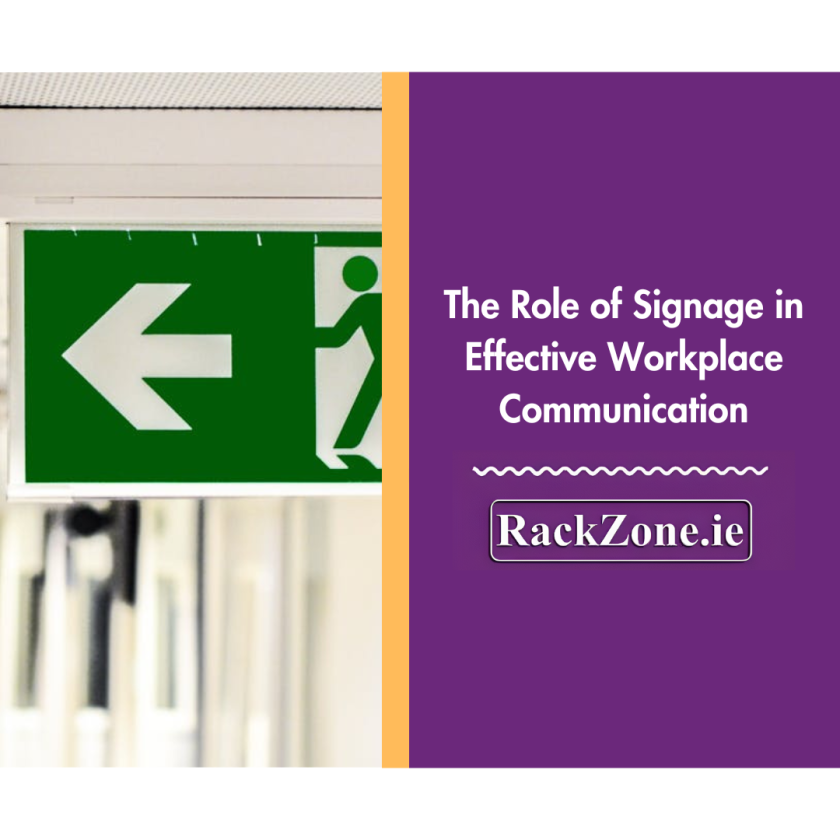
Effective workplace communication depends on clear, consistent visual messages that guide behaviour, ensure safety and maintain operational flow. You know that signage is a silent but constant communicator in your workspace, bridging gaps where verbal instruction falls short and creating a foundation for smooth daily operations.
How does signage improve workplace safety compliance?
Safety signage forms the backbone of workplace protection systems. The Health and Safety Authority (HSA) and the Health and Safety Executive (HSE) state that employers must provide safety signs if there is a significant risk that can't be avoided or controlled in any other way, such as through safe systems of work or engineering controls’. This requirement goes beyond mere compliance - it creates an environment where safety becomes second nature.
Properly positioned safety signs reduce incident response times and create immediate recognition of potential hazards. Warning signs, prohibition notices and mandatory instruction placards work together to establish clear expectations. When marked consistently, emergency exit routes become intuitive, and fire safety equipment locations remain visible even during high-stress situations.
RackZone'sracking load capacity signs exemplify this principle by clearly displaying weight limits directly on storage systems. This prevents overloading incidents and maintains operational efficiency.
What role does directional signage play in workflow efficiency?
Directional signage eliminates confusion and reduces time wasted on navigation. You can measure productivity gains when employees and visitors move confidently through your workspace without seeking assistance or making wrong turns.
Effective wayfinding systems incorporate room identification, department markers and process flow indicators. These work together to create logical pathways that support your operational objectives. Digital displays can adapt to changing requirements, showing different routes during shift changes or emergency scenarios.
How can informational signage reduce workplace disruption?
Informational signage acts as a first line of communication, answering common questions before they become interruptions. You can significantly reduce the frequency of routine enquiries by positioning relevant information where people need it most.
Consider the impact of clear procedural signage near equipment, detailed contact information in common areas and policy reminders at relevant locations. This approach frees your team from repetitive explanations and allows focus on core responsibilities.
Digital information boards offer particular advantages for dynamic workplaces. They can display real-time updates, schedule changes and important announcements without requiring physical replacement. This flexibility proves especially valuable in environments where information changes frequently.
Which materials and technologies work best for different environments?
Material selection determines signage longevity and visibility. Industrial environments require durable materials that withstand moisture, temperature changes and physical contact. Outdoor signage needs weather resistance, while office environments prioritise aesthetics alongside functionality.
Reflective materials improve visibility in low-light conditions. Photoluminescent options provide emergency guidance when power fails. Digital displays offer versatility but require ongoing maintenance and power supply considerations.
When selecting materials, consider viewing distances, lighting conditions and environmental factors. Scratch-resistant surfaces benefit high-traffic areas and chemical-resistant materials are needed in areas with cleaning requirements.
What are the key design principles for effective workplace signage?
Clarity trumps creativity in workplace signage design. You need high contrast between text and background colours, readable fonts at appropriate sizes and concise messaging that communicates instantly.
Consistent design language across all signage creates a cohesive system. This includes standardised colours for different message types - red for prohibitions, yellow for warnings, green for safety information. Size hierarchy helps prioritise information, with the most critical messages receiving prominence.
Icon usage can transcend language barriers, but cultural considerations matter. Standard symbols work well for universal concepts, but custom icons may need explanation or training to ensure proper interpretation.
How should organisations maintain and update workplace signage systems?
Regular audits identify damaged, outdated or poorly positioned signs. Based on material durability and environmental exposure, you should establish replacement schedules. Documentation helps track sign locations, installation dates and maintenance requirements.
Staff feedback provides valuable insights into signage effectiveness. Employees notice gaps in communication and can suggest improvements based on daily experience. This input helps refine systems over time.
Digital systems require different maintenance approaches, including software updates, display calibration and content management protocols. Backup systems ensure continuity when technical issues arise.
Effective workplace signage creates an environment where communication flows naturally and safely. When you invest in quality signage systems, you build infrastructure that supports daily operations, protects your workforce and enhances overall productivity. The key is choosing appropriate solutions that match your specific workplace requirements and maintaining them consistently over time.
Ready to improve your workplace communication through professional signage solutions? Contact RackZone to discuss how our signage expertise can enhance your operational efficiency and safety standards.