

 Value Shelving
  Chrome Shelving
 Warehouse Shelving
 Industrial Shelving
 Garage Shelving
 Metal Shelving
  Plastic Shelving
 HORECA
 Galvanised Shelving
 Industrial Workbench
  Value Workbench
  Modular Workstations
 Matting
  Metal Lockers & Benches
 Office
  Slatwall
  Cabinets
 Plastic Lockers
 Lean Products
 Mobile Steps
 Wall-Zone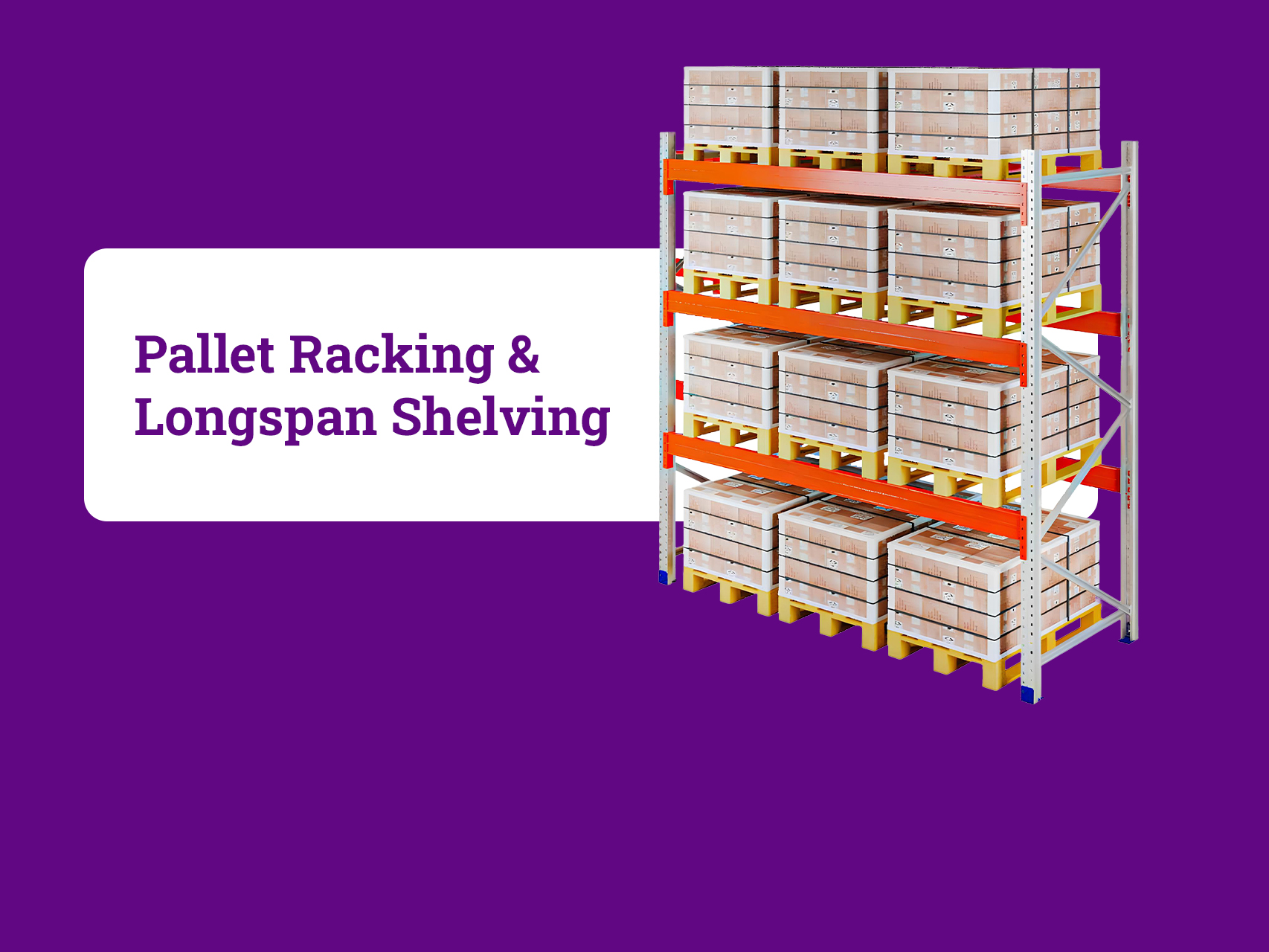
 Longspan Racking
  Cantilever Racking
 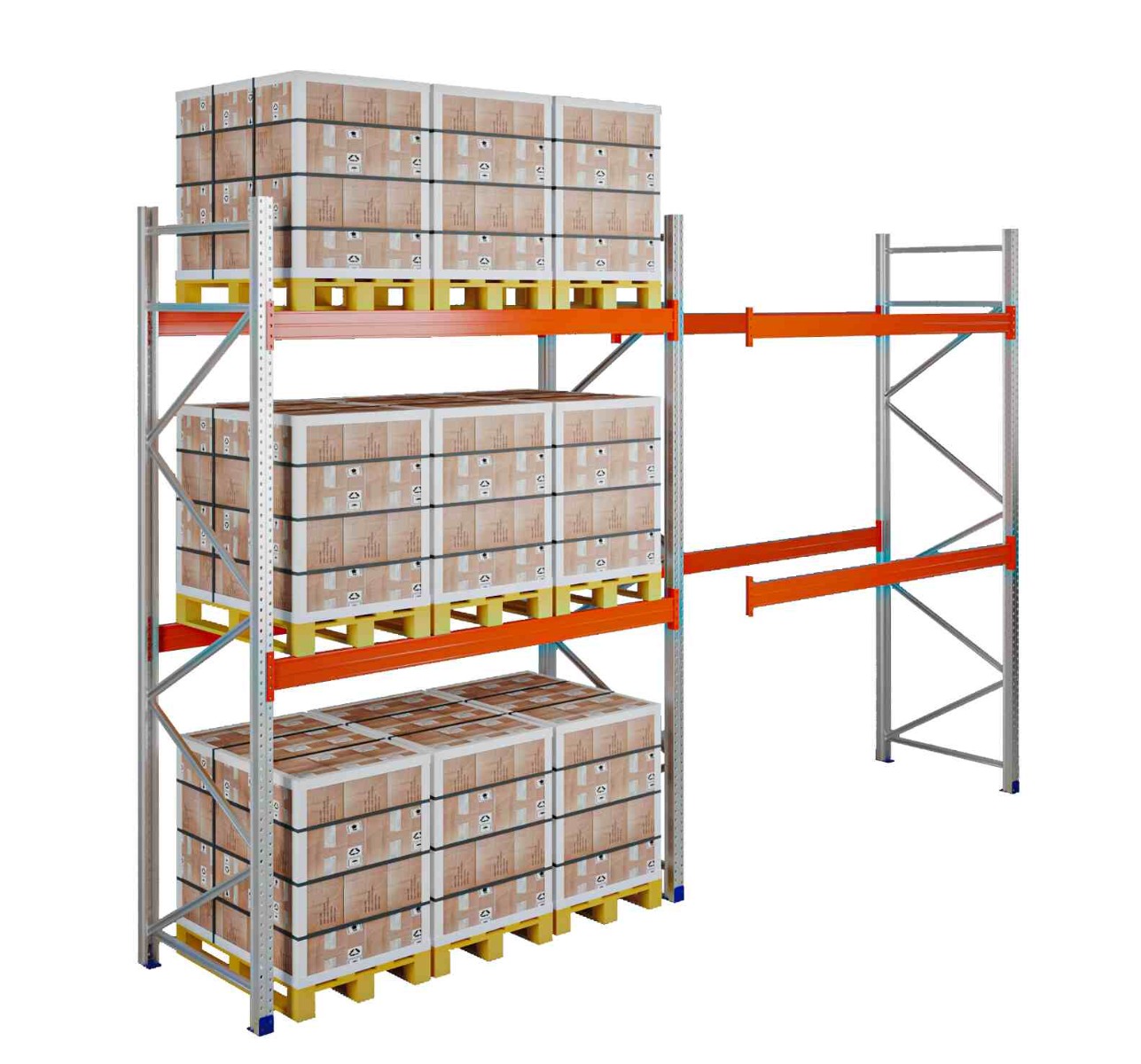 Industrial Pallet Racking
 Wire Mesh Decking
 Tyre Racking
 Vertical Storage
 Racking Accessories
 Up & Over Gates
 Containers & Boxes
  Louvre Panels
 Crystal Box Systems
 Parts Bins
  Euro Containers
 Visible Storage Boxes
  Foldable Crates
 Shelf Bin
 Tool Organiser

 Waste Management
 Cabinets
 Chemical & CoSHH Cabinets
  Hex Lighting
 Packaging
 Platform Trolleys
  Hand Trucks
  Pallet Trucks
  Plastic Pallets

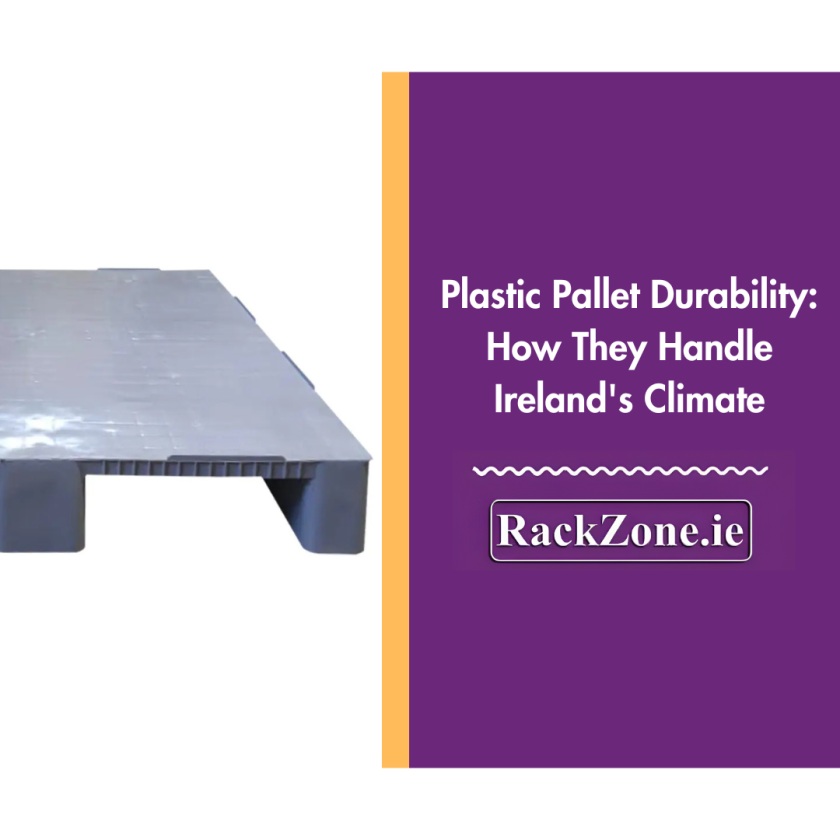
Plastic Pallet Durability: How They Handle Ireland's Climate
Estimated reading time: 7 minutes
Ireland's climate poses unique challenges for warehouse and logistics operations. Between persistent rainfall, high humidity levels and fluctuating temperatures, businesses need storage solutions that won't deteriorate or compromise load integrity. Wooden pallets have traditionally dominated Irish warehouses, but more operations are discovering that heavy-duty plastic pallets offer superior performance in our damp, changeable conditions.
The shift to plastic isn't just about durability. It's about reducing replacement costs, improving safety standards and maintaining consistent operations regardless of weather. This guide examines how plastic pallets handle Ireland's specific climate challenges and why they're becoming the practical choice for businesses thinking ahead.
Key Takeaways:
- Plastic pallets resist moisture damage and maintain structural integrity in Ireland's wet conditions.
- HDPE plastic pallets withstand temperature ranges from -40°C to +40°C (and can briefly tolerate higher temperatures up to 80°C), making them highly suitable for Irish operations across all seasons.
- Properly maintained plastic pallets last 8-10 years on average, with some lasting 10-15 years depending on usage conditions, compared to 3-5 years for wooden alternatives.
- Weather-resistant properties eliminate common issues like rot, mould and warping.
- Long-term costs favour plastic pallets through reduced replacement frequency and improved safety compliance.
Why Are Plastic Pallets More Durable Than Wooden Ones?
The big difference comes down to material composition. Made from high-density polyethylene and other resilient polymers, plastic pallets can withstand even harsh environments. They're immune to moisture, rot and most chemicals, minimising damage and ensuring lasting performance. This contrasts sharply with wooden pallets, which absorb moisture readily, a particular problem in Irish facilities.
Wooden pallets deteriorate rapidly in our climate, typically lasting only 3-5 years under normal use conditions. Rain-soaked loading bays, condensation in temperature-controlled storage and persistent dampness all accelerate rot and structural weakness. You've likely seen the results: splintered wood, warped boards and pallets that fail under normal loads. These aren't just inconveniences. They're safety hazards that risk product damage and workplace injuries.
Plastic pallets resist moisture, insects and mould, and clean easily. For Irish warehouses dealing with food products, pharmaceuticals or export goods requiring strict hygiene standards, this cleanliness advantage matters considerably. A quick rinse removes contamination that would penetrate deep into wooden grain, eliminating the bacterial harbours that health inspectors flag during audits.
The structural consistency of plastic also prevents the load-shifting issues common with wooden pallets. As wood warps and twists with moisture absorption, pallet surfaces become uneven. This compromises stacking stability and increases product damage during transport. These costs quickly add up over time.
How Do Plastic Pallets Perform in Ireland's Wet and Humid Climate?
Ireland experiences high relative humidity year-round. This creates conditions where moisture damage isn't occasional. It's a constant concern for vulnerable materials. Weather-resistant plastic pallets are not affected by moisture, extreme temperatures or UV exposure, making them suitable for various environments.
This weather resistance translates to practical advantages in Irish operations. Pallets stored in outdoor yards don't degrade between uses. Goods transported through rain-soaked loading docks maintain structural integrity. Temperature-controlled cold stores, where condensation forms constantly, won't compromise pallet strength or introduce contaminants.
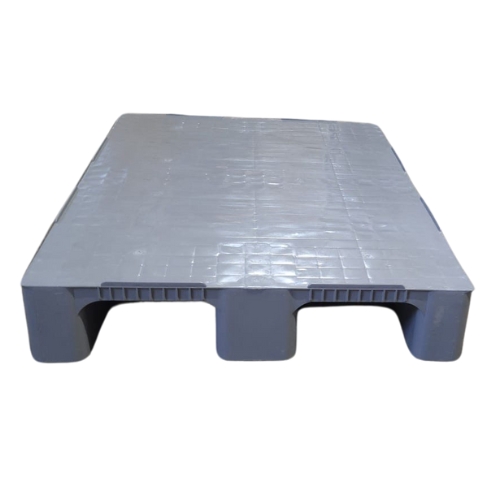
Consider coastal facilities in Cork, Galway or Belfast, where salt-laden air accelerates corrosion and degradation. Our Heavy Duty Plastic Pallet 1200 x 1000 Grey maintains performance in these harsh conditions. The non-porous surface prevents salt absorption, eliminating the structural weakening that affects wooden alternatives in maritime environments.
The humidity resistance also benefits businesses with seasonal fluctuations in storage requirements. Pallets stored during slower periods don't develop mould or structural issues. They emerge ready for use without inspection concerns or replacement needs. This reliability supports leaner inventory practices without compromising operational readiness.
Can Plastic Pallets Withstand Temperature Extremes?
Ireland doesn't experience the temperature extremes of continental climates, but our seasonal swings still challenge storage equipment. High-quality HDPE pallets can withstand temperatures between -40°C and +40°C for continuous service, with the material able to briefly tolerate spikes up to 80°C. This range comfortably covers every condition Irish businesses encounter, from cold storage facilities operating at -25°C to summer loading bays with direct sun exposure reaching 35-40°C.
Cold storage presents particular challenges. Wooden pallets become brittle in freezing conditions, with moisture within the wood expanding and contracting through freeze-thaw cycles. This accelerates structural degradation and increases breakage risk. Plastic pallets maintain flexibility and impact resistance even at temperatures common in pharmaceutical and food storage facilities.
Summer temperatures in Irish warehouses with metal roofing can reach elevated levels during heatwaves. Plastic pallets won't warp or lose structural integrity under these conditions, unlike wooden alternatives that expand, contract and twist with temperature changes. This dimensional stability ensures consistent racking fit and reduces the jamming issues that disrupt warehouse flow.
The temperature resistance also supports businesses with mixed storage environments. Pallets moving between ambient warehouse space, refrigerated sections and heated dispatch areas experience dramatic temperature swings. Plastic pallets handle these transitions without the structural stress that shortens wooden pallet lifespans, maintaining load integrity throughout your facility.
How Long Do Plastic Pallets Last in Real-World Use?
Durability claims mean little without real-world context. Plastic pallets typically last 8-10 years with proper care and maintenance, with some lasting 10-15 years depending on usage intensity, load weights and handling practices. This compares favourably to wooden pallets, which typically require replacement after 3-5 years in demanding conditions.
The lifespan advantage compounds over time. Industry data shows that plastic pallets can complete 100-250 trips through the supply chain before requiring significant repairs, while wooden pallets typically last only 11-20 trips before becoming unusable. This substantial difference in trip capacity translates directly to lower total cost of ownership despite the higher initial investment.
Maintenance requirements differ significantly between materials. Wooden pallets need regular inspection for protruding nails, splintering boards and structural integrity. Damaged pallets create workplace hazards and regulatory compliance concerns. Plastic pallets require minimal inspection beyond visual checks for cracks or deformation. These issues develop far less frequently than wooden pallet failures.
Our Heavy Duty Plastic Pallet 1200 x 800 Grey demonstrates this durability advantage in Irish operations. Businesses report consistent performance across thousands of handling cycles, with replacements needed only after extreme impacts rather than gradual degradation. This reliability supports predictable maintenance budgets without surprise replacement costs.
Plastic pallets are resistant to moisture, pests and chemicals, but extreme temperatures and UV exposure can degrade some materials over time. HDPE plastic handles Ireland's conditions well, but proper storage extends lifespans further. Keep unused pallets away from prolonged direct sunlight.
How Can You Maximise Pallet Life and Storage Safety?
Durability means little without proper handling practices. Weight distribution matters considerably. Concentrated loads create stress points that can damage even heavy-duty plastic. Distribute loads evenly across the pallet surface, using the full footprint rather than stacking boxes in the centre. This simple practice extends pallet lifespan and improves load stability.
Storage systems complement pallet durability. Our industrial pallet racking systems provide the structural support that allows plastic pallets to perform optimally. Proper racking ensures adequate airflow around stored goods, prevents uneven weight distribution and reduces impact damage from poor placement.
Regular rotation prevents uneven wear patterns. Pallets used exclusively for heavy loads develop stress faster than those in mixed-duty cycles. Rotating your fleet ensures consistent wear across all units, maximising the investment in each pallet. Track usage patterns and swap high-stress pallets into lighter-duty roles before structural issues develop.
Forklift operation significantly impacts pallet longevity. Train operators to position forks fully beneath pallets before lifting, avoiding the edge impacts that can damage plastic and splinter wood. Smooth acceleration and deceleration reduce stress on pallet structure. These handling improvements extend lifespans for both plastic and wooden pallets, though plastic's inherent durability provides greater tolerance for operational realities.
Cleaning extends pallet life and meets hygiene standards. Unlike wooden pallets that harbour bacteria in grain and cracks, plastic pallets clean completely with standard pressure washing. This prevents contamination build-up that accelerates degradation and ensures compliance with food safety and pharmaceutical handling regulations.
Are Plastic Pallets Worth the Investment for Irish Warehouses?
The initial cost difference between plastic and wooden pallets generates hesitation. Plastic pallets cost more upfront than wooden alternatives. However, this comparison ignores lifecycle costs, the proper metric for procurement decisions.
Plastic pallets typically last 8-10 years, with some achieving 10-15 years of service, resisting moisture, insects and mould while cleaning easily. Wooden pallets typically require replacement after 3-5 years. When you factor in the replacement frequency - potentially needing 2-4 wooden pallets over the same period one plastic pallet serves - the economic case shifts considerably. Factor in labour costs for disposal, inspection time and workplace injuries from splinters or structural failures, and the economic case becomes more compelling.
Safety compliance costs deserve consideration. Wooden pallet failures cause workplace injuries through splinters, protruding nails and sudden load collapses. Each incident generates direct costs: medical treatment, work time lost, regulatory reporting. Plus indirect costs through reduced productivity and potential HSA inspections. Plastic pallets can help reduce these incidents, supporting safer operations.
Environmental considerations increasingly influence procurement decisions. Many plastic pallets are made entirely of recycled material. End-of-life plastic pallets can be recycled again, creating closed-loop systems that support sustainability commitments. Wooden pallets are technically renewable, but the treatment chemicals and replacement cycle create environmental considerations that businesses evaluate.
The reliability advantage matters during critical operations. Wooden pallet failures during peak seasons disrupt operations when you can least afford downtime. Plastic pallets maintain consistent performance regardless of weather, season or storage conditions. This reliability supports lean inventory practices and just-in-time operations.
For Irish businesses evaluating the switch, consider starting with specific applications:
- Export operations where durability during international transport matters
- Temperature-controlled storage operations where moisture-related failures create problems
- Food and pharmaceutical operations requiring higher hygiene standards
Transform Your Warehouse Operations with Weather-Proof Storage Solutions
Ireland's climate demands storage solutions that perform reliably regardless of conditions. Plastic pallets provide durability, safety and long-term value in our wet environment. The investment pays returns through reduced replacements, improved safety compliance and operational reliability that supports business growth.
Ready to upgrade your pallet fleet? Explore our complete range of heavy-duty plastic pallets designed for demanding conditions. Pair them with our industrial pallet racking systems to create storage infrastructure that handles whatever Irish weather delivers.
Contact us or browse our solutions online. With next-business-day delivery across Ireland and Northern Ireland, we'll help you build the reliable warehouse operation your business deserves.
RackZone: Quality Storage Solutions, Delivered Fast. 100% Irish-owned. Stock in Ireland. Rated Excellent on Trustpilot.

Ciaran Duffy
Director
Ciaran is a seasoned storage solutions expert and Director at RackZone, with over 10 years of experience providing high quality shelving, pallet racking, and storage systems to private and commercial clients across Ireland and the UK. His deep understanding of warehouse logistics and space optimisation makes him a trusted voice in the industry. Whether advising on large-scale industrial fit-outs or smart storage for small businesses, Ciaran is passionate about helping clients find efficient, durable, and cost-effective solutions. His expertise lies in warehouse planning, racking systems, and end to end storage project management.