

 Value Shelving
  Chrome Shelving
 Warehouse Shelving
 Industrial Shelving
 Garage Shelving
 Metal Shelving
  Plastic Shelving
 HORECA
 Galvanised Shelving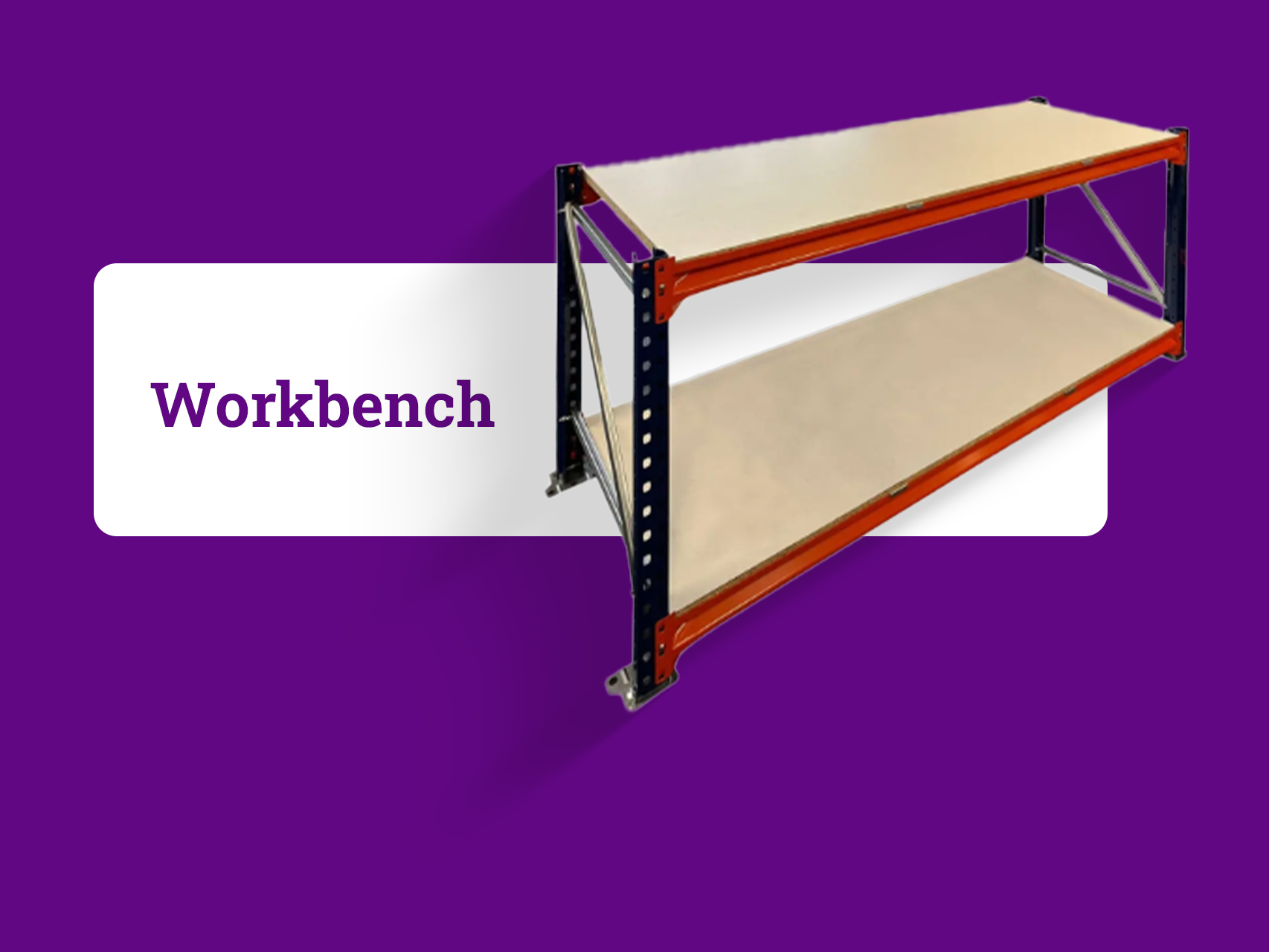
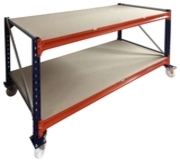 Industrial Workbench
  Value Workbench
 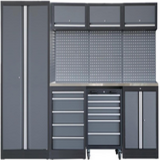 Modular Workstations
 Matting
  Metal Lockers & Benches
 Office
  Slatwall
  Cabinets
 Plastic Lockers
 Lean Products
 Mobile Steps
 Wall-Zone
 Longspan Racking
  Cantilever Racking
 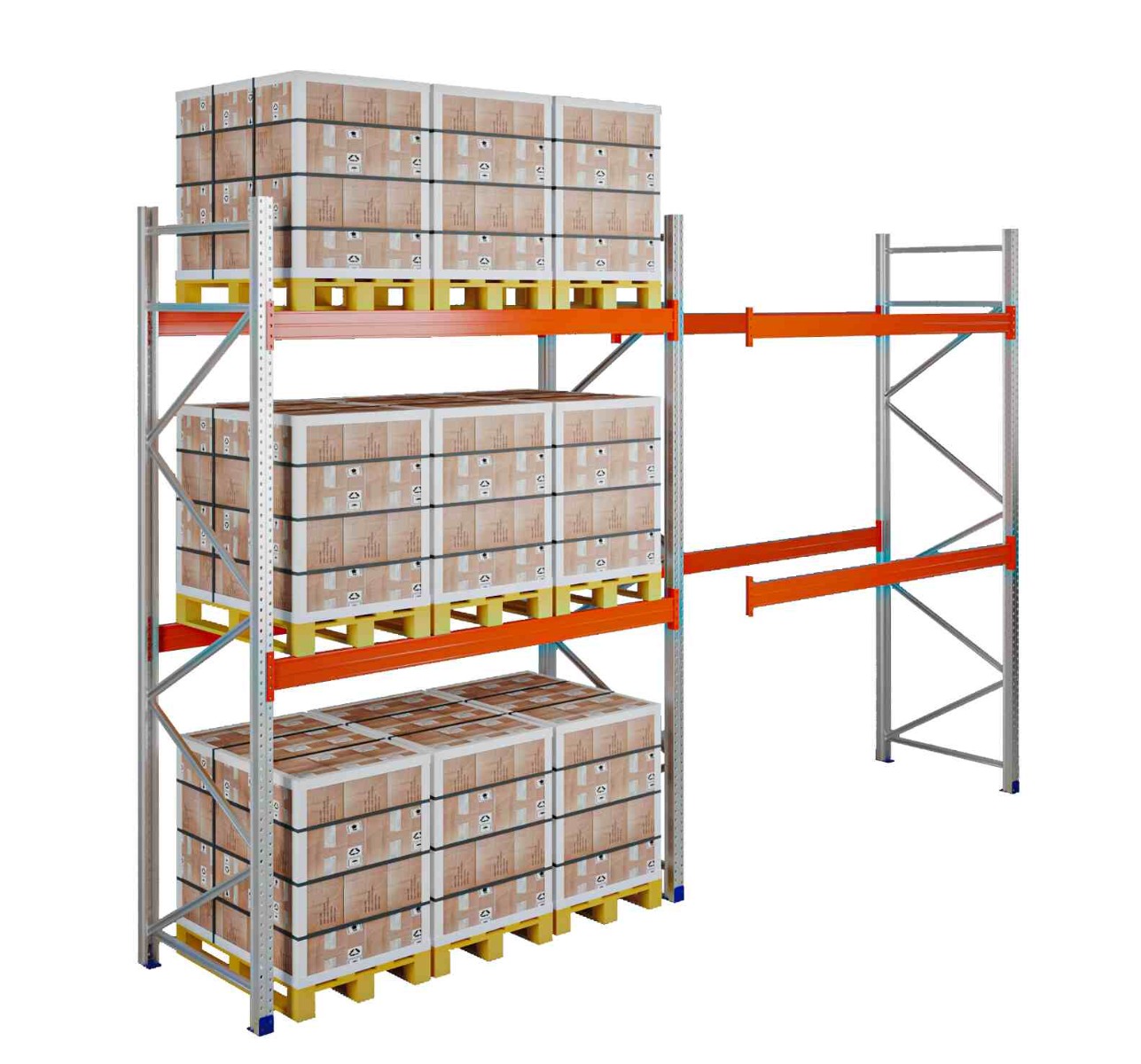 Industrial Pallet Racking
 Wire Mesh Decking
 Tyre Racking
 Vertical Storage
 Racking Accessories
 Up & Over Gates
 Containers & Boxes
  Louvre Panels
 Crystal Box Systems
 Parts Bins
  Euro Containers
 Visible Storage Boxes
  Foldable Crates
 Shelf Bin
 Tool Organiser

 Waste Management
 Cabinets
 Chemical & CoSHH Cabinets
  Hex Lighting
 Packaging
 Platform Trolleys
  Hand Trucks
  Pallet Trucks
  Plastic Pallets

Workbench Safety: Setup Tips for Compliance & Ergonomics

Estimated reading time: 7 minutes
Key Takeaways:
- Workbench safety matters for compliance, ergonomics and keeping your team safe.
- Common hazards include drawer injuries, overloading, sharp tools, chemical risks and trip hazards.
- Compliance means following weight limits, ensuring proper ventilation and keeping safety documentation.
- Ergonomic setup prevents injuries through proper height adjustment and tool placement.
- Regular maintenance checks and emergency preparedness keep your workplace safe.
A safe workbench setup isn't just about staying organised. It's about compliance, ergonomics and keeping your team out of harm's way. Getting the basics right makes all the difference: proper height adjustment, drawer safety, secure tool storage.
Whether you're managing a factory floor, setting up a garage workshop or running a repair station, your workbench configuration can prevent accidents and boost productivity. At RackZone, we've supplied industrial workbenches and workshop furniture across Ireland. We know how the right setup transforms workplace safety.
The Importance of Workbench Safety & Compliance
Workplace safety compliance isn't optional. It's the law under HSA Ireland regulations and EU workplace safety directives. These standards exist for good reason: workbench accidents can cause serious injuries, lost productivity and potential fines.
Even small workshops and home garages need safe setups. Accidents don't care about business size.
Think about what happens with poor workbench setups. Benches can tip when you overload drawers. Sliding mechanisms can cause finger injuries. Improperly stored chemicals create fire risks. Workers can develop repetitive strain injuries from bad ergonomics. You can prevent these accidents, but it takes planning and the right equipment.
That's why we build RackZone workbenches with stability and compliance at the core. Our modular workstations feature reinforced frames and proper weight distribution. They're designed to meet industry standards because we understand what real workshops need.
Common Workbench Safety Hazard
Drawer & Slide Hazards
Pinched fingers, tip overs and jammed drawers are common workplace injury risks. When you overload drawers, benches can become unstable. Opening multiple drawers at once increases tipping risk.
Safety tip: Close one drawer before opening another. Never exceed the manufacturer's weight limits.
Overloading & Weight Distribution
Exceeding weight limits stresses materials and creates instability. Uneven loading can make workbenches tip or collapse. It happens faster than you'd think.
Safety tip: Spread heavy items evenly across the bench surface. Store the heaviest gear in lower drawers to keep the centre of gravity low.
Sharp Tools & Loose Items
Badly stored cutting tools create laceration risks. Tools left on bench edges can fall and cause injuries. Loose items become tripping hazards.
Safety tip: Use tool holders, pegboards or drawer organisers. Secure sharp implements when they're not in use.
Chemical or Electrical Risks
Flammable substances, chemical fumes and electrical hazards are serious workshop risks. Store them wrong and you risk fires, toxic exposure or electrical accidents.
Safety tip: Keep chemicals in approved cabinets away from heat. Make sure electrical work areas have proper grounding and circuit protection.
Trip Hazards & Cables
Extension cords and cluttered floors cause falls. Badly routed cables can damage equipment. In busy workshops with multiple workstations, these hazards multiply.
Safety tip: Install cable management systems. Keep floors clear. Mark temporary cables with high visibility tape.
Setting Up for Compliance
Meeting official standards for industrial setups needs attention to detail. But compliance isn't just about avoiding fines. It's about creating a safe workspace.
Start with Material Safety Data Sheets (MSDS). Keep them accessible for any chemicals in your workspace. You'll need this information for emergency response and proper handling.
Working with electronics? You need anti-static (ESD) surfaces to prevent component damage and reduce fire risks. Ventilation and lighting are essential. If you're working with chemicals or creating dust, you need proper airflow. Your lighting levels should be adequate for detailed work. And always follow weight limits: our industrial workbenches display maximum load capacities clearly.
Ergonomics: Comfort That Prevents Injury
Ergonomics isn't a luxury. It's safety that helps prevent long-term injuries.
Poor ergonomic setup can contribute to musculoskeletal disorders. It can reduce productivity. It may increase sick leave. But you can help avoid these issues.
Workbench height comes first. The UK NHS Estates ergonomic guidelines state: ‘tasks should be completed with the hands at a height approximately equivalent to the user's seated elbow height.’ Standing work? Set your bench so your elbows sit at roughly 90 degrees when working. This adjustment can help reduce strain and support neutral posture.
Our adjustable value workbenches let you customise height for different users and tasks.
Arm reach zones matter. Keep frequently used tools within easy reach. No stretching. Organise in zones: daily items at arm's length, occasional items within standing reach, rarely used gear in overhead storage or lower drawers.
Seating posture is important for seated work. You need legroom beneath the bench. Use adjustable chairs that support your lower back. The NHS guidelines say benches ‘should be of sufficient height to allow the user to position their legs comfortably beneath the bench surface.’
Lighting and visibility affect safety and quality. Position task lighting to reduce shadows. Computer screens should sit at eye level to help prevent neck strain.
Quick Check: Is your workbench level and stable? Uneven benches can contribute to strain injuries. Use adjustable feet to fix uneven floors.
Maintenance & Routine Checks
Regular maintenance helps prevent accidents. Create a monthly checklist:
Check drawer slides for bent rails, debris or wear signs. Clean slides with a dry brush. Apply lubricant according to manufacturer specifications. Make sure drawer locks work properly and safety stops prevent complete slide out.
Test castors on mobile workbenches. They should roll smoothly and brake properly. Our industrial workbenches with wheels need regular castor inspection for mobility and stability.
Verify weight limits stay visible. Staff should understand load capacities. Look for potential overloading signs: sagging surfaces, stressed joints, stiff drawers. Tighten loose bolts. Replace worn components when needed.
Check electrical outlets and cord management for damage. Test emergency stop buttons if you have them. Clean work surfaces regularly. Build-up can create slip and fire hazards.
Emergency Preparedness
Every workshop needs accessible emergency equipment and clear procedures.
Position first aid kits within easy reach of all workstations. Keep them stocked. Everyone should know where they are. Mount an appropriate fire extinguisher near your workbench area. Choose the type that matches your hazards: electrical, chemical or general.
Keep spill kits or absorbent material ready for chemical spills. Even small leaks can create slip hazards or toxic exposures. Post emergency numbers and evacuation procedures clearly. Don't hide them behind equipment.
Training matters as much as equipment. Don't assume staff know how to use safety gear. Provide regular emergency response training. Run practice drills. Everyone needs to know evacuation routes and assembly points.
Consider adding an 80 litre yellow waste bin for hazardous materials disposal. Proper waste segregation helps prevent chemical reactions and supports environmental compliance.
Pro Tip: Keep frequently used tools between shoulder and waist height. This adjustment can help reduce workplace injuries.
Final Thoughts
When your workbench is safe, compliant and ergonomic, it's not just ticking boxes. It's building productivity foundations.
Quality benches and good safety habits keep your team efficient and protected. The right setup helps prevent injuries, reduces downtime and creates workspaces where people focus on work, not hazards.
Safety is ongoing, not one-time. Regular checks, proper training and quality equipment create safer work environments. Whether you're fitting out a new facility or upgrading workstations, prioritising safety can deliver results in productivity, compliance and team wellbeing.
Explore RackZone's full range of industrial and ergonomic workbenches built for safety, strength and compliance: from sturdy timber topped models to complete modular workstation systems. We design each bench for Irish businesses, meeting real workshop demands while focusing on safety standards.