

 Value Shelving
  Chrome Shelving
 Warehouse Shelving
 Industrial Shelving
 Garage Shelving
 Metal Shelving
  Plastic Shelving
 HORECA
 Galvanised Shelving
 Industrial Workbench
  Value Workbench
  Modular Workstations
 Matting
  Metal Lockers & Benches
 Office
  Slatwall
  Cabinets
 Plastic Lockers
 Lean Products
 Mobile Steps
 Wall-Zone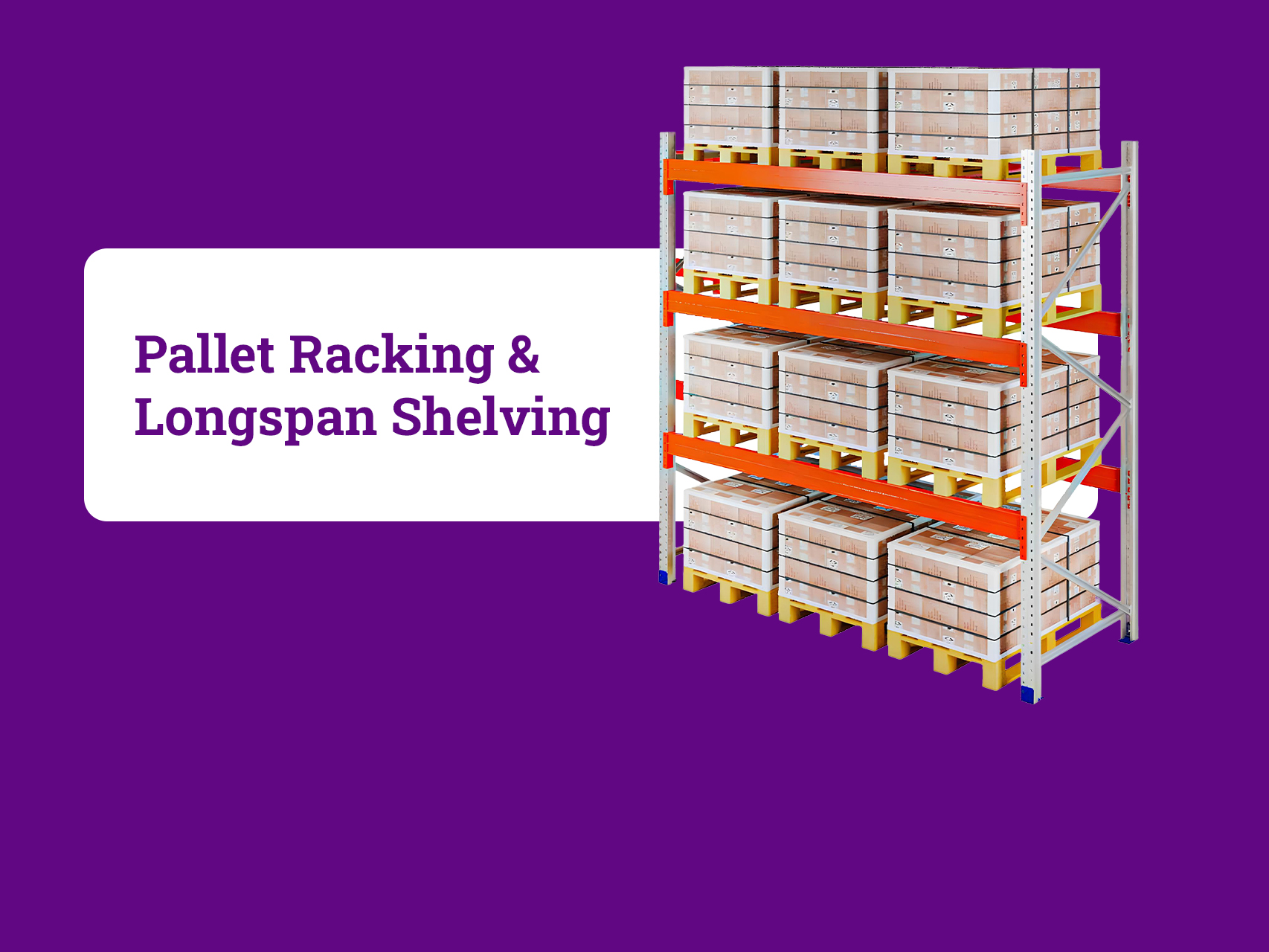
 Longspan Racking
  Cantilever Racking
 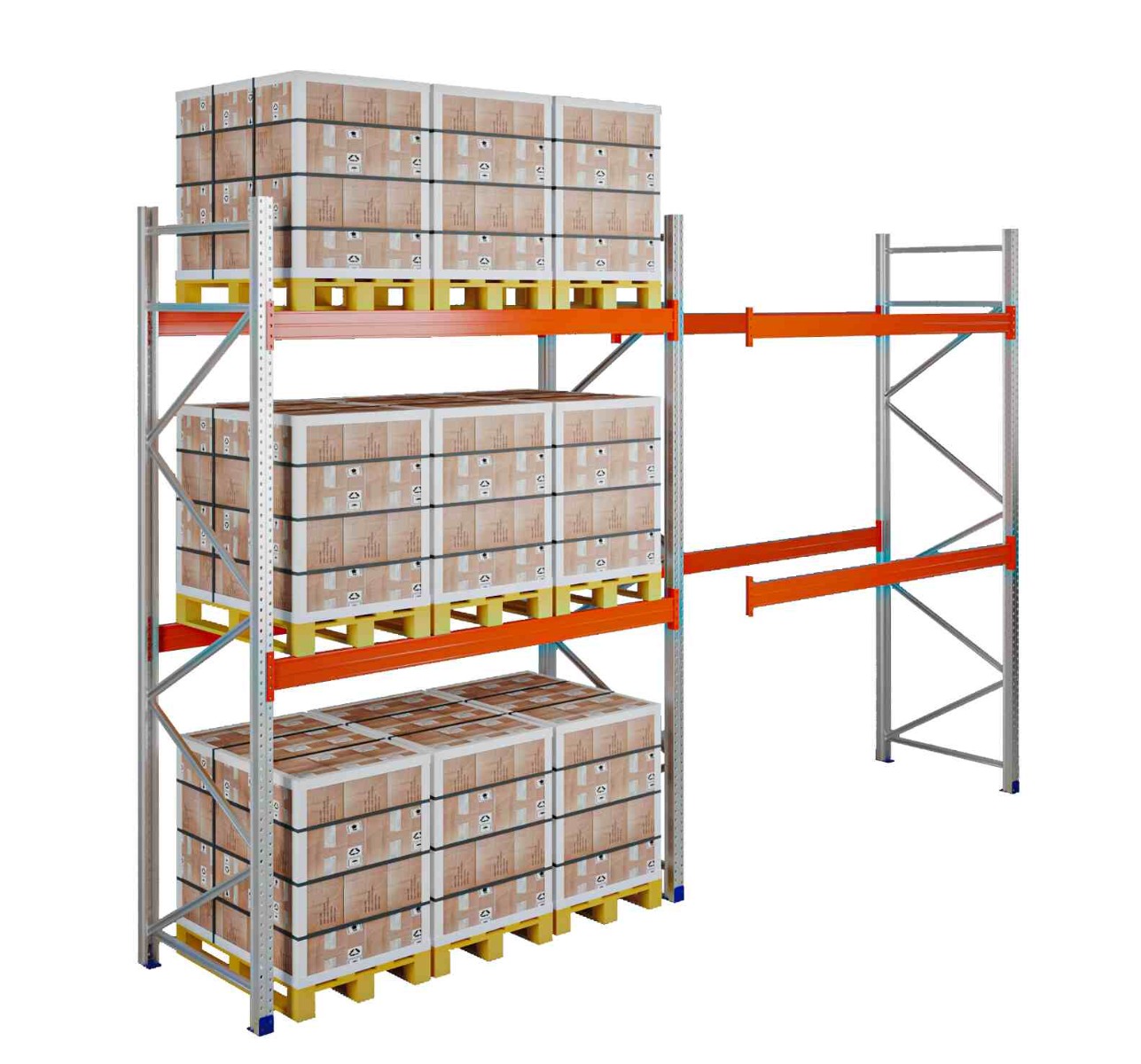 Industrial Pallet Racking
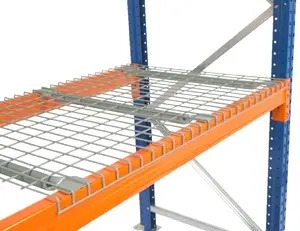 Wire Mesh Decking
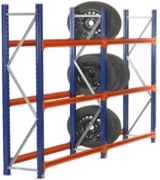 Tyre Racking
 Vertical Storage
 Racking Accessories
 Up & Over Gates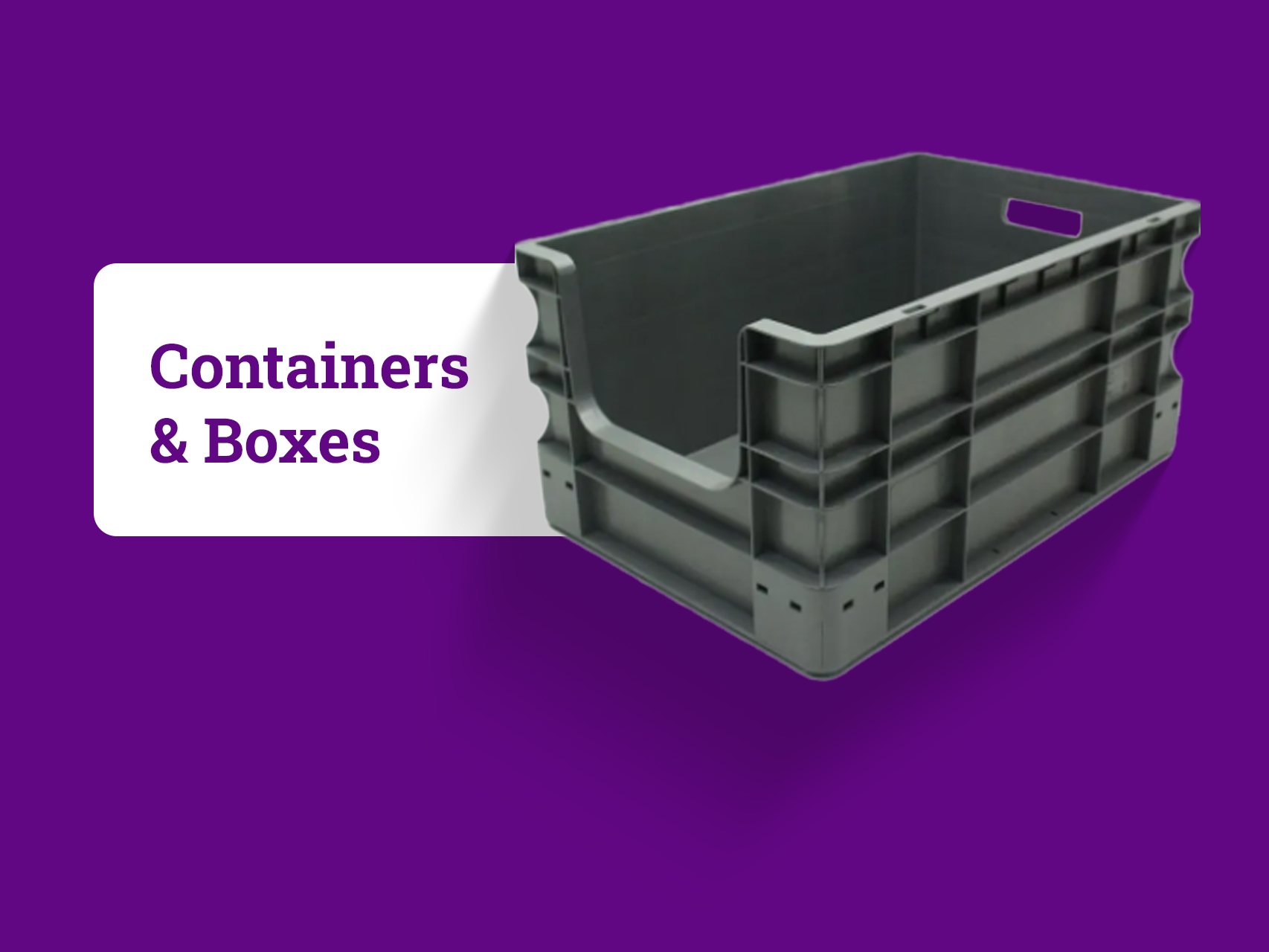
 Containers & Boxes
  Louvre Panels
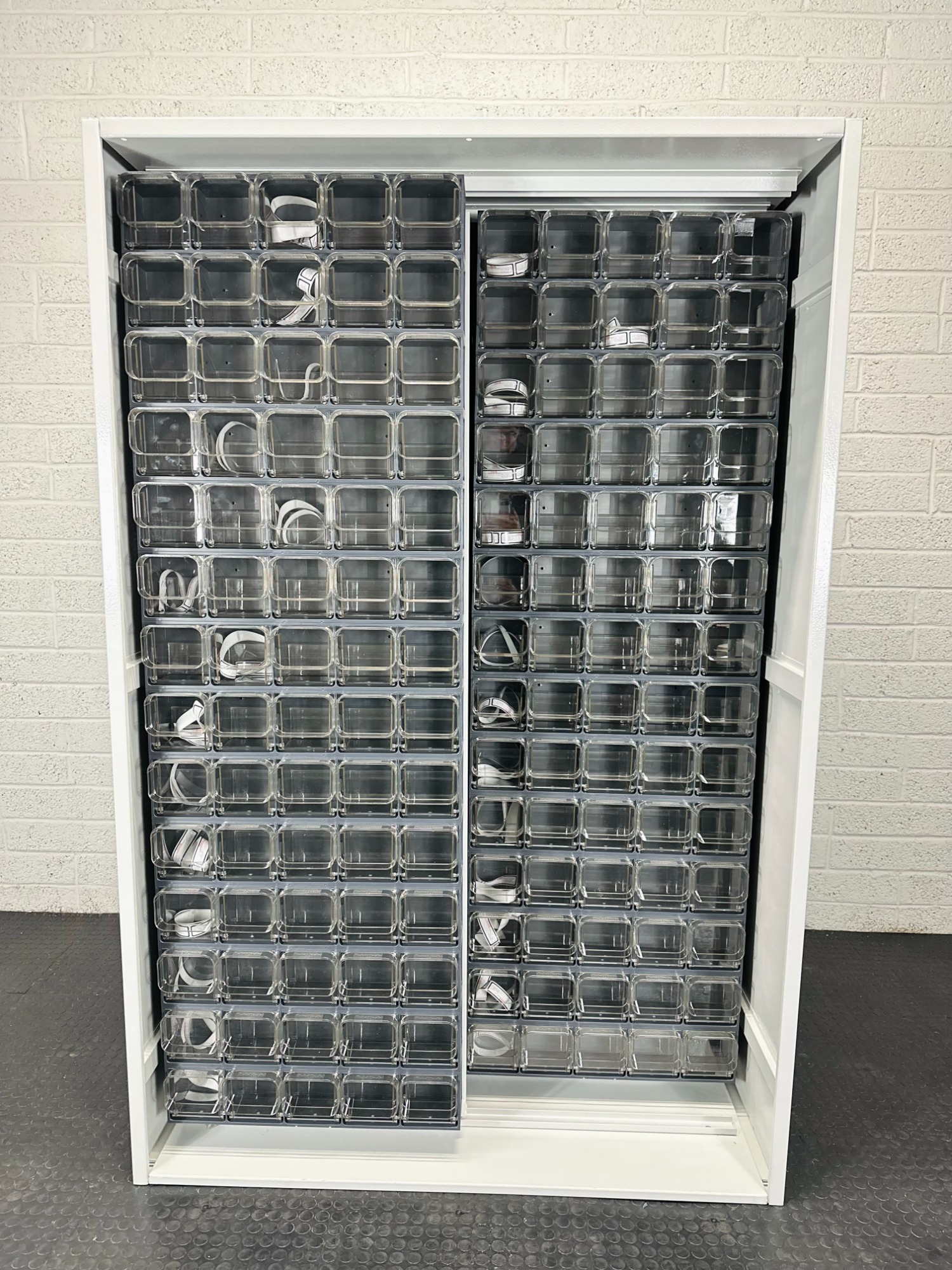 Crystal Box Systems
 Parts Bins
  Euro Containers
 Visible Storage Boxes
  Foldable Crates
 Shelf Bin
 Tool Organiser

 Waste Management
 Cabinets
 Chemical & CoSHH Cabinets
  Hex Lighting
 Packaging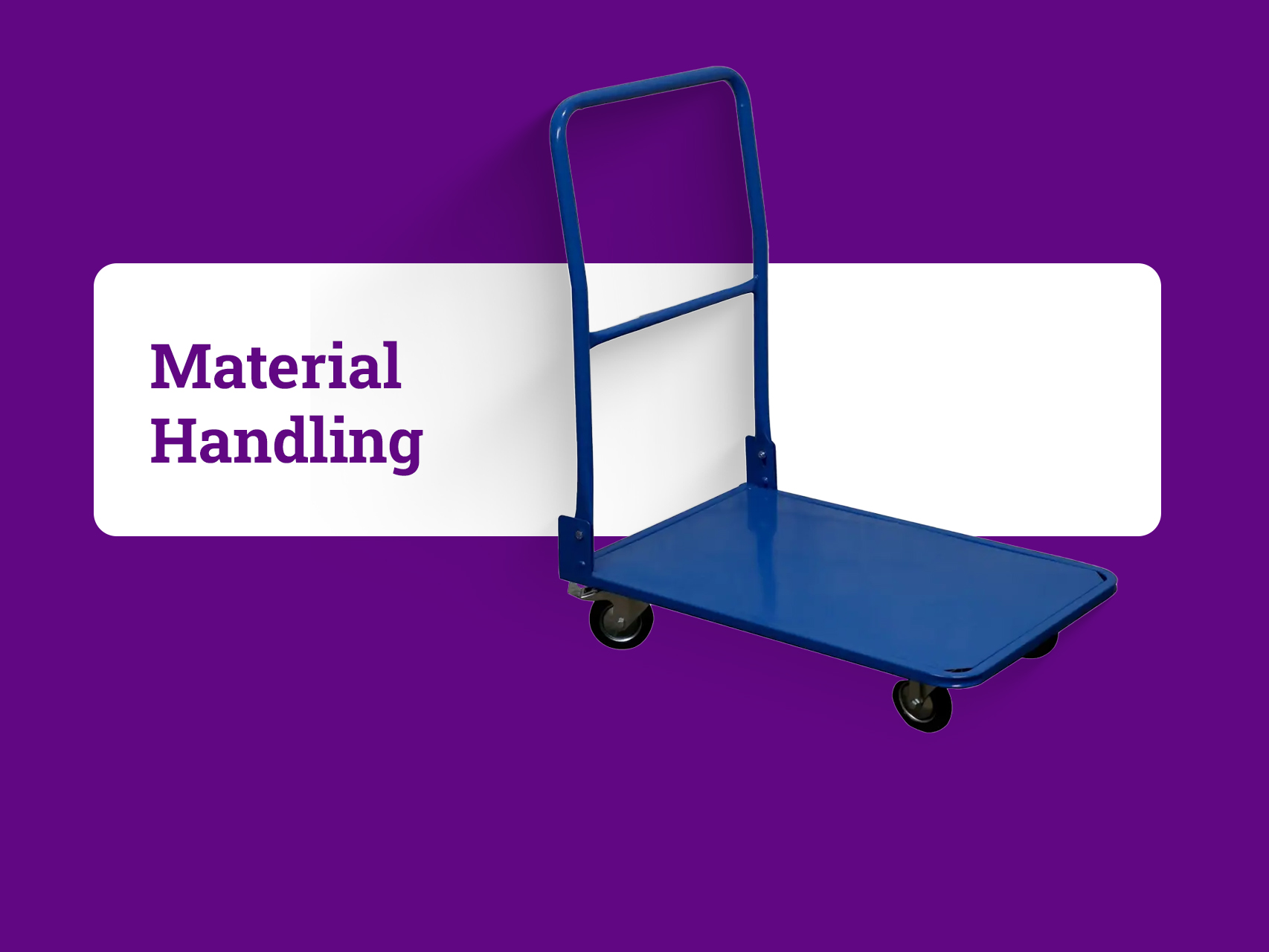
 Platform Trolleys
  Hand Trucks
  Pallet Trucks
  Plastic Pallets

Which Shelving System Is Right for Your Sector?
Estimated reading time: 7 minutes
Key Takeaways
- Measure your space, count SKUs and understand load requirements before choosing any shelving system.
- Warehouses need durable, high density solutions like industrial shelving and long span systems.
- HoReCa kitchens require galvanised, food safe shelving that withstands cleaning and moisture.
- Offices and archives benefit from light to medium duty value shelving for documents and supplies.
- Garages and home workshops get the best value from adjustable garage shelving and plastic units.
- Cold rooms and damp environments demand galvanised shelving to prevent rust.
- Always factor in safety compliance, floor fixings and future growth capacity.
Too many businesses buy the wrong shelving. They chase the lowest price or grab the first system that looks right, then face problems: shelves sag under the load, cleaning becomes impossible, or forklifts can't reach the top level. This guide matches shelving systems to real-world sectors so you get safe, efficient storage that fits how you work. We supply and install shelving across Ireland and Northern Ireland, with next-day delivery and expert advice included.
How to Choose Shelving
Before you order, run through this checklist.
- Measure floor area and ceiling height: know the exact footprint and vertical clearance
- Count SKUs and calculate weights: determine load per shelf and total system capacity
- Decide selectivity vs density: do you need to pick individual items or store bulk pallets?
- Confirm access method: forklift, pallet truck or manual handling?
- Check environment needs: hygiene, fire rating, temperature, moisture
- Mobility vs fixed: will you reconfigure layouts or keep shelving permanent?
- Plan for growth: consider spare capacity in your first layout
The Best Shelving for Each Use Case
Warehouses & Distribution Centres: Maximise Density, Durability and Picking Efficiency
Warehouse operations demand robust systems that handle heavy loads, optimise vertical space and support fast picking. You're storing pallets, cartons and components that must be accessible without slowing down dispatch cycles.
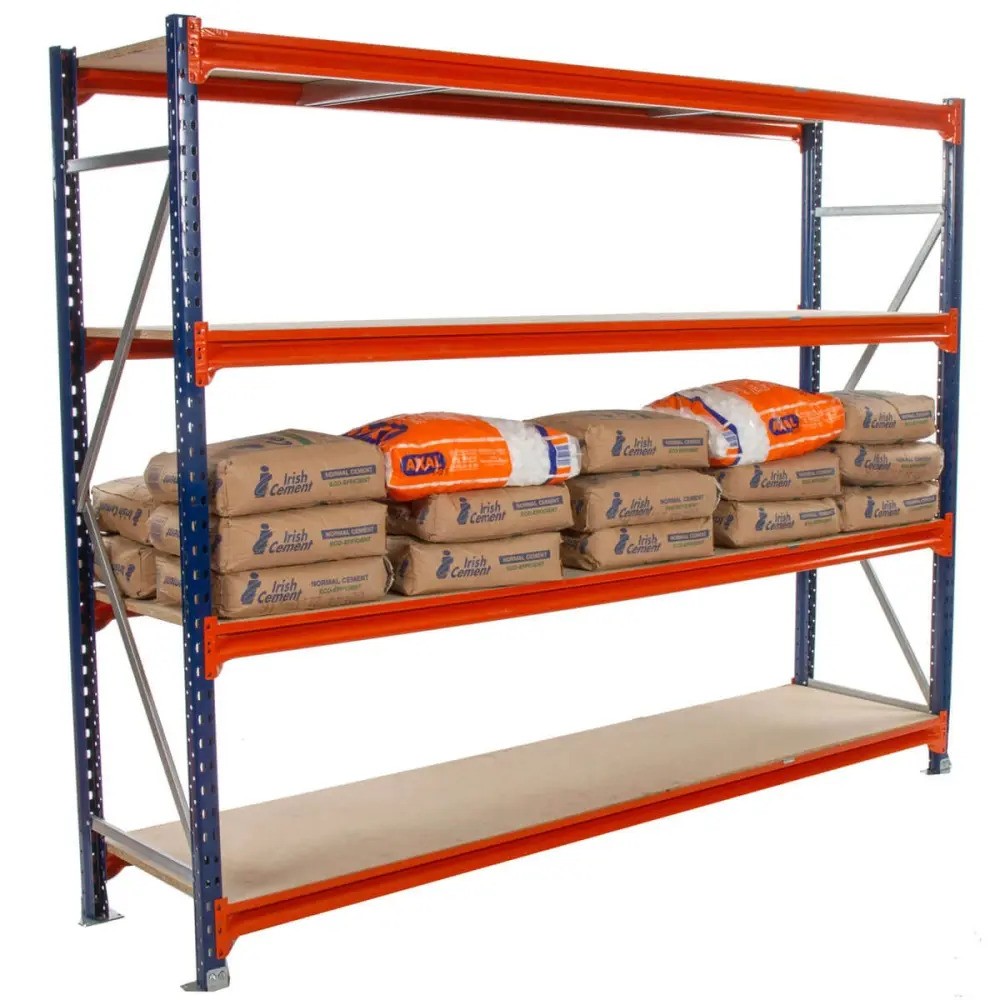
Recommended systems: Industrial shelving for hand-loaded stock, warehouse shelving for long span applications and pallet racking for high-density pallet storage. Long span shelving bridges wide bays without intermediate uprights. Perfect for bulky items.
Key features to check: Load per shelf ratings, beam adjustability and wire mesh decking to prevent product fall through. Always anchor heavy bays to the floor and fit row spacers for back to back installations.
- Pro tip: Plan for future growth. Consider spare capacity in your first layout.
For compact warehouses, review our guide to maximising shelving for small warehouses to learn density tricks and layout strategies.
Industrial Workshops & Manufacturing: Heavy Duty Shelving and Safety Fixes
Workshops handle tools, raw materials, WIP components and finished goods. You need tough metal shelving that survives impacts, oil exposure and daily handling without buckling.
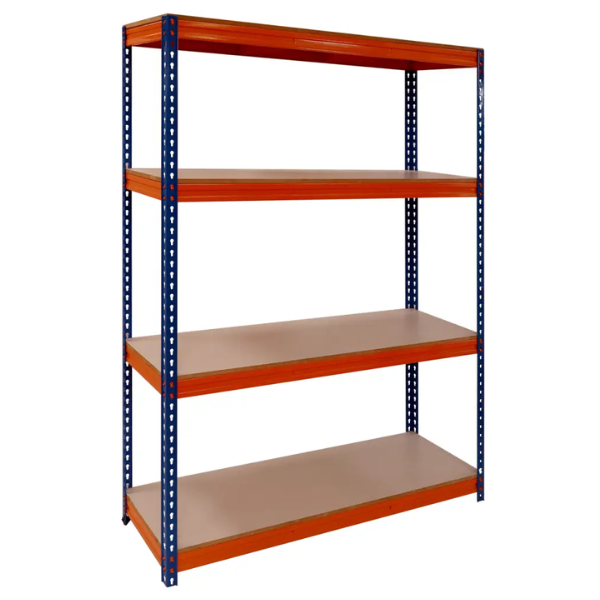
Recommended systems: Heavy-duty units and industrial shelving with high weight capacities per shelf. Look for powder-coated steel frames and adjustable shelf heights to accommodate different component sizes.
Key features to check: Anti-corrosion finishes, reinforced uprights and footplates for stability on uneven workshop floors. Add plastic bins or tilt bins to organise small parts without drilling extra holes.
Install end-of-row protectors if forklifts operate nearby. Always bolt heavy bays to concrete floors using chemical anchors or expanding bolts.
Retail and Store Rooms: Display Friendly and Accessible Shelving Solutions
Retail environments need shelving that looks clean, allows easy stock rotation and adapts to changing product lines. Back of house stock rooms require high density storage with quick access for replenishment.
Recommended systems: Chrome wire shelving for display areas. It's sleek, modern and provides air circulation. For stock rooms, use long span industrial shelving or value shelving to maximise vertical space without sacrificing accessibility.
Key features to check: Open wire decks prevent dust accumulation and improve visibility. Adjustable shelves let you reconfigure heights as product sizes change. Consider castors for mobile display units that you can reposition during promotions or seasonal changes.
Chrome finishes resist rust and wipe clean easily.
HoReCa (Kitchens, Bars & Hospitality): Hygienic, Easy to Clean Shelving
Commercial kitchens, bars and hospitality venues face strict hygiene regulations. Shelving must withstand frequent cleaning, moisture, temperature swings and food contact without corroding or harbouring bacteria.
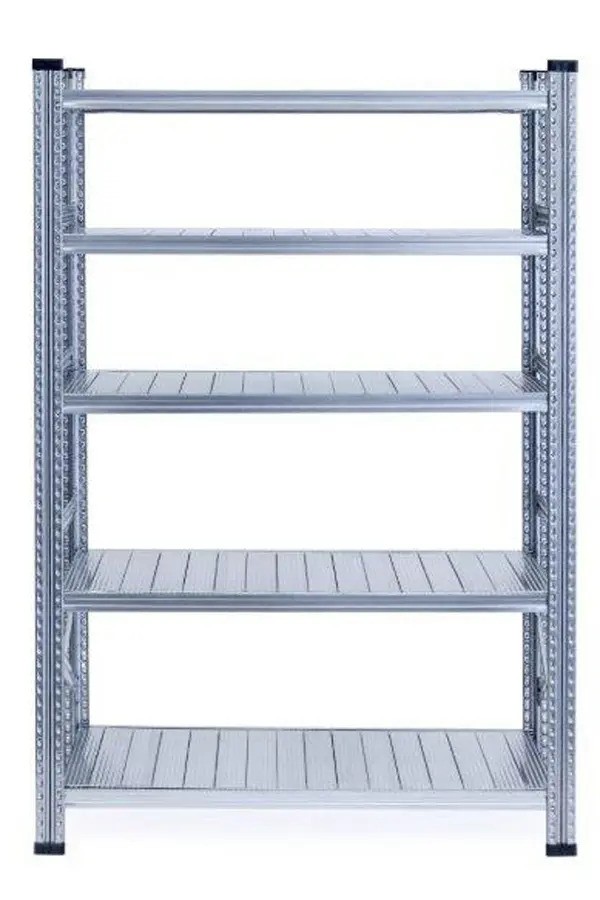
Recommended systems: Galvanised shelving with wire decks provides rust proof storage that meets food safety standards. Chrome wire units also work well in dry storage and front of house areas. Visit our HoReCa shelving category for food approved options.
Key features to check: Galvanised or stainless steel construction, open wire decks for drainage and air flow and adjustable feet to compensate for uneven kitchen floors. Ensure all materials comply with food contact regulations.
Avoid chipboard or MDF decking in wet areas. Moisture causes swelling and harbours bacteria. For detailed buying advice, read our HoReCa shelving buying guide and HoReCa kitchen shelving guide.
- Pro tip: Always fix uprights on heavy-load systems. Footplates and chemical anchors improve safety.
Offices & Archives: Light to Medium Shelving for Documents and Storage
Offices need compact, cost-effective shelving for files, stationery, samples and equipment. Archive rooms require stable systems that protect documents from damp and allow easy retrieval.
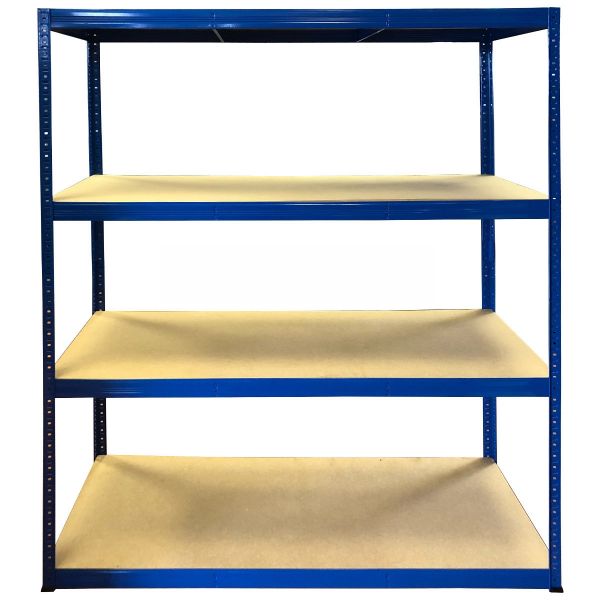
Recommended systems: Value shelving offers capacity at competitive prices. Office and home shelving provides tidy, professional-looking storage for shared spaces.
Key features to check: Boltless assembly for quick setup, chipboard or steel decking for flat storage surfaces and adjustable shelf heights to accommodate box files, lever arch folders and binders.
For high-volume archives, consider mobile shelving on rails to double capacity in the same footprint. Add backing panels to prevent items falling behind shelves.
Garages, Workshops & Residential Storage: Versatile, Value Options for DIYers
Home garages and DIY workshops need flexible shelving that handles everything from paint tins to power tools, garden equipment to seasonal decorations.
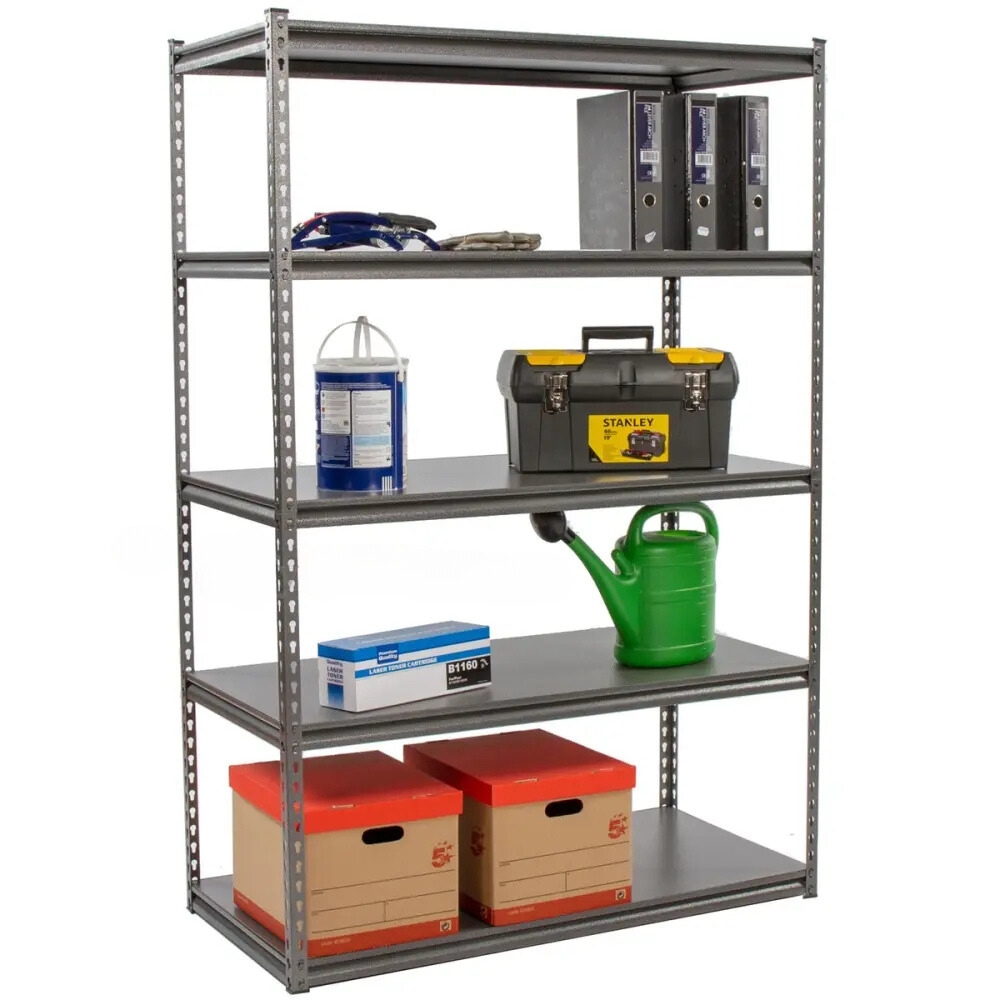
Recommended systems: Garage shelving provides robust, adjustable storage at home friendly prices. Plastic shelving offers lightweight, rust proof alternatives for sheds and damp garages.
Key features to check: Easy assembly without specialist tools, adjustable shelf positions and appropriate capacities for typical household loads. Plastic units resist moisture and chemicals better than steel in unheated spaces.
Value shelving with chipboard decks works well in dry garages. Galvanised or plastic units suit outdoor sheds and damp environments. Add castors if you need to move units for cleaning or reorganising.
Cold Rooms & Freezers: Galvanised and Food Safe Shelving Options
Cold stores and freezers create harsh conditions. Moisture condenses on surfaces, temperatures swing dramatically and standard finishes rust within months.
Recommended systems: Galvanised shelving with hot dipped zinc coating resists corrosion in sub zero temperatures and high humidity. Wire decks allow cold air circulation and prevent ice build up.
Key features to check: Full galvanised construction including uprights, beams and decking. Avoid painted finishes because they chip and expose steel to moisture. Use plastic or nylon shelf clips instead of steel pins to prevent cold welding in freezer temperatures.
Ensure shelving complies with food contact regulations if you're storing unwrapped produce. Plan aisle widths to accommodate handling equipment when workers wear thermal clothing.
Speciality Use Cases: Tyre Racking, Long Span, Mezzanine and Multi-Tier Solutions
Some operations need shelving designed for specific products or layouts: tyre storage, long items like timber or piping, or multi level picking systems.
Recommended systems: Longspan shelving handles bulky items across wide bays. Tyre racking stores wheels vertically without deformation. Mezzanine and multi tier systems double or triple floor space by adding elevated picking levels.
Key features to check: Beam length and capacity for long span units, specialised tyre arms with protective coatings and load rated mezzanine floors with access stairs and safety rails.
For guidance on comparing shelving types, read our article on picking the right shelving type.
Load Classes, Dimensions & Site Planning
Understanding load classes prevents dangerous overloading and premature system failure. Shelving systems typically fall into broad categories based on weight capacity per shelf.
Measure these dimensions before ordering:
- Floor area: length, width and any obstructions (columns, doors, services)
- Ceiling height: determines maximum bay height and number of shelf levels
- Aisle width: must accommodate handling equipment and allow safe access
- Pallet footprints: standard Euro pallets are 1,200 × 800 mm
- First beam height: should match common handling heights for hand picking
Factor in floor fixings and row spacers for heavy systems. Check concrete floor thickness because some installations require chemical anchors rated for the total load.
Always consider spare capacity for business growth. Design your system with future expansion in mind to avoid costly reconfiguration.
Mobility, Flexibility & Modularity
Fixed shelving suits stable operations with predictable storage needs. Mobile and modular systems provide flexibility when requirements change seasonally or as your business grows.
Boltless shelving assembles without tools using interlocking clips or wedges. You can adjust shelf heights, add extra levels or relocate entire bays quickly. This suits offices, retail stock rooms and light duty warehouses where layouts change frequently.
Mobile shelving on castors moves to create temporary aisles or shift display units during promotions. Ensure castors are rated for the total loaded weight and include locking mechanisms to prevent unwanted movement.
Modular pallet racking lets you reconfigure beam levels, add bays or change aisle widths without replacing the entire system. This future-proofs your investment and adapts to new product lines or handling equipment.
Common accessories enhance functionality:
- Wire mesh decking prevents small items falling through beams and improves fire safety
- Plastic bins and tilt bins organise small parts on shelving without drilling
- Backplates and side panels enclose shelving for security or dust protection
- Doors and locking fronts secure valuable stock in open warehouses
- Workbench tops convert shelving bays into packing or assembly stations
Explore plastic shelving for lightweight, mobile storage and metal shelving for heavy-duty modular systems.
Safety & Compliance
Heavy shelving presents risks if you install it incorrectly.
Floor fixings: Anchor all heavy duty shelving to concrete floors using expanding bolts or chemical anchors. Footplates distribute loads but don't prevent toppling under side impact or uneven loading.
Row spacers: Connect back-to-back bays with horizontal ties to prevent independent movement and increase lateral stability.
Load ratings: Never exceed shelf capacity ratings. Distribute weight evenly across the shelf depth and avoid concentrating heavy items on one side.
End of row protection: Fit impact guards where forklifts operate to prevent column damage from accidental impacts.
Ergonomics: Place frequently accessed items at waist to shoulder height to reduce bending and reaching injuries. Store heavy items on lower shelves and lighter stock above.
We offer professional installation services across Ireland and Northern Ireland. Our installers ensure compliance with EU regulations and safety standards, giving you peace of mind that your system is secure and fit for purpose.
Quick Buying Checklist
Before ordering shelving, work through this checklist:
- Take photos of the installation area showing floor, ceiling and obstructions
- Measure dimensions including length, width, height and aisle requirements
- Count product types and note typical dimensions, weights and quantities
- Identify handling equipment used (forklifts, pallet trucks, manual handling)
- Set load per shelf based on heaviest items stored on each level
- Confirm environment conditions (humidity, temperature, chemical exposure)
- Choose finish: galvanised for wet rooms, painted for dry environments
- List protective accessories needed (decking, guards, bins, backplates)
- Ask about installation services and whether site surveys are included
- Check delivery windows: we offer next-day delivery on orders before 3pm
The right shelving system solves productivity, safety and space problems. Choose based on your sector's specific requirements: load capacity, environment, access method and future growth. Don't compromise on quality to save a few pounds. Poor shelving causes accidents, damages stock and costs more to replace.
If you're unsure which system suits your needs, we offer free consultations, site surveys and CAD layouts for larger projects. Explore our complete shelving range or contact our team for a quote. We deliver across the Republic of Ireland and Northern Ireland with next day service on orders before 3pm.
Frequently Asked Questions (FAQs)
How much weight can a shelf hold?
Shelf capacity varies depending on the system and manufacturer. Always check the manufacturer's Uniformly Distributed Load (UDL) rating for the specific product. Visit our industrial shelving category to compare load capacities.
Should shelving be bolted to the floor?
Heavy duty shelving should be fixed to concrete floors using expanding bolts or chemical anchors. Light office shelving usually only needs footplates for stability. Floor fixings prevent toppling and meet health and safety requirements in commercial premises.
Which shelving is best for cold or food storage areas?
Galvanised shelving with hot-dipped zinc coating resists corrosion in cold rooms, freezers and high-humidity environments. Choose wire mesh decking to allow air circulation and prevent ice buildup. Ensure materials comply with food contact regulations if you're storing unwrapped produce. See our galvanised shelving range for food-approved options.
Can I reconfigure shelving later?
Boltless and modular shelving systems allow easy reconfiguration without tools. You can adjust shelf heights, add extra levels or relocate bays as needs change. Welded or bolted systems offer less flexibility but provide greater strength for heavy loads. Choose modular designs if you anticipate layout changes.
What's the difference between value shelving and industrial shelving?
Value shelving suits lighter loads in offices, archives and home garages. Industrial shelving handles heavier capacities with reinforced frames for warehouses and workshops. Industrial systems typically offer more adjustment options and accessories.