


When did you last look (really look) at the shelving holding up your stock? Most shelving safety checks happen once. On installation day. After that? Nothing. And that's the problem. The damage that causes accidents doesn't show up on day one. It creeps in slowly. A dent here, a loose connector there, a shelf carrying more weight than it was built for.
Our shelving range is built to last, but even the toughest system needs someone keeping an eye on it. This guide walks you through what to check each month, so small issues get caught before they turn into big ones.
- Why Monthly Shelving Safety Checks Matter More Than You Think
- What To Inspect Monthly: A Practical Shelving Checks Routine
- How To Manage Shelving Maintenance Without It Becoming A Chore
- Provide Proper Training On Shelving Safety From Day One
- Invest In The Right Shelving System From The Start
- Ensure Your Shelving Systems Meet Regulations
- Carry Out Regular Shelving Inspections As Standard Practice
- How often should I inspect my shelving?
Why Monthly Shelving Safety Checks Matter More Than You Think
If a shelf collapsed tomorrow, would you know why?
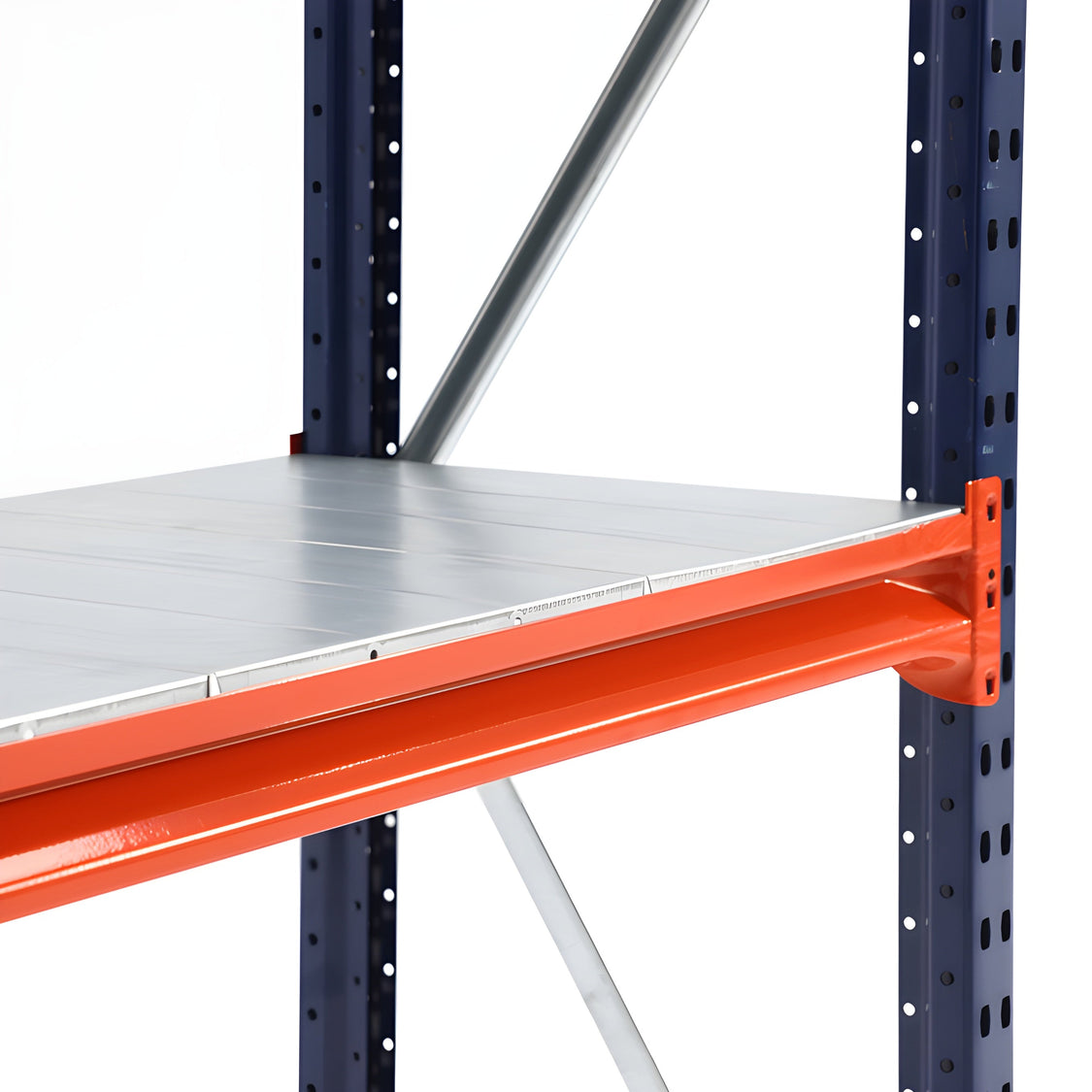
Most warehouse managers assume shelving failures happen suddenly, out of nowhere. They don't. They build up. A forklift clips an upright in March. Nobody flags it. By August, that same upright has bowed just enough to pull the whole bay out of true. Shelving safety checks exist to catch that slow slide before it becomes a serious problem.
The Three-Layer Approach: Daily, Monthly, Annual
Good shelving safety isn't one check. It's three checks, working together. Each one catches what the last one missed.
Daily
A quick visual scan by whoever's using the shelving that day.
Periodic (often monthly)
A proper shelving inspection, carried out by someone who knows what damage looks like. Depending on how busy your warehouse is, this might run weekly or monthly.
Annual
A formal review, often with a technically competent person or engineer.
This guide focuses on that middle layer, run on a monthly basis. It's the one that gets skipped most. It's also the one doing most of the heavy lifting.
What To Inspect Monthly: A Practical Shelving Checks Routine
So, what should you actually be looking at once a month? Grab a torch, wear decent boots and work through the shelving system bay by bay. Here's where to start.
Uprights and Frames: Check For Damage At Ground Level
Start low. Ground level is where forklifts, pallet trucks and general warehouse traffic do most of the damage. Give it your full attention first. Look for dents, bowing or any bend that wasn't there before. A simple rule: if a dent's deeper than the steel itself, that bay comes out of service until someone's checked it properly. No exceptions.
Beams and Connectors: Look For Sagging Or Loose Fittings
Run your eyes along every beam. Does it sit level? Square? Any sag under load is worth checking straight away. Locking pins and connectors work loose over time, especially on shelving that gets reconfigured often. Most warehouses fall into that category. If a beam's come away from its bracket, even slightly, fix it before that bay's used again.
Shelf Inspection: Load Capacity And Physical Condition
This is where shelf inspection earns its keep, because overloading rarely happens on purpose. It creeps up on you. A bit more stock added here, a heavier item stacked there, until the load on a shelf slips past what it was designed for. Check the load capacity notice on every bay, and be honest about what's actually sitting on it. Check the decking too, for cracks, rust or sagging, particularly if it's galvanised or wire mesh shelving working in a damp environment.
Anchor Points and Floor Fixings
Shelving unit safety isn't just about what's above the ground. It's about what's holding it there. Check that base plates sit flush and anchor bolts haven't worked loose. Warehouses with heavy forklift traffic or nearby machinery should treat this check as non-negotiable. Vibration is one of the sneakiest causes of fixings working loose over months.
Signage and Load Labelling
A faded or missing load sign matters more than people think. If a sign's been knocked off, hidden by stock or simply worn away, replace it before the next inspection. This ties directly into shelving inspection regulations too, for commercial and industrial storage. EN 15635 is the European standard covering in-service inspection and use of static steel storage systems, including industrial shelving and pallet racking. It calls for clear capacity marking on every bay, and demonstrating this kind of compliance matters during Health and Safety Authority investigations or inspections.
Aisle Clearance and Access Routes
Last on the list but far from least. Can you actually get to the shelving you're inspecting? Blocked aisles hide problems. They also slow down anyone trying to reach a bay in an emergency. Clear access isn't about tidiness for its own sake. It's what lets someone spot trouble early and get out of the way fast if something does go wrong.
If a dent's deeper than the steel itself, that bay comes out of service until someone's checked it properly. No exceptions.
”How To Manage Shelving Maintenance Without It Becoming A Chore
A monthly shelving inspection that isn't written down might as well not have happened. Keep it simple: date, what you checked, what you found, what you did about it. If an insurer or inspector ever asks whether you've been keeping on top of things, a proper log speaks louder than "yes, we check it regularly."
Assign the job clearly, too.
Whoever's doing the monthly check needs to know what to look for. They also need the authority to pull a bay out of service without asking permission first. That's one of the simplest tips for improving shelving safety. Nobody should have to wait for a sign-off to flag something dangerous.
Provide Proper Training On Shelving Safety From Day One
None of this works if the person checking doesn't know what to look for. Provide proper training on shelving safety as standard onboarding. Train everyone working around shelving, not just whoever does the formal monthly inspection.
A trained eye spots a dangerously bowed beam the second it sees it, not three weeks later at the next walk-round.
”Invest In The Right Shelving System From The Start
A lot of shelving problems trace back to one decision made years earlier. Choosing a system that doesn't fit the load, the space or how it's used sets you up for ongoing headaches. Investing in the right shelving system from day one saves years of firefighting. That might mean galvanised shelving for a damp store, or heavier industrial shelving for a busy warehouse. Get it right at the start. It's far easier than fixing something that was never quite right for the job.
Ensure Your Shelving Systems Meet Regulations
Your own checks matter, but they sit inside a wider framework. In Ireland, static storage systems, including industrial shelving, fall under EN 15635 for in-service inspection and use. The Health and Safety Authority oversees enforcement more broadly. Combine your daily and monthly routines with input from a technically competent person, keep clear records and you've got proof of how seriously you take storage safety.
Carry Out Regular Shelving Inspections As Standard Practice
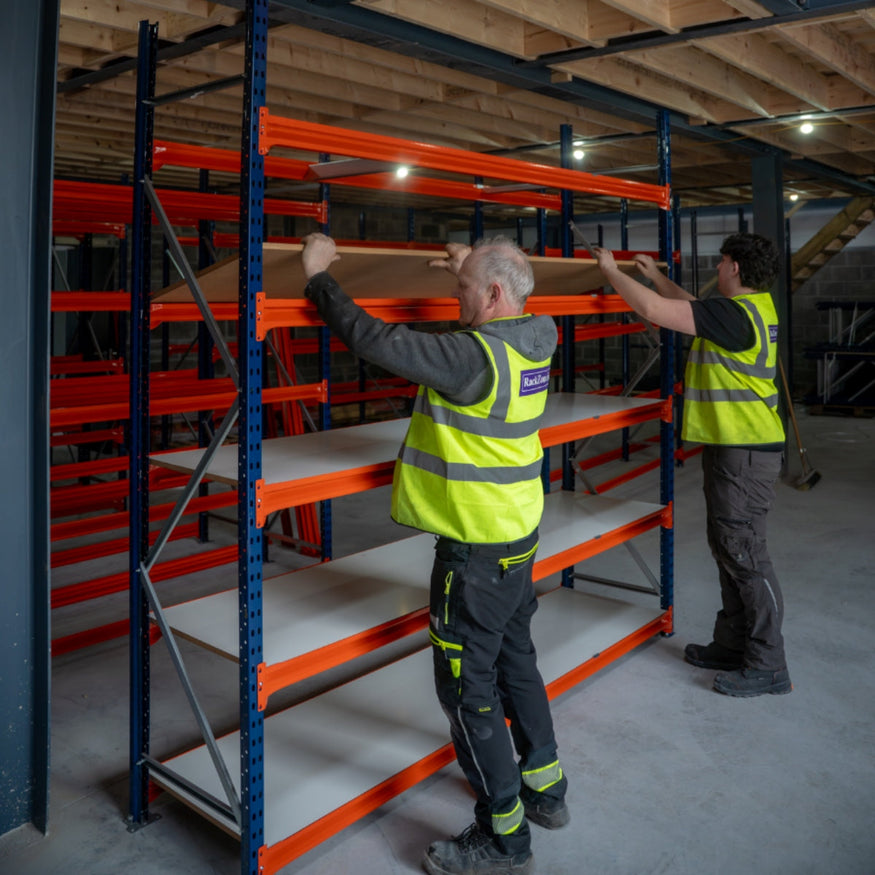
The businesses getting the most out of their shelving treat inspection as routine, not damage control after something's already gone wrong. Put it in the calendar. Give it an owner. Treat it with the same weight as any other part of workplace safety. It takes minutes compared to the hours (and the stress) a collapsed bay or an injured team member would cost.
Frequently Asked Questions
How often should I inspect my shelving?
Good shelving safety works on three layers: a quick daily visual scan by whoever's using it, a proper periodic inspection (often monthly, sometimes weekly in busier warehouses), and a formal annual review with a technically competent person or engineer.
What should I check on shelving uprights?
Start at ground level, where forklifts and pallet trucks do most of the damage. Look for dents, bowing or any new bend. If a dent is deeper than the steel itself, that bay should come out of service until it's been checked properly.
What is EN 15635?
EN 15635 is the European standard covering in-service inspection and use of static steel storage systems, including industrial shelving and pallet racking. It calls for clear capacity marking on every bay.
Who is responsible for monthly shelving inspections?
Whoever's assigned the job needs to know exactly what to look for, and needs the authority to pull a bay out of service without waiting for a sign-off if something looks dangerous.
Do I need to keep records of shelving inspections?
Yes. Keep it simple: date, what you checked, what you found, and what you did about it. A proper log speaks louder than a verbal assurance if an insurer or inspector ever asks.
What should I do if I find damaged shelving?
Take the affected bay out of service immediately until it's been properly checked — whether that's a bowed upright, a beam that's come away from its bracket, or a base plate that's no longer flush.
If you're setting up a new space or reviewing what you've already got, browse our full shelving range or give our team a call on +353 (0)90 9673261. We'll help you find a system that actually fits what you need to store, and how you need to store it.
