

 Value Shelving
  Chrome Shelving
 Warehouse Shelving
 Industrial Shelving
 Garage Shelving
 Metal Shelving
  Plastic Shelving
 HORECA
 Galvanised Shelving
 Industrial Workbench
  Value Workbench
  Modular Workstations
 Matting
  Metal Lockers & Benches
 Office
  Slatwall
  Cabinets
 Plastic Lockers
 Lean Products
 Mobile Steps
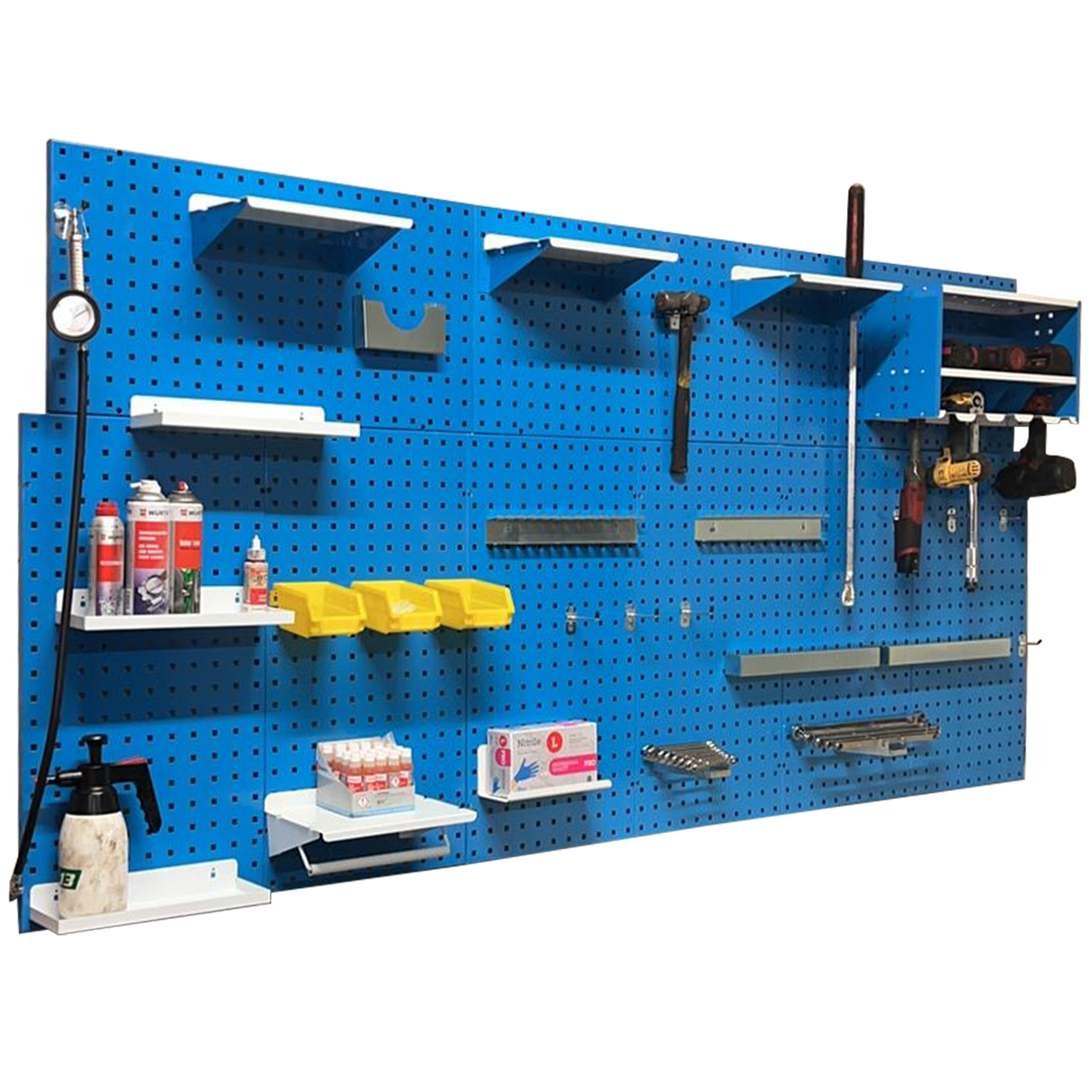 Wall-Zone
 Longspan Racking
  Cantilever Racking
 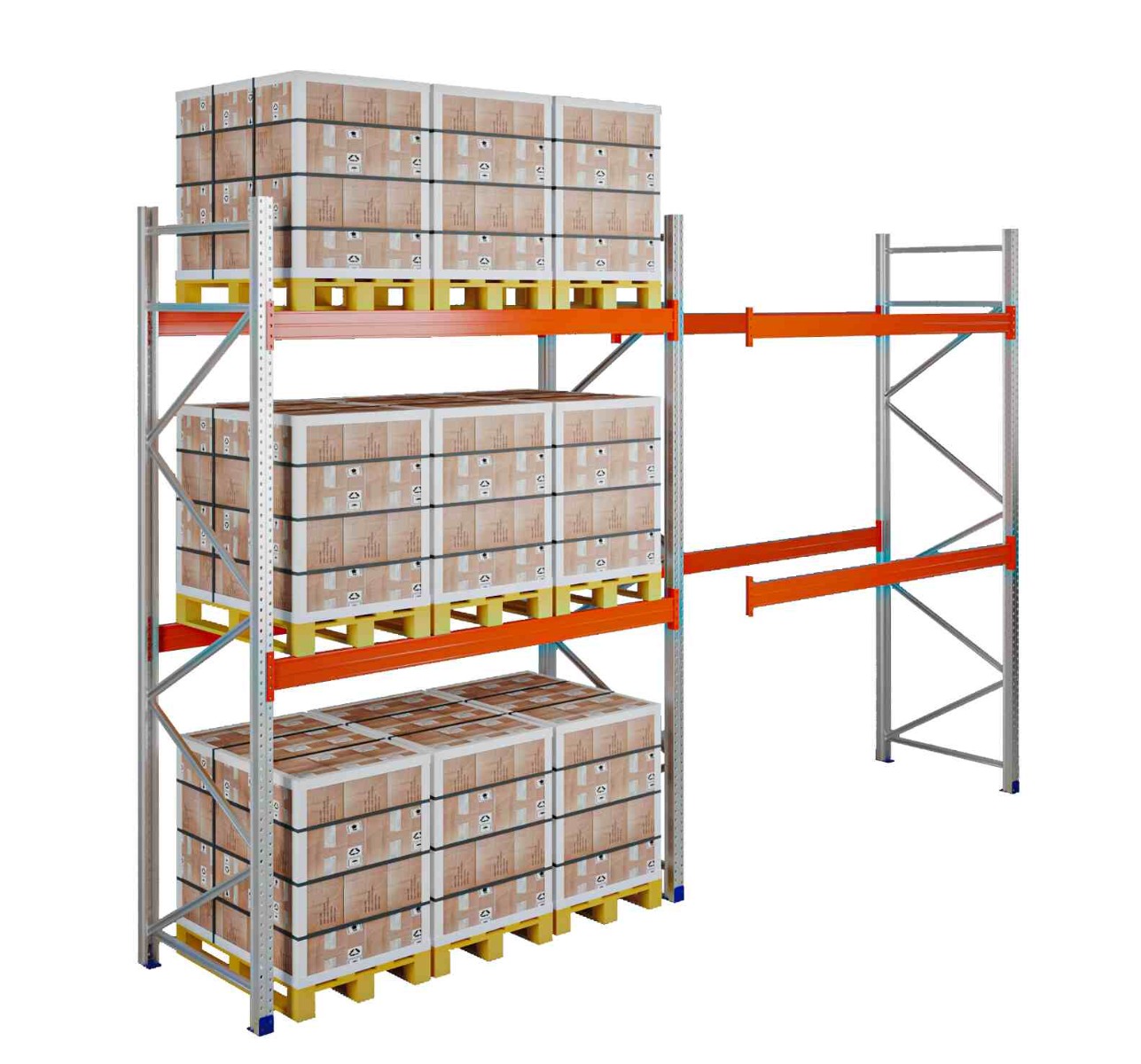 Industrial Pallet Racking
 Wire Mesh Decking
 Tyre Racking
 Vertical Storage
 Racking Accessories
 Up & Over Gates
 Containers & Boxes
  Louvre Panels
 Crystal Box Systems
 Parts Bins
  Euro Containers
 Visible Storage Boxes
  Foldable Crates
 Shelf Bin
 Tool Organiser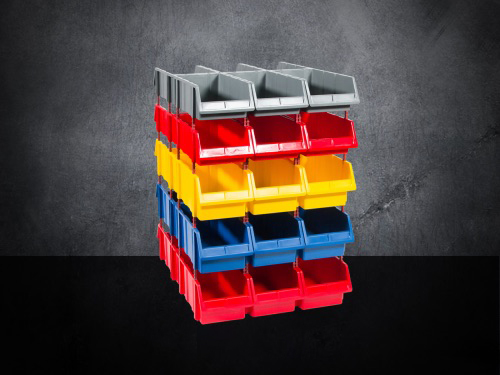

 Waste Management
 Cabinets
 Chemical & CoSHH Cabinets
  Hex Lighting
 Packaging
 Platform Trolleys
  Hand Trucks
  Pallet Trucks
  Plastic Pallets

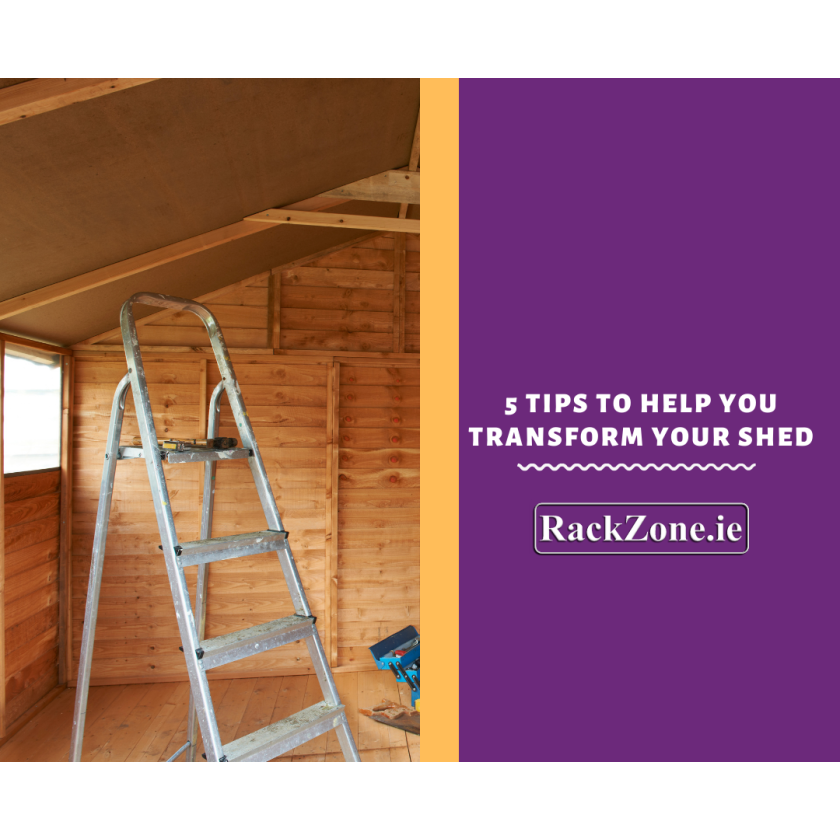
5 tips to help you Transform your Shed
Key Takeaways:
- Disorganised sheds waste time, damage tools and create safety hazards that proper organisation can prevent.
- Metal shelving with grated surfaces provides the structural foundation for effective shed storage systems.
- Storage containers with lids and labels control small items and maximise vertical space utilisation.
- Slatwall panels revolutionise vertical storage by eliminating floor clutter with customisable configurations.
- Tilt bins and systematic hardware organisation prevent small parts from disappearing in shed clutter.
- Pegboard tool hangers with shadow boards provide visual tool storage and instant identification.
- Regular quarterly maintenance and the 'one in, one out' rule sustain organised shed systems indefinitely.
Your shed doesn't need to be a chaotic dumping ground for forgotten tools, old toys and seasonal decorations. Transforming your shed into an organised, functional storage space saves time searching for equipment, protects valuable tools from damage and maximises usable square footage. Strategic storage solutions convert cluttered sheds into efficient workshops, organised garden centres or properly maintained equipment storage that actually serves your needs.
Why Does Shed Organisation Matter for Your Storage Space?
Disorganised sheds waste your time every time you need something. Searching through piles of unsorted equipment adds unnecessary time to simple tasks. Tools left lying on floors deteriorate faster from moisture exposure and accidental damage. Garden equipment stored haphazardly develops rust, dulled blades and mechanical problems requiring expensive repairs or replacement.
Proper shed organisation protects your investment. Quality tools, seasonal equipment and garden machinery represent significant financial value. Organised storage extends equipment lifespan significantly compared to items left in random piles. Protection from moisture, impacts and dirt preserves functionality and appearance.
Safety improves dramatically in organised sheds. Tripping hazards from scattered tools cause preventable injuries. Sharp implements stored properly reduces cut risks. Heavy items positioned correctly prevent crushing accidents. Clear pathways enable quick emergency exits if needed.
Shed Storage Organisation Benefits
| Benefit Category | Disorganised Shed | Organised Shed |
| Time Efficiency | Extended searching time per task | Instant item location |
| Equipment Lifespan | Standard lifespan | Significantly extended lifespan |
| Safety Level | High tripping/injury risk | Clear pathways, reduced hazards |
| Space Use | Wasted floor space | Maximum vertical and floor space |
| Tool Condition | Rust, damage, deterioration | Protected from moisture and damage |
| Maintenance Costs | Frequent repairs/replacements | Minimal maintenance needed |
Tip 1: What Type of Shelving Should You Install in Your Shed?
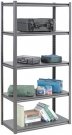
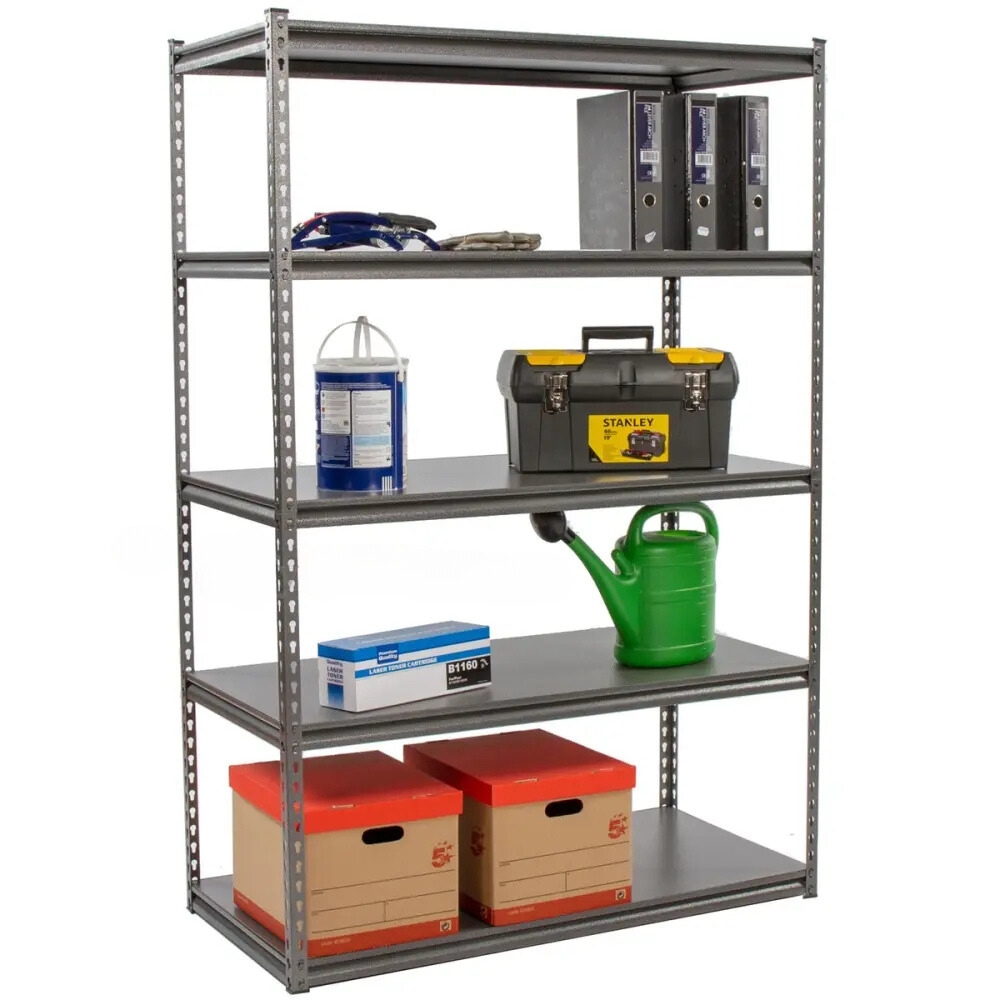
Metal shelving provides the structural backbone for shed organisation. Freestanding units adapt to your specific layout requirements without permanent wall modifications. Move shelving as storage needs evolve. Grated shelf surfaces allow dust and debris to fall through rather than accumulating on solid surfaces.
Select shelving based on your storage requirements. Heavy-duty units handle power tools, paint cans, and equipment with substantial weight capacity per shelf. Standard configurations suit lighter items: hand tools, gardening supplies and seasonal decorations. Adjustable shelf heights accommodate items of varying dimensions.
Position shelving strategically throughout your shed. Place frequently accessed items at waist height for convenient retrieval. Store seasonal equipment on higher shelves, bringing it down only when needed. Reserve lower shelves for heavy, bulky items difficult to lift repeatedly.
Install garage shelving perpendicular to walls, creating defined zones for different item categories. Designate specific shelving units for garden tools, power equipment, sporting goods or household storage. Categorical organisation reduces search time and maintains systematic order.
Choosing the Right Storage Solution for Your Shed
| Storage Type | Best For | Adjustability | Mobility |
| Metal Shelving | Heavy items, bulk storage | Adjustable heights | Fixed or mobile |
| Storage Containers | Small items, seasonal goods | Stackable | Highly mobile |
| Slatwall Panels | Tools, equipment | Fully reconfigurable | Wall-mounted |
| Tilt Bins | Hardware, fasteners | Fixed compartments | Wall or mobile |
| Pegboard | Hand tools | Repositionable hooks | Wall-mounted |
Tip 2: How Can Storage Containers Help Organise Your Shed?
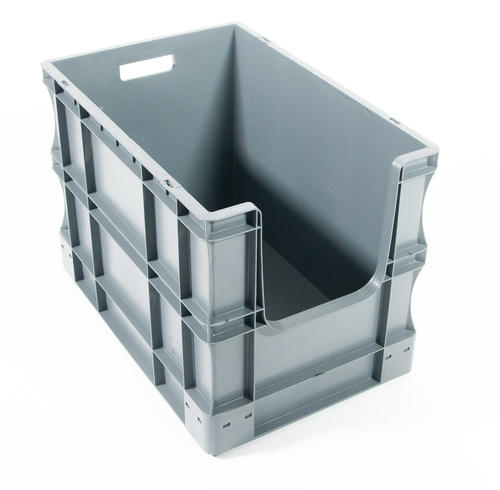
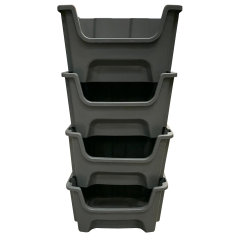
Storage containers with lids contain loose items that otherwise scatter across shed floors and shelves. Transparent containers enable quick visual identification without opening each box. Stackable designs maximise vertical space use, particularly important in compact sheds with limited floor area.
Implement a labelling system eliminating guesswork. Mark each container clearly: 'Plumbing Supplies', 'Holiday Decorations', 'Camping Equipment', 'Garden Hand Tools'. Precise labels save time every time you need specific items. Update labels as contents change to maintain accuracy.
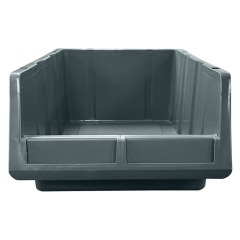
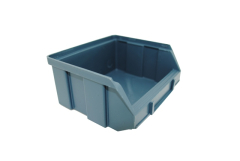
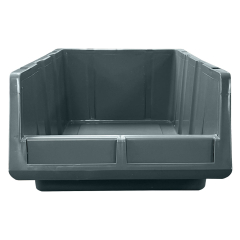
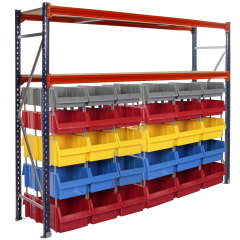
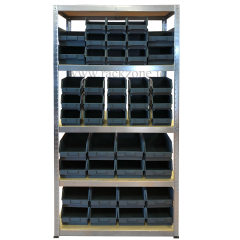
Parts bins excel for hardware organisation: screws, nails, bolts, washers and small fasteners. Mount bins on shelving units or walls for instant accessibility. Colour-coded bins separate different fastener types. Clear fronts display contents without opening individual compartments.
Size containers appropriately for their contents. Oversized containers waste shelf space and create shifting during transport. Undersized containers force cramming, damaging contents and preventing proper lid closure. Match container dimensions to stored item requirements.
Stack containers systematically. Place frequently accessed boxes at eye level. Store seasonal items requiring occasional access on higher shelves. Reserve floor-level containers for heavy, infrequently needed equipment. Consistent stacking patterns prevent toppling and facilitate quick location.
Tip 3: How Do You Maximize Wall Space in Your Shed?
Slatwall panels revolutionise vertical storage by eliminating floor clutter. These grooved panels accept various hooks, brackets and accessories, creating customisable storage configurations matching your specific equipment. Reconfigure easily as tool collections change without drilling new mounting holes.
Install slatwall at heights optimising accessibility. Position panels between waist and shoulder height for frequently used tools. Extend panels to near-ceiling height for less-accessed items. Leave adequate clearance above workbenches, avoiding head strikes when standing.
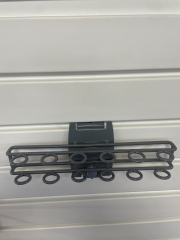
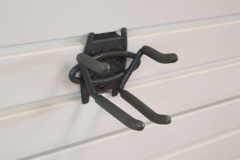
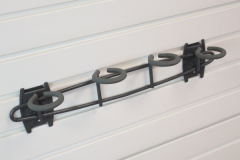
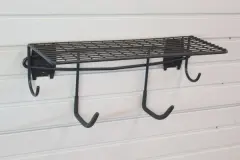
Select appropriate slatwall accessories for different equipment types. Single-prong hooks hold hammers, mallets and hand tools. Double-prong designs support heavier items: power drills, electric trimmers and compound tools. Specialised racks accommodate garden hoses, fishing rods, and sporting equipment.
Tool organisers integrate with slatwall systems, creating comprehensive storage. Modular tool boxes mount directly to slat panels. Wall-mounted organisers keep frequently used implements within arm's reach. Combine multiple accessory types, creating zones for different work activities.
Configure slatwall by usage frequency and task grouping. Position gardening implements together: trowels, pruners, gloves and hand rakes. Create power tool stations with drills, sanders and associated accessories. Establish seasonal sports equipment areas, consolidating related gear.
Tip 4: What's the Best Way to Organise Small Parts in Your Shed?
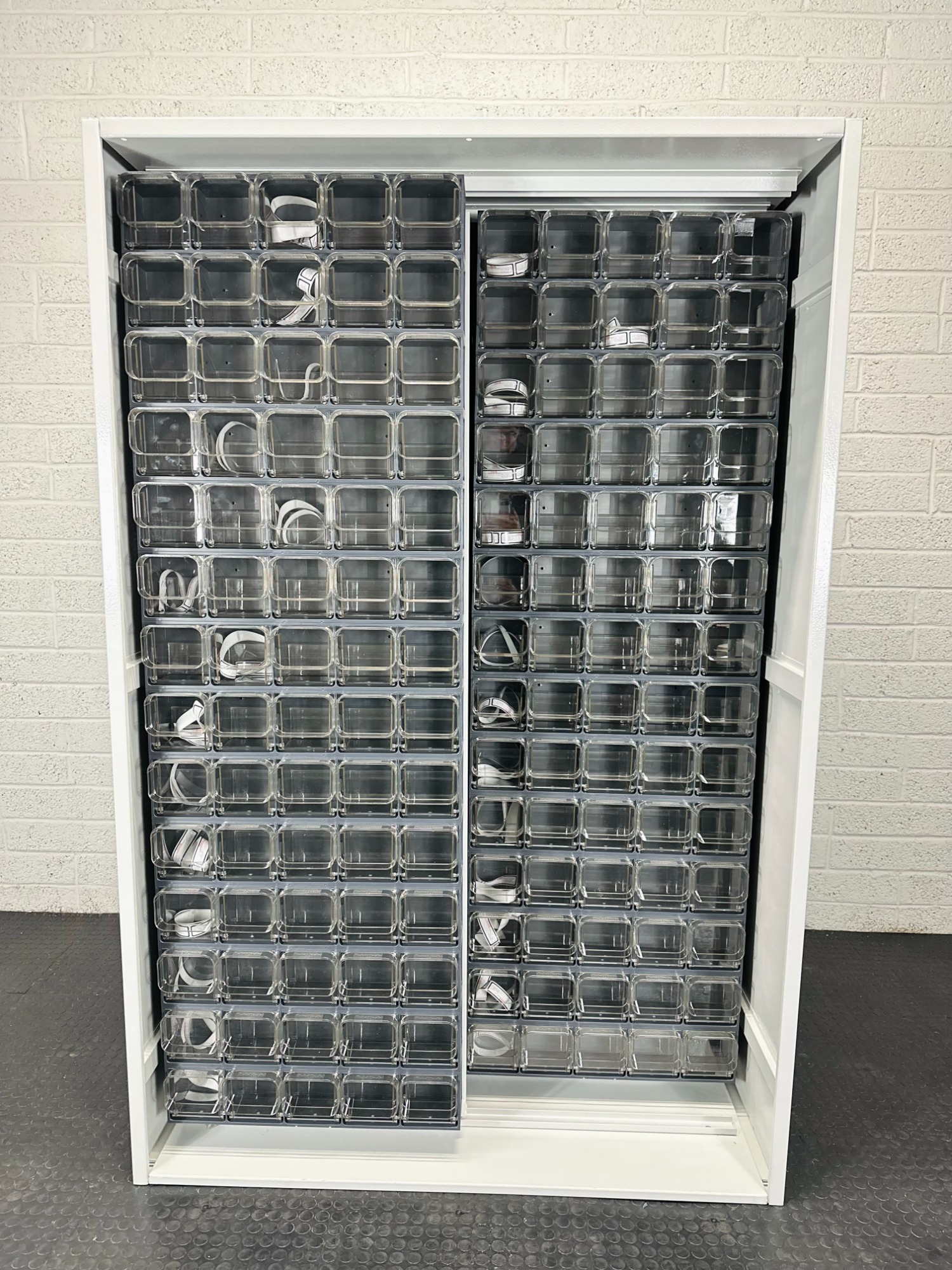
Small fasteners, electrical components, and hardware accessories disappear easily in shed clutter. Tilt bins solve this problem through visible, accessible, compartmentalised storage. Transparent fronts display contents immediately. Tilting mechanisms provide angled access to bin contents without removing entire containers.
Wall-mount tilt bin systems near workbenches or frequently used areas. Immediate access to screws, nails, and fasteners eliminates trips across sheds mid-project. Group related hardware: wood screws in adjacent bins by size, machine screws separately, nails categorised by length and head type.
Label every compartment clearly. Generic labels like 'Screws' prove useless when you need specific "#8 x 1½ inch wood screws." Precise labelling: fastener type, size, material and intended application. Update labels as inventory changes, maintaining accuracy.
Consider mobile tilt bin systems for flexibility. Wheeled units transport hardware collections to work locations. Return systems to standard storage positions after project completion. Mobility particularly benefits large sheds where carrying individual fasteners repeatedly wastes time.
Maintain inventory discipline. Return unused fasteners to the correct bins immediately after projects. Resist creating 'miscellaneous' bins that become jumbled messes. Sort new hardware upon acquisition rather than accumulating sorting backlogs.
Tip 5: How Can Pegboard Improve Tool Storage in Your Shed?
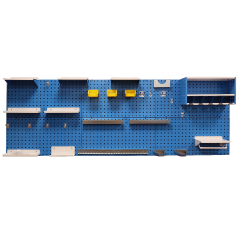
Pegboard tool hangers provide flexible, visual tool storage. Outline each tool's position with a marker or paint, creating 'shadow boards'. Missing tools become instantly obvious. Tools return to designated locations automatically through visual cueing rather than memory.
Mount the pegboard at ergonomic heights. Position frequently used tools at easy reach without stretching or bending. Reserve higher positions for occasionally needed implements. Lower sections can hold heavier tools with substantial hooks, preventing stress on the upper body during retrieval.
Select appropriate hook styles for different tools. J-hooks support hammers, screwdrivers, and wrenches. Double-prong designs hold larger implements: levels, squares and saws. Specialised hangers accommodate specific equipment: pliers, tape measures and scissors.
Organise the pegboard by tool function rather than size. Group cutting tools: saws, shears, utility knives. Cluster measuring implements: tape measures, squares and levels. Consolidate striking tools: hammers, mallets, pry bars. Functional grouping supports task-based retrieval.
Combine a pegboard with small shelves for comprehensive storage. Mount shallow shelves below pegboard sections holding related supplies: sandpaper near sanders, drill bits near drills, saw blades near saws. Integrated storage keeps complete tool sets together.
How Do You Maintain an Organised Shed Long-Term?
Organisation requires ongoing maintenance. Schedule quarterly reviews assessing whether current arrangements still serve your needs. Seasonal transitions present natural opportunities: prepare gardening zones for spring, reorganise winter equipment storage.
Implement the 'one in, one out' rule. Adding new tools or equipment triggers an evaluation of existing inventory. Donate, sell, or discard items no longer serving useful purposes. Preventing accumulation maintains organised systems indefinitely.
Clean shelving, containers, and wall systems during seasonal reviews. Remove accumulated dust and debris. Check for moisture damage requiring attention. Verify structural integrity of shelving and mounting systems. Preventive maintenance extends the storage system's lifespan.
Adapt organisation as needs evolve. New hobbies require dedicated storage areas. Children outgrow toys freeing space for different purposes. Retired equipment creates opportunities for improved organisation of remaining items. Flexibility ensures continued functionality.
Where Can You Find Quality Shed Storage Solutions?
Effective shed transformation requires quality storage components designed for demanding conditions. Shelving units must withstand temperature fluctuations, humidity exposure and regular use. Inferior systems deteriorate quickly, requiring replacement and reorganisation.
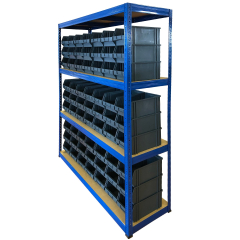
RackZone supplies robust storage solutions built for sheds, garages, and workshops. Our storage containers and boxes protect contents from moisture and damage. Modular bin rack systems create flexible storage configurations matching your specific requirements.
With next-business-day delivery across Ireland when you order before 3pm, transform your shed quickly. Our technical team provides guidance on optimal storage configurations for your space dimensions and storage needs.
Ready to reclaim your shed from chaos? Browse our comprehensive range of storage and organisation solutions or contact our specialists for personalised recommendations. Call +353 (0)90 9673261 to discuss your shed transformation project and discover how proper storage solutions create functional, organised spaces you'll actually enjoy using.
Frequently Asked Questions
What is the best type of shelving for garden sheds?
How do I protect tools from rust in my shed?
What storage containers work best for shed organisation?
How can I maximise storage in a small shed?
How often should I reorganise my shed?

Ciaran Duffy
Director
Ciaran is a seasoned storage solutions expert and Director at RackZone, with over 10 years of experience providing high quality shelving, pallet racking, and storage systems to private and commercial clients across Ireland and the UK. His deep understanding of warehouse logistics and space optimisation makes him a trusted voice in the industry. Whether advising on large-scale industrial fit-outs or smart storage for small businesses, Ciaran is passionate about helping clients find efficient, durable, and cost-effective solutions. His expertise lies in warehouse planning, racking systems, and end to end storage project management.