

 Value Shelving
  Chrome Shelving
 Warehouse Shelving
 Industrial Shelving
 Garage Shelving
 Metal Shelving
  Plastic Shelving
 HORECA
 Galvanised Shelving
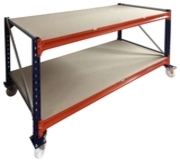 Industrial Workbench
  Value Workbench
  Modular Workstations
 Matting
  Metal Lockers & Benches
 Office
  Slatwall
  Cabinets
 Plastic Lockers
 Lean Products
 Mobile Steps
 Wall-Zone
 Longspan Racking
  Cantilever Racking
 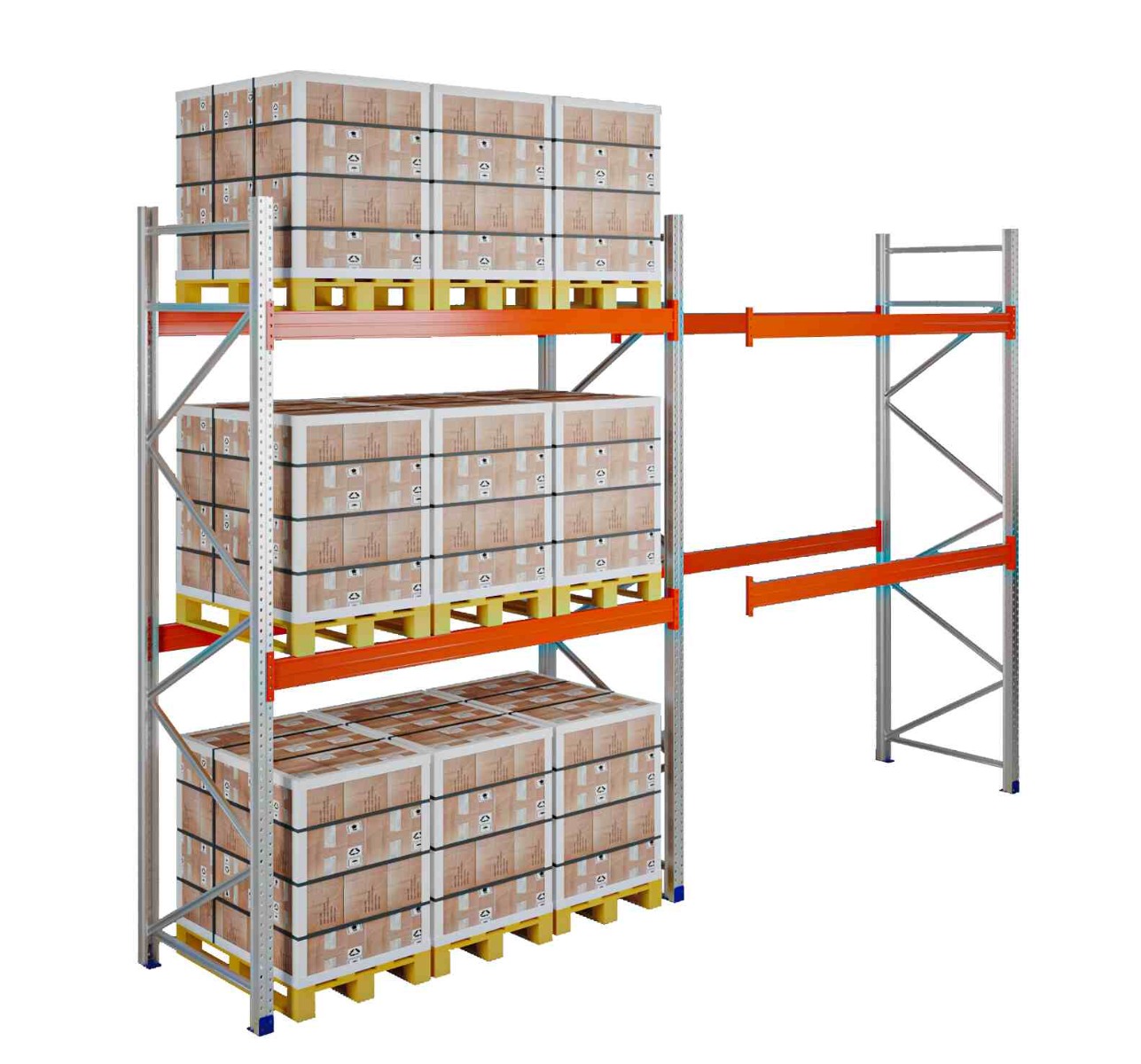 Industrial Pallet Racking
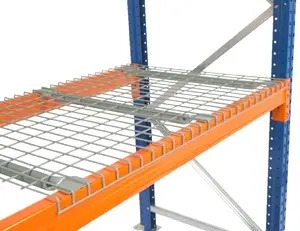 Wire Mesh Decking
 Tyre Racking
 Vertical Storage
 Racking Accessories
 Up & Over Gates
 Containers & Boxes
  Louvre Panels
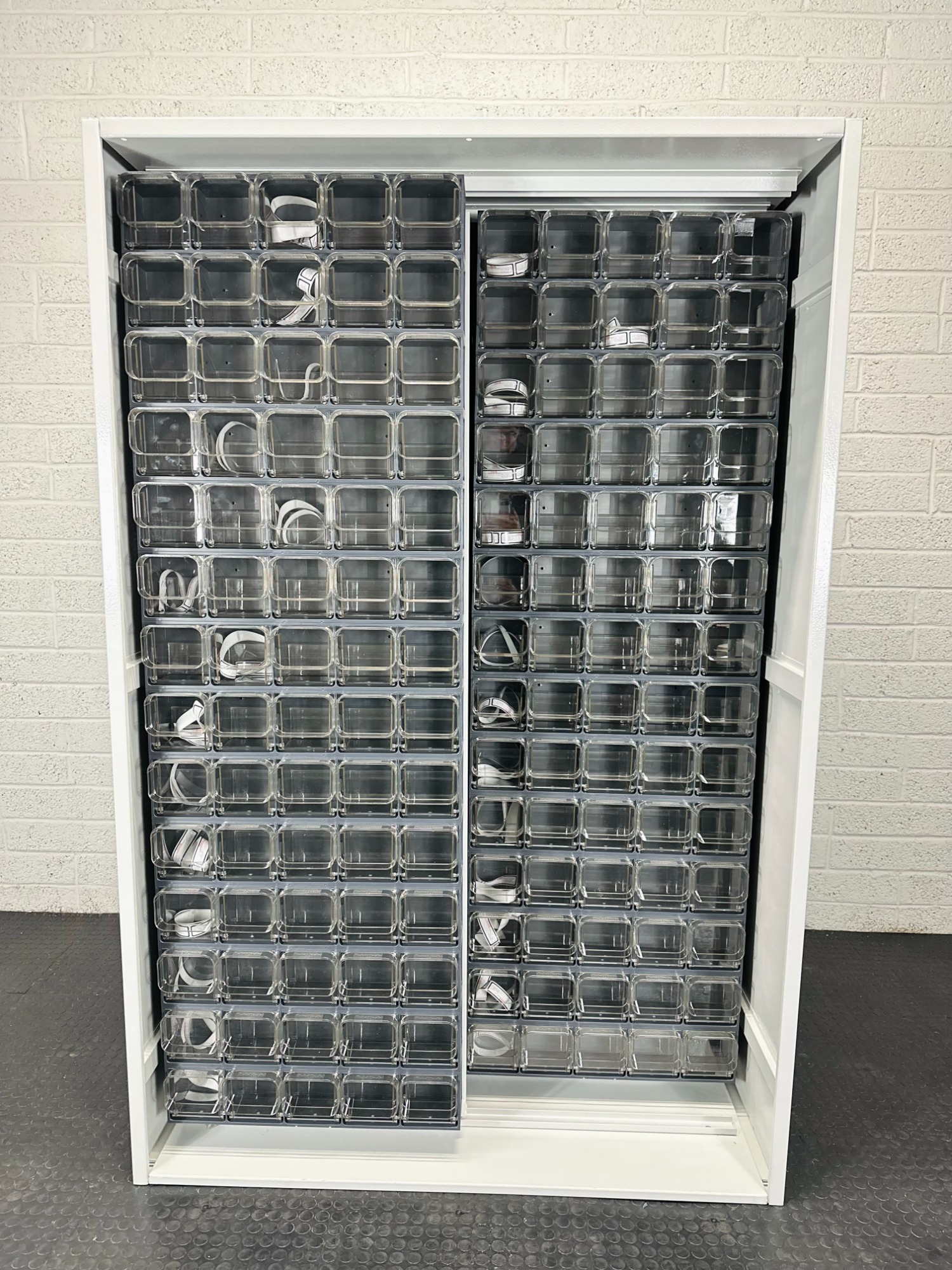 Crystal Box Systems
 Parts Bins
  Euro Containers
 Visible Storage Boxes
  Foldable Crates
 Shelf Bin
 Tool Organiser

 Waste Management
 Cabinets
 Chemical & CoSHH Cabinets
  Hex Lighting
 Packaging
 Platform Trolleys
  Hand Trucks
  Pallet Trucks
  Plastic Pallets

What Are the Most Common Warehouse Safety Hazards and How Can You Prevent Them?
Key Takeaways:
- Slips, trips and falls account for a significant proportion of warehouse injuries, requiring systematic floor maintenance and clear pedestrian routes.
- Forklift and vehicle collisions demand comprehensive operator training, speed limits and segregated traffic zones.
- Falling objects from overloaded or damaged racking systems require strict load capacity adherence and monthly inspections.
- Manual handling injuries can be reduced through mechanical assistance equipment and proper lifting technique training.
- Inadequate PPE leaves workers vulnerable to preventable crush injuries, visibility issues, and falling object hazards.
- Hazardous material storage violations risk fire, toxic exposure and environmental contamination without compliant storage cabinets.
- Poor housekeeping creates cascading safety hazards including blocked emergency exits and congested evacuation routes.
Warehouse environments are inherently hazardous. Heavy machinery, high-stacked inventory, constant movement and time pressures create conditions where serious injuries occur with frightening regularity. Understanding common safety hazards and implementing rigorous prevention measures isn't just regulatory compliance, it's a fundamental operational responsibility that directly impacts worker welfare, productivity and your bottom line.
How Can You Prevent Slips, Trips and Falls in Warehouses?
Slip and fall accidents account for a substantial proportion of warehouse injuries and lost-time incidents. Floor cleanliness isn't optional housekeeping; it's critical safety infrastructure. Spilt liquids, packaging debris, pallet fragments and dust accumulation transform smooth surfaces into hazardous walking areas.
Prevention demands systematic cleanliness protocols:
- Designate floor maintenance responsibilities for each shift
- Implement hourly inspection sweeps in high-traffic zones
- Establish immediate spill response procedures
- Mark pedestrian routes clearly with high-visibility floor tape
- Maintain separation from material handling zones
Storage containers properly secured and bin racks systematically organised prevent loose items from migrating onto walkways.
Lighting quality profoundly affects fall prevention. Inadequate illumination conceals floor hazards and impairs depth perception, particularly in high-bay facilities where shadows create dangerous blind spots. Install sufficient overhead lighting throughout the facility, supplemented with task lighting at workstations and in storage aisles.
What Causes Forklift and Vehicle Collisions in Warehouses?
Material handling equipment operates constantly in confined spaces, creating persistent collision risks between machinery, racking structures and personnel. Forklift accidents can result in serious consequences: crushed pedestrians, collapsed racking, destroyed inventory and facility downtime.
Comprehensive operator training requirements include:
- Load capacity calculations and weight distribution
- Safe operating speeds for different warehouse zones
- Visibility management techniques for blind spots
- Emergency procedure protocols and response
- Regular refresher training
Institute strict speed limits throughout the facility, with reduced speeds near intersections, pedestrian crossings and storage areas.
Segregate pedestrian and vehicle traffic ruthlessly:
- Paint clearly defined walkways
- Install physical barriers at transition points
- Position mirrors at blind corners
- Implement one-way traffic patterns where feasible
- Consider proximity warning systems for high-traffic zones
Racking accessories like column protectors absorb forklift impacts that would otherwise damage structural uprights. Frame protectors shield vulnerable base plates and lower legs from backing impacts. These protective components maintain structural integrity, preventing gradual degradation that compromises load capacity and safety.
How Do You Prevent Falling Objects from Warehouse Racking?
Inadequately secured loads, overloaded shelving and improper stacking create overhead hazards where objects can fall. Falling objects from height carry significant kinetic energy and can cause serious injuries. Smaller items cascading from upper levels can cause head injuries even when individually lightweight.
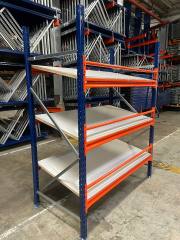
Never exceed rated load capacities for any storage system. Each longspan shelving unit and industrial pallet racking beam has specific uniformly distributed load (UDL) ratings. Display load capacity signage prominently on every racking bay, ensuring all staff understand maximum weights per level and per bay.
Wire mesh decking prevents small items from falling through beam levels, creating a solid supporting surface for non-palletised goods. The open mesh design maintains fire safety compliance by allowing sprinkler penetration. Install mesh decking as standard across all installations, not as an afterthought.
Racking Inspection Schedule
| Inspection Type | Frequency | Performed By | Key Checkpoints |
| Visual Damage Check | Monthly | Internal technically competent staff | Bent uprights, displaced beams, cracks in base plates, loose connections |
| Comprehensive Structural Assessment | Annually | External expert inspectors | Load capacity verification, compliance standards, structural integrity |
| Post-Impact Inspection | Immediately after any collision | Warehouse supervisor | Damage extent, load redistribution needs, repair requirements |
| Load Capacity Audit | Quarterly | Warehouse manager | Signage accuracy, weight compliance, overloading prevention |
Inspect racking systems regularly for damage indicators: bent uprights, displaced beams, cracks in base plates or loose connections. Document inspection findings systematically. Address structural damage immediately, unloading affected bays until repairs are complete. The Irish Health and Safety Authority (HSA) provides guidance on racking inspection requirements, recommending that expert inspections be conducted by competent external inspectors in addition to internal checks.
What Are the Best Ways to Reduce Manual Handling Injuries?
Manual material handling can result in musculoskeletal disorders from repetitive strain, acute injuries from sudden loads and cumulative damage from poor ergonomics. Back injuries, shoulder strain and repetitive stress injuries account for substantial workplace injury claims and reduced workforce capacity.
Mechanical assistance eliminates most manual lifting requirements:
- Material handling equipment like pallet trucks move loads safely
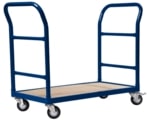
- Platform trolleys handle bulky items without manual lifting
- Hand trucks transport boxes and crates efficiently
- Stock equipment throughout the facility at convenient access points
Where manual lifting remains unavoidable, proper technique training reduces injury rates:
- Emphasise leg strength over back strain
- Maintain loads close to the body
- Avoid twisting motions during lifts
- Recognise team lift thresholds
- Never lift beyond comfortable capacity
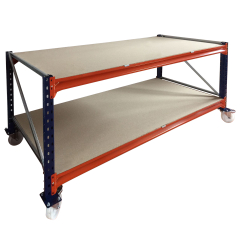
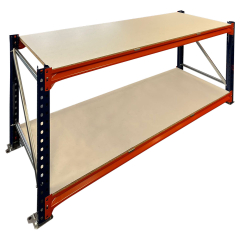
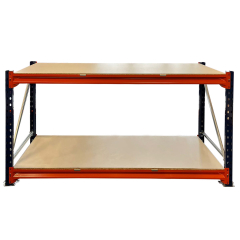
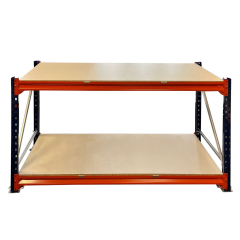
Industrial workbenches positioned at appropriate heights eliminate excessive bending during order picking and packing operations.
Implement task rotation to prevent repetitive strain accumulation. Staff performing continuous heavy lifting, repetitive reaching or sustained awkward postures require regular task variation. Monitor injury reports for patterns indicating specific tasks requiring ergonomic reassessment or equipment intervention.
Why Is Personal Protective Equipment Critical in Warehouses?
PPE represents the final defence layer when engineering controls and administrative measures cannot eliminate hazards. Many serious injuries could have been prevented or substantially mitigated through proper PPE usage and enforcement.
PPE Requirements by Warehouse Zone
| Warehouse Zone | Steel-Toe Boots | High-Vis Vest | Hard Hat | Safety Gloves | Eye Protection |
| Loading Dock | Required | Required | Required | Required | Recommended |
| High-Bay Storage Areas | Required | Required | Required | Recommended | Recommended |
| Forklift Operating Zones | Required | Required | Required | Task-specific | Not Required |
| Order Picking Aisles | Required | Required | Not Required | Required | Not Required |
| Packing Stations | Required | Recommended | Not Required | Required | Not Required |
| Chemical Storage Areas | Required | Required | Required | Chemical-resistant | Required |
Mandatory PPE in warehouse environments includes:
- Steel-toe safety boots protecting against crush injuries from dropped loads or vehicle strikes
- High-visibility vests ensuring worker visibility to forklift operators and equipment users
- Hard hats protecting against falling objects in areas with overhead storage
- Safety gloves appropriate to the task preventing cuts, abrasions and chemical exposure
Establish clear PPE requirements for different warehouse zones. High-traffic material handling areas demand full PPE, including hard hats and high-vis clothing. Quieter order picking zones might require only safety footwear and gloves. Post signage at zone boundaries indicating required equipment.
Enforce PPE compliance consistently:
- Conduct regular spot checks
- Hold supervisors accountable for team compliance
- Document violations with corrective action plans
- Supply adequate quantities of correct-size equipment
- Replace worn or damaged items promptly
Staff won't wear uncomfortable, poorly fitting or damaged PPE regardless of policy.
How Should You Store Hazardous Materials Safely?
Improper chemical storage creates fire risks, toxic exposure hazards and environmental contamination scenarios. Incompatible substances stored adjacent can react if containers fail. Unlabelled containers become hazards during emergencies.
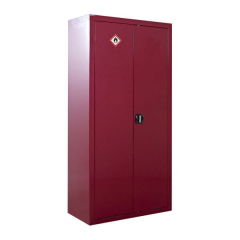
Chemical storage cabinets meeting appropriate safety regulations provide compliant containment for corrosive chemicals, flammable liquids and toxic substances. In Northern Ireland, COSHH (Control of Substances Hazardous to Health) regulations apply. In the Republic of Ireland, the Safety, Health and Welfare at Work (Chemical Agents) Regulations apply. Double-wall construction with leak-proof sumps contains spills. Ventilation systems prevent vapour accumulation.
Chemical segregation requirements:
- Separate acids from bases to prevent neutralisation reactions
- Keep oxidisers away from flammables
- Isolate water-reactive substances from potential water contact
- Store compressed gases separately from flammable materials
- Maintain incompatible materials in separate cabinets or zones
Label all containers clearly with contents, hazard symbols and date of receipt. Maintain Safety Data Sheets (SDS) accessible to all staff, preferably in both physical and digital formats.
Train employees on specific hazards associated with materials they handle. Generic chemical safety training is insufficient; staff require specific instruction on the particular substances in your facility, their hazards, safe handling procedures and emergency response protocols.
Why Does Poor Housekeeping Create Warehouse Safety Hazards?
Accumulated clutter isn't just untidy; it creates cascading safety hazards. Congested aisles impede emergency evacuation, obstruct fire suppression equipment access and force unsafe workarounds. Stored materials blocking emergency exits violate fundamental fire safety requirements.
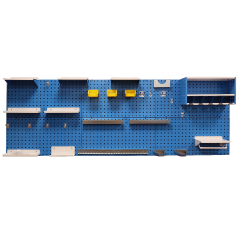
Implement systematic organisation using warehouse shelving and storage organisation products. Everything requires a designated location. Items without proper storage homes accumulate on floors, in corners and across exit routes. Use parts bins for small components, preventing loose hardware scattered across work surfaces.
Daily housekeeping protocols include:
- End-of-shift cleaning routines where staff clear immediate work areas
- Tool return procedures ensuring equipment goes to designated locations
- Packaging waste disposal with clearly marked recycling and waste bins
- Weekly deep cleans addressing areas beyond daily maintenance scope
- Quarterly organisation audits identifying storage system deficiencies
Maintain emergency exits and evacuation routes absolutely clear at all times:
- Mark exit paths with contrasting floor colours or paint
- Install illuminated exit signage visible during power failures
- Conduct regular evacuation drills
- Ensure staff know primary and alternate evacuation routes
- Keep fire extinguishers and emergency equipment accessible
Partner with RackZone for Safer Warehouse Operations
Warehouse safety requires properly specified, professionally installed storage infrastructure combined with rigorous operational procedures. We supply safety-focused pallet racking systems, protective accessories and comprehensive storage solutions backed by technical expertise and nationwide installation services across Ireland.
Our team understands Irish HSA requirements and can advise on compliant configurations for your facility. Order before 3 pm for next-business-day delivery throughout Ireland. Contact us on +353 (0)90 9673261 or email info@rackzone.ie to discuss your warehouse safety requirements.
Frequently Asked Questions (FAQs)
What are the most common warehouse safety hazards?
How often should warehouse racking be inspected for safety?
What PPE is required in warehouse environments?
How can forklift accidents be prevented in warehouses?
Why is proper chemical storage important in warehouses?

Ciaran Duffy
Director
Ciaran is a seasoned storage solutions expert and Director at RackZone, with over 10 years of experience providing high quality shelving, pallet racking, and storage systems to private and commercial clients across Ireland and the UK. His deep understanding of warehouse logistics and space optimisation makes him a trusted voice in the industry. Whether advising on large-scale industrial fit-outs or smart storage for small businesses, Ciaran is passionate about helping clients find efficient, durable, and cost-effective solutions. His expertise lies in warehouse planning, racking systems, and end to end storage project management.